
REVIEW · TIRAMISU CLASSES
Rome: Pasta and Tiramisu Class at a Local’s Home
Fresh pasta tastes different when you roll it yourself at a family table. In this three-hour class, a local Cesarina host guides you through hand-rolled sfoglia, two pasta dishes, and tiramisu, then serves the meal with wine, water, coffee, prosecco, and small aperitivo snacks.
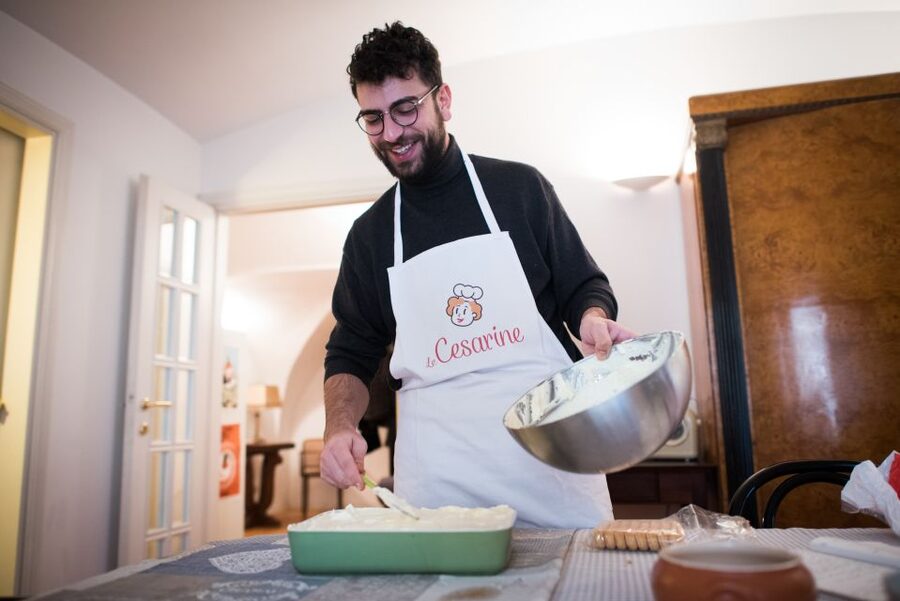
I like the home setting, which gives the class a warmer feel than a standard school kitchen. I also like the practical menu: you learn two pasta shapes or recipes, not just one, and finish with tiramisu, so you leave with a full Italian meal under your belt.
The main consideration is the private address. You receive it only after booking, and one class may take you away from central Rome, so allow time to reach the home and confirm the route before your cooking day.
Key points to know before you book
- Three hands-on hours: Roll fresh pasta by hand, prepare two pasta recipes, make tiramisu, and eat the results.
- A real home kitchen: Your Cesarina host welcomes you into a private home rather than a commercial cooking studio.
- Hosts with names and warmth: Giovanni and Martina have taught families together, while Claudia has hosted a memorable class outside central Rome.
- A complete Italian table: Prosecco and nibbles begin the gathering, followed by pasta, tiramisu, wine, water, and coffee.
- Flexible timing: Classes usually begin at 10:00 AM or 5:00 PM, with other times possible by advance request.
- Good cancellation terms: You can cancel up to 24 hours ahead for a full refund, and reserve now while paying later.
Why this Roman cooking class feels different
Rome gives you no shortage of pasta restaurants, but a meal in a local home offers something a menu cannot. You see how a family cook handles dough, seasons a dish, and turns a few basic ingredients into lunch or dinner.
The Cesarine network connects home cooks throughout Italy. The word refers to a home cook, and the idea here is simple: local hosts open their kitchens, use family cookbook recipes, and share the food at their own table.
That setting matters. You are not only watching a chef demonstrate a dish from behind a counter. You are working with dough, asking questions, and spending time with an Italian family. The class also gives you a natural way to meet other people who care about food, without forcing a sightseeing schedule into your day.
The experience earns a high 4.8 rating from seven published ratings, with every supplied rating giving it five stars. That is a small sample, so I would not treat the number as scientific proof, but the same themes keep appearing: patient instruction, a friendly welcome, a relaxed meal, and strong appeal for families.
More Tiramisu Classes in Rome
- 3 in 1 Cooking Class near Navona: Fettuccine, Ravioli & Tiramisu
★ 5.0 · 7,376 reviews - Rome: Pasta & Tiramisu Class with Fine Wine by the Vatican
★ 4.9 · 4,852 reviews - Rome: 3-in-1 Fettuccine, Ravioli, and Tiramisu Cooking Class
★ 4.9 · 2,704 reviews
What happens when you arrive at the home
Your exact meeting point is the host’s private home. After booking, customer care sends the full address and the host’s mobile number by email. When you arrive, ring the doorbell, and your Cesarina host will welcome you inside.
This arrangement is personal, but it requires a little planning. You do not get a public meeting point that you can simply paste into your map weeks in advance. Check the address as soon as it arrives, look at the route from your hotel, and keep the host’s phone number handy.
The class takes place in Lazio, the region that includes Rome. One family described its time with Claudia as a welcome break from the rush of central Rome and a chance to spend time with a warm local family. That tells you something useful: the home may not be in the historic center, and the trip itself can become part of the experience.
Do not book this as a quick stop between the Colosseum and the Trevi Fountain. Give yourself enough time to reach the address without turning up late, especially for the evening class.
Prosecco and nibbles set the tone
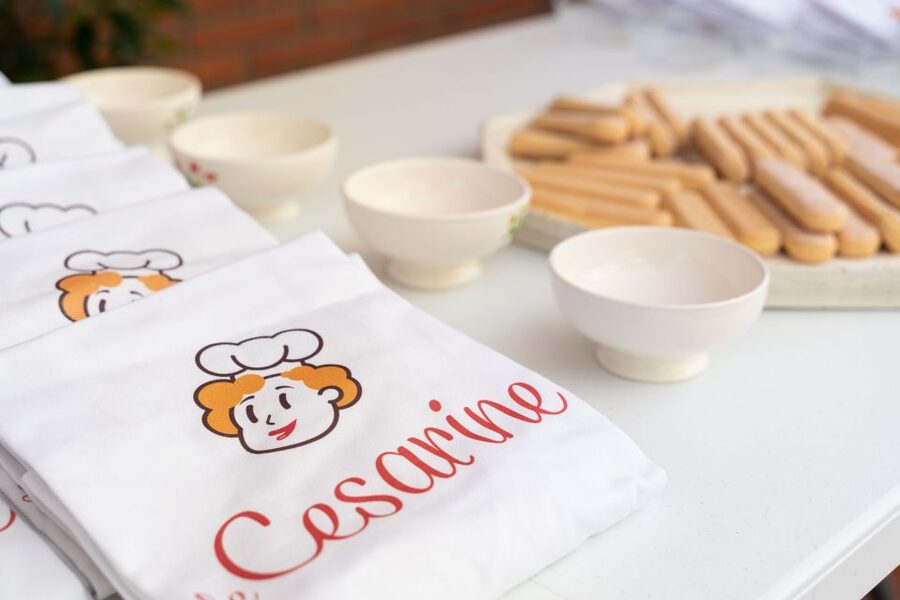
The gathering begins with an Italian aperitivo, including prosecco and small snacks. This is more than a drink before class. It gives you time to meet the host and the other people at the table before flour covers your hands.
Aperitivo is a social habit across Italy, and it helps the class feel less like a lesson and more like an invitation into a home. You can settle in, learn how the session will work, and start talking about food before the serious pasta work begins.
The included beverages continue through the meal. You receive water, wine, and coffee, along with the prosecco and nibbles. Since these are included in the $105 price, you are not paying separately for each drink once you sit down.
The available information does not give a fixed wine list or specify the exact snacks. Think of this as a welcoming start rather than a formal tasting. The focus remains on cooking and sharing the finished food.
Rolling sfoglia by hand
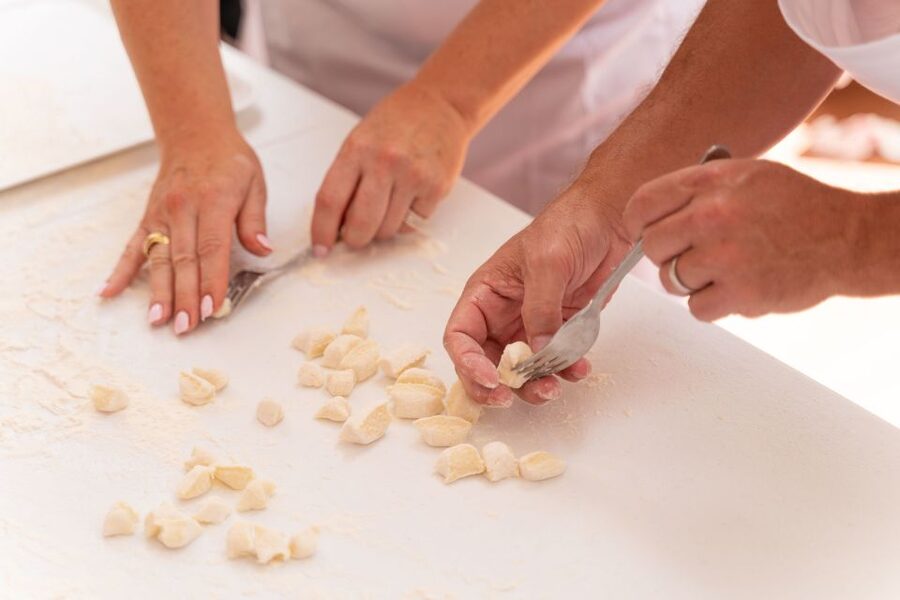
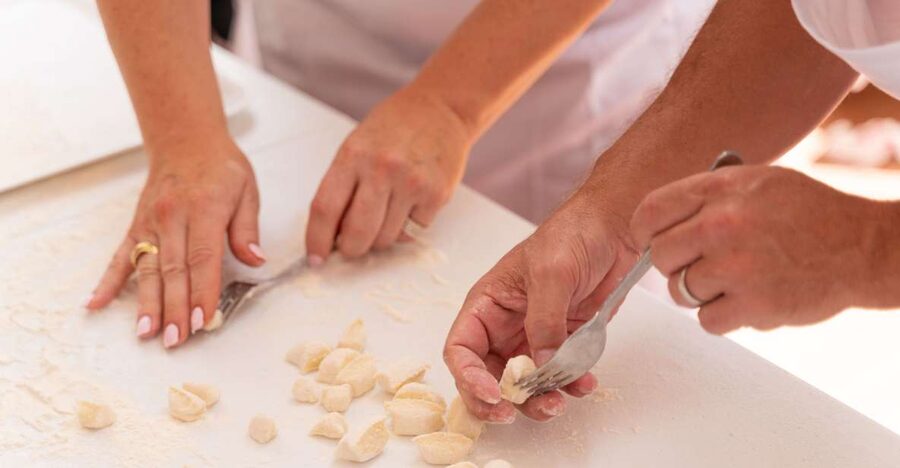
The central skill is making sfoglia, the sheet of fresh pasta rolled by hand. This is the part of the class that turns a plate of pasta into something you understand. You feel the dough change as it is worked, and you see how a flat sheet becomes the base for different dishes.
Your host demonstrates the method and then lets you work through it yourself. You should expect flour, hands-on practice, and correction as you go. The experience is designed for beginners, and the available information specifically describes the hosts as patient with children and families.
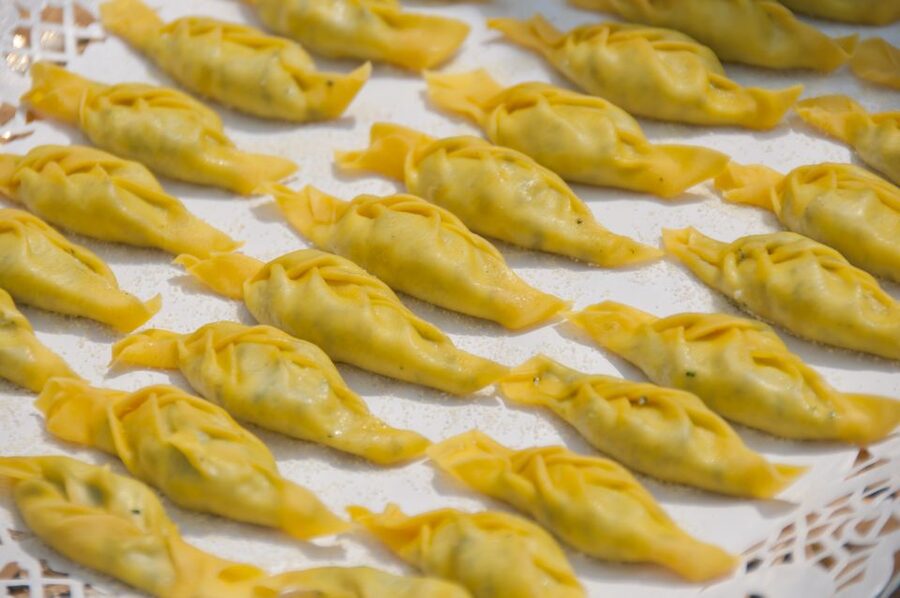
You then prepare two different pasta recipes from scratch. The exact recipes can vary by host, but the supplied examples include ravioli and fettuccine. That combination gives you two useful lessons: filled pasta requires one sort of care, while long ribbons call for another.
Ravioli can be especially satisfying because you see a simple sheet become a filled parcel. Fettuccine shows how to handle and cut a pasta sheet into long strands. You are not just copying a recipe card. You are learning the basic motions that you can repeat at home.
The class uses local recipes from family cookbooks. That phrase matters because it points to regional home cooking rather than a generic pasta demonstration. You may not learn every famous Roman sauce in one sitting, but you will get a practical connection to the way a family prepares pasta.
Same town, a different thing to roll out:
- Rome: Pasta Making Class with Wine, Limoncello, and Dessert
★ 4.9 · 3,177 reviews - Rome Cooking Class: Make Pasta and 3 Spritz Cocktails
★ 5.0 · 2,937 reviews - Rome: Fettuccine Pasta Cooking Class in Rome’s City Center
★ 4.8 · 2,414 reviews - Learn to Make Pasta & Tiramisu with Wine and Limoncello Included
★ 5.0 · 2,345 reviews
Tiramisu provides the sweet finish
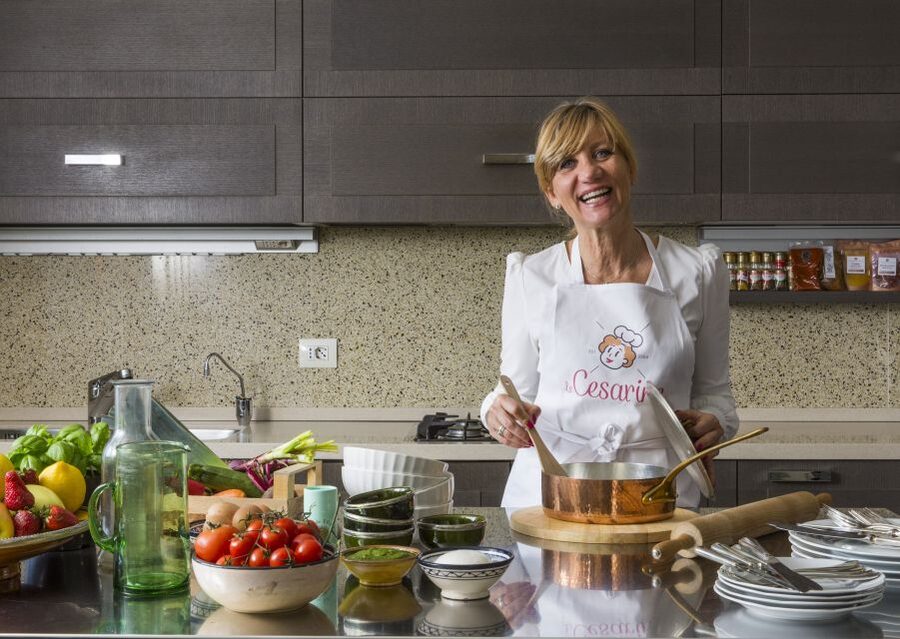
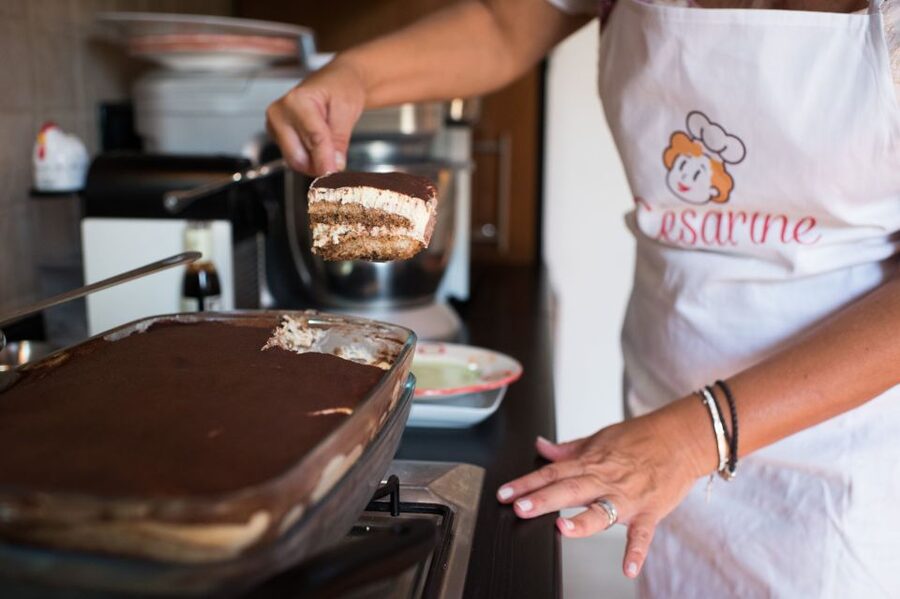
After the pasta, you make tiramisu. It is a sensible choice for this kind of class because the dessert rounds out the menu and gives you a second Italian staple to take home in your memory.
The supplied information does not give the exact tiramisu method or ingredient list, so do not expect a fixed, published formula in advance. Your host will teach the family version used for the session.
The timing also makes sense. Pasta gives you the main hands-on work, while tiramisu forms the dessert course for the meal that follows. By the time you sit down, you have prepared a starter to the evening, two pasta dishes, and dessert.
If you are booking mainly for pasta technique, tiramisu is a useful bonus rather than the main reason to choose the class. If you want a complete Italian cooking experience, it makes the three hours feel well filled.
Sitting down to eat what you made
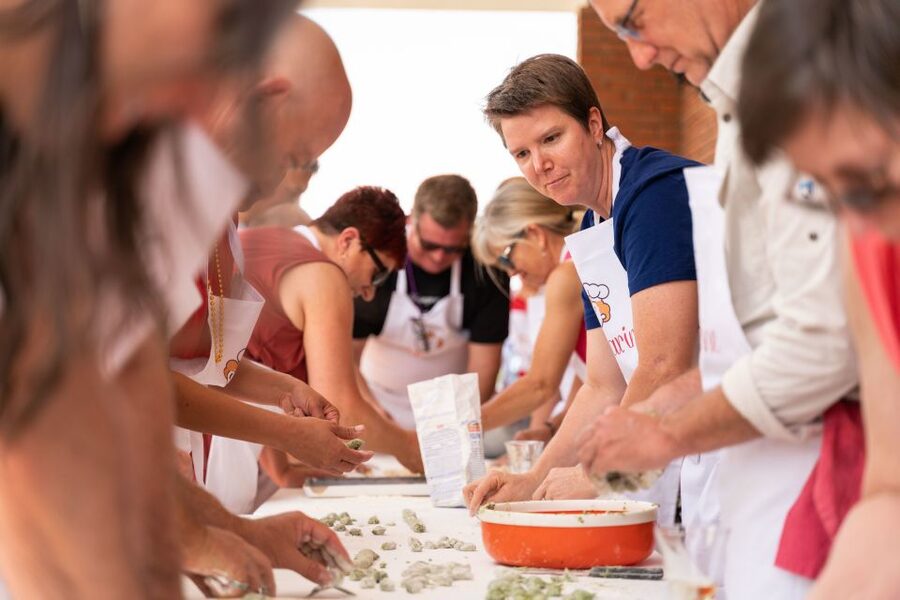
The best payoff comes at the table. You taste both pasta recipes and the tiramisu you prepared, with beverages included. This gives the class a clear arc: arrive, meet the host, cook, then share a meal.
One family described a carefully set table and a relaxed atmosphere after the cooking ended. That detail is worth noting because the meal is not an afterthought. The social part is built into the experience.
I like this format because it lets you judge the results while the lesson is still fresh. You can ask why the dough turned out a certain way, compare the two pasta preparations, and remember the steps through taste instead of notes alone.
It also suits families well. Jo Ann’s three daughters received patient explanations from Giovanni and Martina, and another family learned ravioli, fettuccine, and tiramisu with the same hosts. Children who enjoy making things with their hands should find plenty to do, although the class still requires attention around a working kitchen.
The hosts make the atmosphere matter
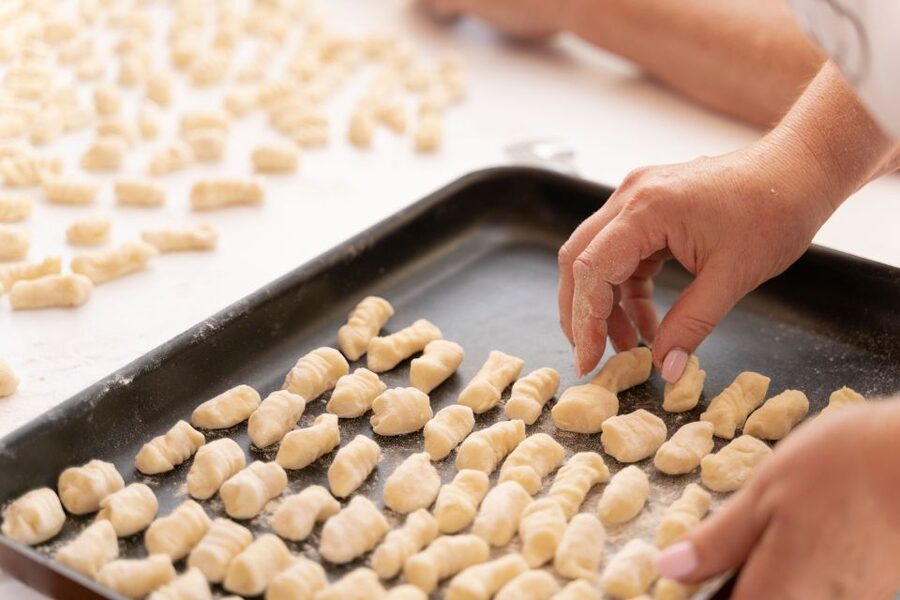
The hosts are the heart of this experience. Giovanni and Martina are specifically connected with family classes that included clear explanations, patience, and a welcoming meal. Claudia hosted a group outside central Rome and helped turn the trip from downtown into a calm afternoon or evening with a local family.
You should not assume that every booking will have one of those three hosts. Cesarine connects you with home cooks in more than 500 Italian cities, and your assigned host depends on availability. Still, the named examples give you a useful picture of the tone to expect: friendly instruction, conversation, and food served at home.
The teaching language is Italian and English. If your Italian is limited, English instruction is available. If you speak some Italian, the kitchen setting gives you an easy chance to use it without the pressure of a formal language class.
The small-group format also helps. The exact number is not given, so I would not promise an intimate table of a particular size. But this is not described as a large demonstration. You are meant to work with the host and share the cooking with a handful of other food-minded people.
Is $105 a fair price?
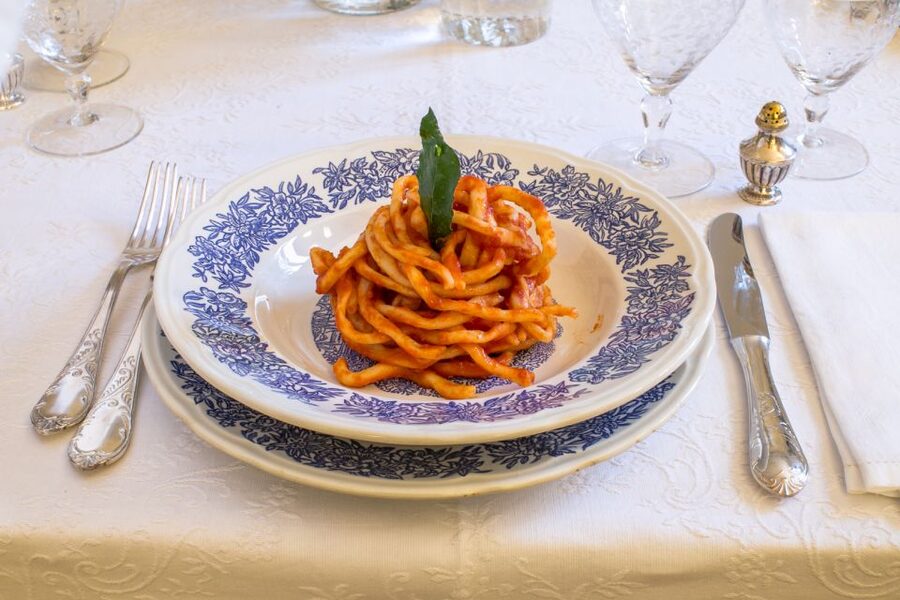
At $105 per person, this is not the cheapest way to eat pasta in Rome. You could order a plate of pasta for much less, and you can find cooking demonstrations at different prices.
The comparison is not really restaurant meal versus restaurant meal. Your fee covers three hours of instruction, ingredients for two pasta preparations and tiramisu, the meal itself, prosecco, nibbles, wine, water, and coffee. It also pays for access to a private home and time with a local cook.
For me, the value improves if you care about the lesson and the social setting. You are paying for skills you can repeat, not just calories. The class is also a good choice for a family, since several people can cook together and share the final meal.
The value is weaker if you only want a fast lunch or if you already know how to make fresh pasta. It is also less appealing if your Rome plans are tightly packed and a private-home address outside the center would create a difficult transfer.
Timing, location, and dietary needs
Classes typically begin at 10:00 AM or 5:00 PM. The morning option works well as a long lunch, while the evening option turns the class into dinner. Other starting times may be possible if you request them in advance.
The address is supplied after reservation, and the meeting point is always the host’s home for your booking. Because the exact location is not public beforehand, confirm the address and route as soon as the details arrive.
Dietary requirements can be accommodated, but you must confirm them directly with the service organizer after booking. Do not wait until you arrive at the door. Tell the organizer what you need early enough for the host to plan the recipes.
The available information does not specify accessibility details, kitchen layout, or transport assistance. If you have mobility, allergy, or other needs beyond standard dietary requests, ask before paying or contact the organizer promptly after booking.
Cancellation is practical: you can cancel up to 24 hours before the experience for a full refund. You can also reserve now and pay later, which helps if your Rome schedule is still shifting.
Who should book this experience?
I would choose this class for families, couples, solo visitors who enjoy meeting people, and anyone who wants food to be part of the trip rather than just a stop between sights.
It works especially well for:
- Families with children who enjoy hands-on activities
- First-time visitors who want a local home setting
- Pasta fans who want to learn sfoglia from scratch
- People staying in Rome for several days and able to spare three hours
- Anyone who likes a shared meal and conversation with other food lovers
I would be more cautious if you need a class in central Rome, require a guaranteed recipe in advance, or have strict dietary needs that have not yet been confirmed. I would also skip it if you want a short, polished demonstration with no active cooking.
Should you book the Cesarine pasta and tiramisu class?
Book it if you want to spend part of your Rome visit at a family table, learn two pasta dishes with your hands, and end with tiramisu, wine, and coffee. The patient teaching described with Giovanni and Martina, plus Claudia’s warm home setting outside downtown, points to the kind of personal contact this experience aims to provide.
Before booking, check three things: the $105 price fits your food budget, you can handle a possible trip beyond central Rome, and your dietary needs are accepted. If those points work, this is a strong choice for a relaxed food experience with practical skills and a meal you helped create.
FAQ
How long does the pasta and tiramisu class last?
The class lasts three hours.
What food will I prepare?
You will learn to roll sfoglia by hand, prepare two different pasta recipes from scratch, and make tiramisu.
Will I eat the food I prepare?
Yes. The experience includes tasting the two pasta recipes and the tiramisu you make during class.
Are drinks included?
Yes. Water, wine, and coffee are included, along with prosecco and small aperitivo snacks.
Where does the class meet?
The class takes place in your Cesarina host’s private home in Lazio. The exact address and the host’s mobile number are sent after booking.
What time does the class begin?
Classes typically begin at 10:00 AM or 5:00 PM. Other times may be possible with an advance request.
Is the class available in English?
Yes. The experience is offered in Italian and English.
Can dietary requirements be accommodated?
The class can cater to different dietary requirements, but you must confirm them directly with the service organizer after booking.
Recently added in Rome
- Trastevere Food Tour with Pasta-Making Class★ 5.0 · 5 reviews
- Traditional Pasta Cooking Class with Tiramisu Small Group★ 5.0 · 7 reviews
- Rome: Pasta and tiramisu class with wine pairing at Come Na Vorta★ 5.0 · 30 reviews
- Spritz and Pasta! Spritz, Fettuccine & Tiramisù★ 5.0 · 2 reviews
- The Pasta Factory Class★ 4.5 · 21 reviews
- Top Class in Fettuccine, Ravioli, and Tiramisu★ 5.0 · 7 reviews
- Private 4 Roman Pastas Tasting Tour in Rome★ 5.0 · 6 reviews
- Authentic Pasta and Tiramisù cooking class at spanish steps★ 4.5 · 14 reviews
Tiramisu Classes, compared.
3 in 1 Cooking Class near Navona: Fettuccine, Ravioli & Tiramisu
Read our review →
Pasta & Tiramisu Cooking Class with Unlimited Wine
Read our review →
Pasta & Tiramisu Class with Fine Wine by the Vatican
Read our review →
3-in-1 Fettuccine, Ravioli, and Tiramisu Cooking Class
Read our review →
Learn to Make Pasta & Tiramisu with Wine and Limoncello Included
Read our review →
Cooking Class Pasta & Tiramisu Making Unlimited Wine
Read our review →
Become a Masterchef in Rome: Pasta, Ravioli and Tiramisù Class
Read our review →
Fettuccine & Tiramisù: Cooking Class with Wine & Limoncello
Read our review →Browse the lists this class appears in