

REVIEW · PASTA CLASSES WITH WINE
Rome on a Table: Roman Pasta and Wine Tasting
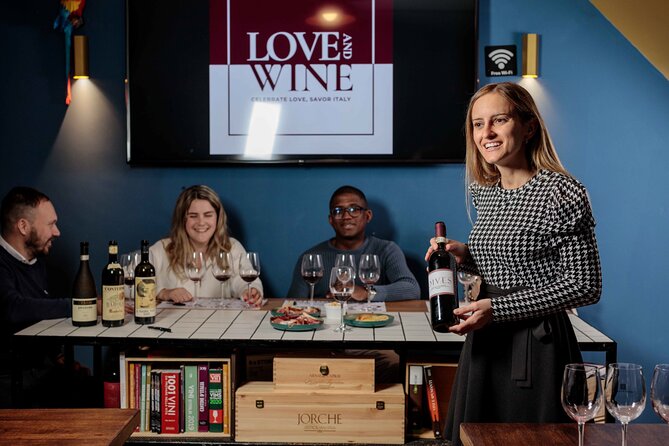
Rome’s most famous pasta dishes arrive one after another at this small tasting near the Vatican. You’ll eat Carbonara, Amatriciana, and Cacio e Pepe, while a sommelier named Ally explains the recipes, local grapes, and the role of wine in Roman life.
I like the small maximum group of 12, which gives the evening a friendly, conversational feel. I also like the setting: you can reach the meeting point in about five minutes from the Vatican Museums, making this a useful evening plan after sightseeing.
The main consideration is the fixed menu. If you want to choose your own dishes or prefer a full restaurant meal, this is not that sort of outing. It is a guided tasting, with modest portions designed to show how food and wine work together.
Key points to know before booking
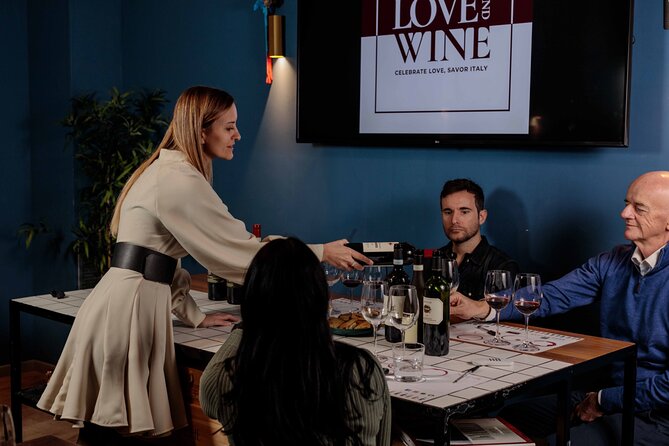
- Three Roman pasta classics: Taste Carbonara, Amatriciana, and Cacio e Pepe, the trio most closely tied to Rome’s everyday food identity.
- Four Lazio wines: Begin with a sparkling local wine, then explore regional bottles connected to the pasta courses.
- Five minutes from the Vatican Museums: The central meeting point makes this easy to fit into a Vatican-area day.
- A personal guide: Ally leads the tasting in an approachable style, with English available and Italian possible when useful.
- A proper Roman finish: Choose Limoncello, Sambuca, or a local Amaro as your digestivo.
- A two-hour evening: The experience starts at 6:30 pm and returns to the same meeting point.
Three Roman pastas, one useful introduction to Rome
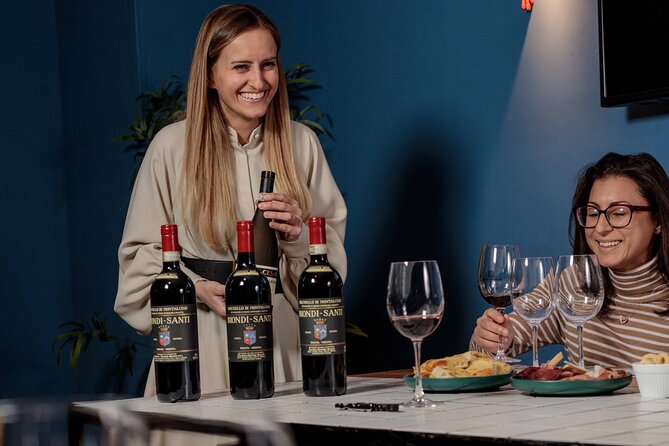
This experience works because it gives you three pasta dishes that are simple on paper but very different at the table. Carbonara is creamy without cream, Amatriciana balances tomato with the salty bite of cured pork, and Cacio e Pepe depends on little more than pasta, cheese, and pepper.
You are not just sampling random dishes. You are tasting three recipes that show how Roman cooking handles richness, salt, heat, and texture. That makes the evening useful for anyone who wants to understand why Roman food can feel so direct and satisfying.
The host also covers the stories behind the recipes. Carbonara has an origin story with surprising turns, Amatriciana reflects the movement from rustic cooking toward the Roman version known today, and Cacio e Pepe shows how a few basic ingredients can produce a memorable dish.
I would not expect a cooking class. The focus is eating, pairing, and discussion rather than preparing the pasta yourself. Still, the explanations can help you recognize what makes each dish work when you encounter it again at a trattoria.
More Pasta Classes with Wine in Rome
- Rome: Pasta & Tiramisu Class with Fine Wine by the Vatican
★ 4.9 · 4,852 reviews - Rome: Pasta Making Class with Wine, Limoncello, and Dessert
★ 4.9 · 3,177 reviews - Rome Cooking Class: Make Pasta and 3 Spritz Cocktails
★ 5.0 · 2,937 reviews
What happens when you arrive at 6:30 pm
The meeting point is Beef Bazaar at Via Germanico 136, a short walk from the Vatican Museums. The location matters if you plan your sightseeing carefully. You could visit the museums earlier in the day, take a break, and return for the tasting without crossing the city.
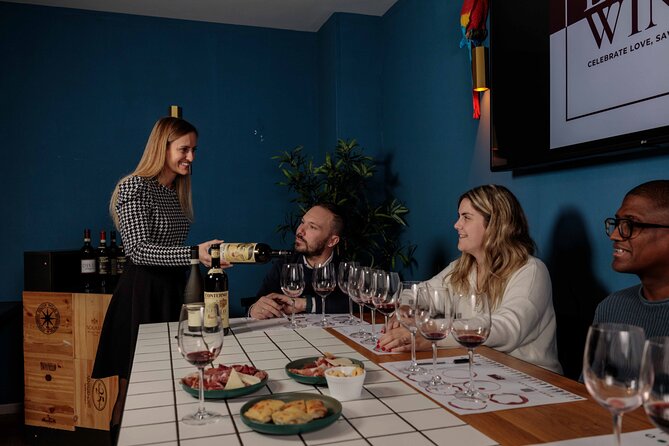
The evening begins with a sparkling local wine. This is a sensible opening because it starts the meal on a lighter note and gives Ally time to introduce the tasting, Lazio’s wine traditions, and the connection between wine and Roman customs.
The atmosphere is described as a stylish private room rather than a large public dining room. With no more than 12 people, you should have a better chance to ask questions and hear the explanations clearly. Small groups also make it easier to talk with the other people at the table, though the social side will naturally depend on who happens to attend.
The same address serves as the end point. That removes one small worry at the end of an evening that includes several pours. You will not need to find a second location or follow a guide through unfamiliar streets after the final toast.
Carbonara, Amatriciana, and Cacio e Pepe on the table
The pasta sequence is the heart of the evening. Each dish has a distinct personality, and the tasting format lets you compare them instead of treating Roman pasta as one broad category.
Carbonara is likely to be the dish many people are waiting for. The host explains its disputed and surprising beginnings, then discusses the technique behind a smooth sauce. One useful part of the experience is learning how to make a good Carbonara at home, including the balance between pasta water, cheese, egg, and cured pork.
Amatriciana brings tomato into the picture. It is a more rustic-tasting dish, with a savory foundation and a sharper profile than Carbonara. Its history helps explain how a countryside recipe became one of Rome’s best-known plates.
Cacio e Pepe is the lesson in restraint. There is no long ingredient list to hide behind. The quality of the cheese, the heat of the pepper, and the handling of the pasta water all matter. It is also the dish most likely to change your idea of what simple pasta can be.
The portions are presented as tasting courses, not as three giant restaurant plates. That is an advantage for most people because you can sample all three without being too full halfway through. If you arrive expecting a large dinner, though, you may find the meal lighter than a traditional multi-course Roman supper.
Lazio wine beyond the usual tourist bottle
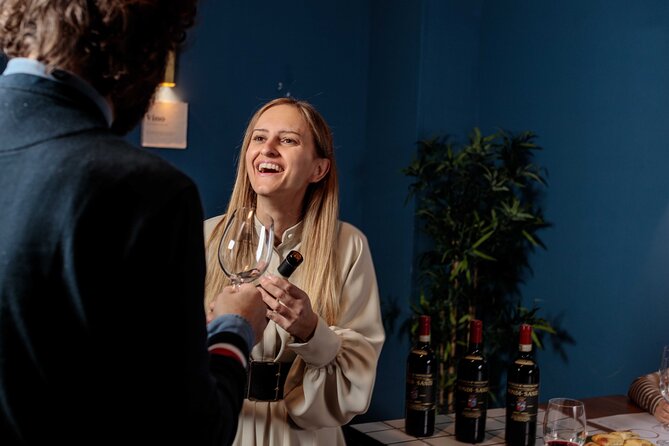
The wine portion gives the meal its regional focus. You will taste four wines from Lazio, beginning with a sparkling selection and continuing with bottles chosen to match the food. The named grapes include Malvasia, Syrah, and Cesanese.
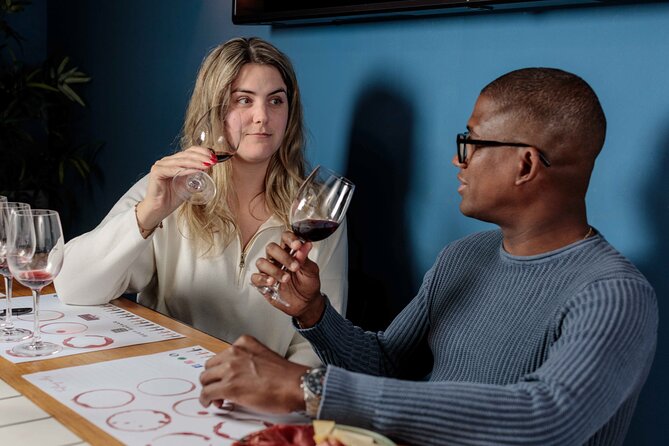
Malvasia gives the host a chance to explain the white-wine side of the region. Syrah shows that Lazio’s wine identity is not limited to old local varieties, while Cesanese points to a distinctly Roman and Lazio-based red tradition. The point is not to turn you into a wine professional. It is to help you notice how grape, acidity, body, and food affect one another.
Ally’s approach appears designed for beginners as well as people who already enjoy wine. She explains the subject in plain terms, answers questions, and can speak in English, with Italian also available if wanted. That language flexibility is helpful for mixed-language couples or groups.
The tasting also draws on Roman history. Wine was part of rituals, banquets, and daily life in the ancient world, and the discussion connects those older customs with modern Lazio wine. The historical layer adds meaning without taking the focus away from what is in your glass.
You should keep your expectations realistic. This is a regional tasting, not a survey of all Italian wine. You will not sample wines from Tuscany, Piedmont, Sicily, and Veneto. The strength is the narrow focus on Lazio, the area immediately around Rome.
Same town, a different thing to roll out:
- 3 in 1 Cooking Class near Navona: Fettuccine, Ravioli & Tiramisu
★ 5.0 · 7,376 reviews - Rome: 3-in-1 Fettuccine, Ravioli, and Tiramisu Cooking Class
★ 4.9 · 2,704 reviews - Rome: Fettuccine Pasta Cooking Class in Rome’s City Center
★ 4.8 · 2,414 reviews - Learn to Make Pasta & Tiramisu with Wine and Limoncello Included
★ 5.0 · 2,345 reviews
Why Ally makes the difference
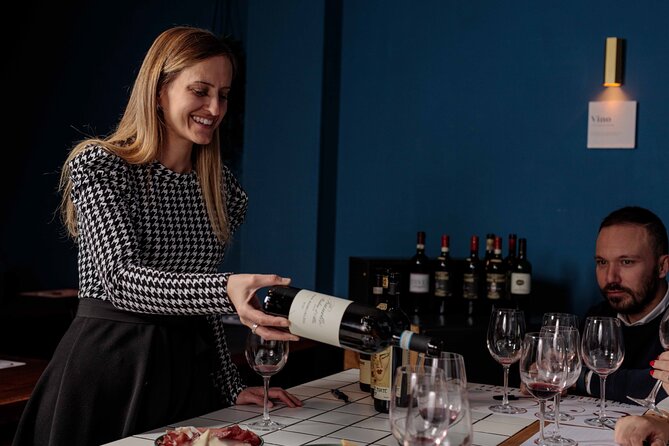
A pasta tasting can easily become a routine meal with a few facts added on top. The host is what gives this event its shape. Ally is presented as cheerful, approachable, and comfortable answering questions, with a strong grasp of local wine and food traditions.
That matters if you feel unsure about wine language. You do not need to know how to swirl a glass or identify every aroma. The best part of a guided tasting is having someone turn unfamiliar terms into useful ideas you can apply at dinner later.
Ally also brings a personal connection to Lazio. Her explanations include local stories, historical anecdotes, and practical details about the food. The tone appears warm rather than formal, which suits a two-hour gathering better than a lecture.
There is some inconsistency in the supplied material about the host’s full name, which appears as Ally, Alessandra, and Alexandra. The name used most often is Ally, so look for that name when confirming your booking details.
The final digestivo and the shape of the evening
After the pasta and wine, you choose a traditional Italian digestivo. The options are Limoncello, Sambuca, or a local Amaro.
This final drink is not just a sweet extra. A digestivo is part of the rhythm of an Italian meal, a small closing ritual after the main food is finished. Limoncello is the bright, citrusy choice; Sambuca is more anise-forward; and Amaro offers a more herbal, bitter finish.
The closing toast gives the event a clear ending. After two hours, you return to the same meeting point, close to the Vatican and near public transportation. Since the start time is 6:30 pm, the experience fits well after an afternoon of sightseeing, though you should avoid scheduling another major attraction at the same time.
The evening includes alcohol, so plan your route home before you arrive. The meeting point and nearby transport make the logistics easier, but the experience is still best enjoyed at an unhurried pace.
Is $86.73 a fair price?
At $86.73 per person, this is more expensive than ordering one pasta dish and a glass of wine at a casual Roman restaurant. That comparison is not quite fair, since the price includes three pasta tastings, four regional wines, a guided presentation, and a digestivo.
I see the value in the instruction and the comparison. You are paying for context as well as food. A regular meal may give you a Carbonara, but it will not necessarily explain how Carbonara differs from Cacio e Pepe, why the wine works with the dish, or how Lazio’s grapes fit into the region’s story.
The price makes the most sense for visitors who want one organized food activity and are curious about wine. It is less compelling if you already have a carefully planned restaurant list or if you mainly want the largest possible dinner for your money.
The small group also affects the value. A maximum of 12 people is much more personal than a large food tour, and the format allows questions. I would consider that an important part of the cost, especially for couples, solo visitors, and anyone who enjoys learning at the table.
Who should book this tasting
I would recommend it to you if you enjoy food with a story and want a gentle introduction to Lazio wine. It is a good fit for couples, small groups, solo diners who like meeting people, and first-time visitors who want an evening close to the Vatican.
It also suits people who are new to wine. The host’s style is friendly and clear, and the subject is practical. You learn about wines you can encounter in Rome rather than spending two hours on technical material with little connection to your trip.
This may also work well for a special occasion. The private-room setting, focused food, and final toast give it a celebratory feel without requiring a full formal dinner. A private tasting can also be arranged by the provider, though the experience described here has a maximum group size of 12.
I would hesitate if you need a strictly nonalcoholic activity, dislike set menus, or want a hands-on pasta lesson. The food is the focus, but you are tasting prepared dishes rather than making them.
Practical details that matter
The activity lasts about two hours and begins at 6:30 pm. Meet at Beef Bazaar, Via Germanico 136, 00192 Rome, then finish at the same location.
A mobile ticket is accepted, and confirmation is provided when you book. The location is near public transportation, and service animals are allowed.
The activity can be canceled for a full refund up to 24 hours before the start time. Cancellations or changes made less than 24 hours before the local start time are not accepted for a refund.
Because the experience is often booked well ahead, planning matters. The average booking window is 63 days, so you should reserve early if you want a particular date during a busy Rome visit.
Should you book Rome on a Table?
Book it if you want a compact, social introduction to Roman pasta and Lazio wine, especially if your sightseeing plans already take you to the Vatican area. The combination of three classic dishes, four local wines, a digestivo, and a small group gives the evening a clear purpose.
Skip it if your priority is a long, filling dinner or a hands-on cooking class. For everyone else, the $86.73 price is reasonable when you value explanation, regional focus, and a host who makes wine easy to approach. Plan for a tasting rather than a feast, arrive ready to ask questions, and you will get the most from the two hours.
FAQ
Where does the Rome on a Table tasting begin?
It begins at Beef Bazaar, Via Germanico 136, 00192 Rome, Italy.
What time does the experience start?
The tasting starts at 6:30 pm.
How long does the tasting last?
It lasts approximately two hours.
Does the tasting take place near the Vatican?
Yes. The private room is described as about a five-minute walk from the Vatican Museums.
How many people can join the experience?
The maximum group size is 12 travelers.
Which pasta dishes are included?
The tasting includes Carbonara, Amatriciana, and Cacio e Pepe.
How many wines are included?
Four Lazio wines are included, beginning with a sparkling local wine.
Which grapes may be discussed?
The experience includes discussion of local grapes such as Malvasia, Syrah, and Cesanese.
What digestivo choices are available?
You can choose Limoncello, Sambuca, or a local Amaro.
Can I cancel for a full refund?
Yes. You can cancel at least 24 hours before the local start time for a full refund. Changes or cancellations made less than 24 hours before the start time are not accepted for a refund.
More Food and Drink Tours in Rome
- Pasta Making & Wine Tasting with Dinner in Frascati from Rome
★ 5.0 · 1,326 reviews - Rome: Pasta Making with Wine Tasting and Dinner in Frascati
★ 4.9 · 979 reviews - Super Fun Pasta & Gelato Class by Vatican with Wine + Oil Tasting
★ 5.0 · 726 reviews - Rome: Testaccio Food & Market Tour with Pasta & Wine
★ 5.0 · 38 reviews
Recently added in Rome
- Trastevere Food Tour with Pasta-Making Class★ 5.0 · 5 reviews
- Traditional Pasta Cooking Class with Tiramisu Small Group★ 5.0 · 7 reviews
- Rome: Pasta and tiramisu class with wine pairing at Come Na Vorta★ 5.0 · 30 reviews
- Spritz and Pasta! Spritz, Fettuccine & Tiramisù★ 5.0 · 2 reviews
- The Pasta Factory Class★ 4.5 · 21 reviews
- Top Class in Fettuccine, Ravioli, and Tiramisu★ 5.0 · 7 reviews
- Private 4 Roman Pastas Tasting Tour in Rome★ 5.0 · 6 reviews
- The Original Fettuccine Alfredo Experiences in Roma★ 4.5 · 38 reviews
Pasta Classes with Wine, compared.
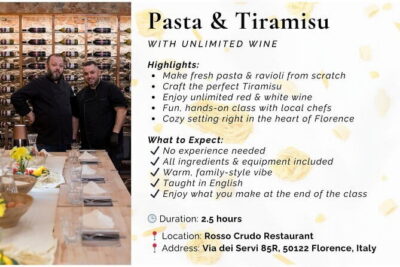
Pasta & Tiramisu Cooking Class with Unlimited Wine
Read our review →
Pasta & Tiramisu Class with Fine Wine by the Vatican
Read our review →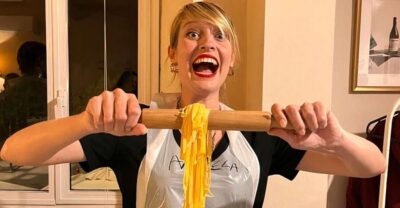
Pasta Making Class with Wine, Limoncello, and Dessert
Read our review →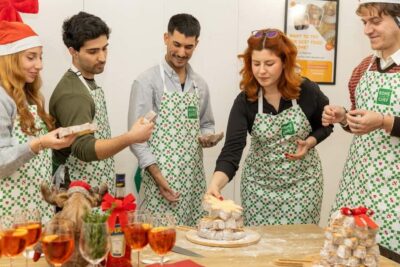
Rome Cooking Class: Make Pasta and 3 Spritz Cocktails
Read our review →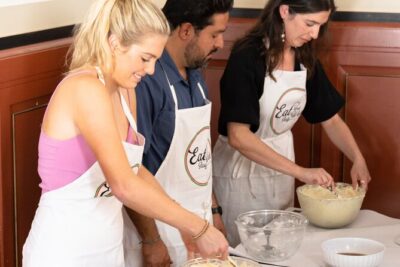
Learn to Make Pasta & Tiramisu with Wine and Limoncello Included
Read our review →
Cooking Class Pasta & Tiramisu Making Unlimited Wine
Read our review →
Fettuccine & Tiramisù: Cooking Class with Wine & Limoncello
Read our review →Browse the lists this class appears in