
REVIEW · TIRAMISU CLASSES
Rome: Hands-On Pasta & Tiramisu Class with Unlimited Wine
Fresh pasta, stuffed ravioli, tiramisu, and free-flowing Italian wine make this one of Rome’s more enjoyable food activities. You work beside a local chef rather than watch a demonstration, and the small groups let you get real help with the dough, pasta shapes, fillings, and dessert.
I like the limited group size, which keeps the class personal, and I like that you eat the food you make instead of leaving with a token sample. Chefs including Max, Marco, Alessandro, Jacopo, and Zori are praised for clear instruction and good humor. The main drawback is practical: the class is not suitable for people with celiac disease or serious gluten or nut allergies.
At a glance
- Three Roman staples in one class: Make fresh fettuccine, stuffed ravioli, and classic tiramisu from the beginning.
- Small groups with hands-on help: Groups of five to eight have been reported, with private options also available.
- Chefs who teach, not just perform: Max, Marco, Jacopo, Alessandro, and Zori are among the instructors named for their patience and lively teaching.
- Unlimited Italian wine: Wine flows while you cook and eat, with coffee and nonalcoholic drinks also included.
- A full meal, not a quick lesson: You sit down to eat the pasta and tiramisu you have prepared.
- Recipes for home: A booklet gives you a practical way to repeat the dishes after your Roman holiday.
What makes this Rome cooking class worth your time
Rome offers endless churches, ruins, fountains, and long restaurant meals. This class gives you a different kind of souvenir: the ability to make fresh pasta at home, along with three hours of social time around a kitchen table.
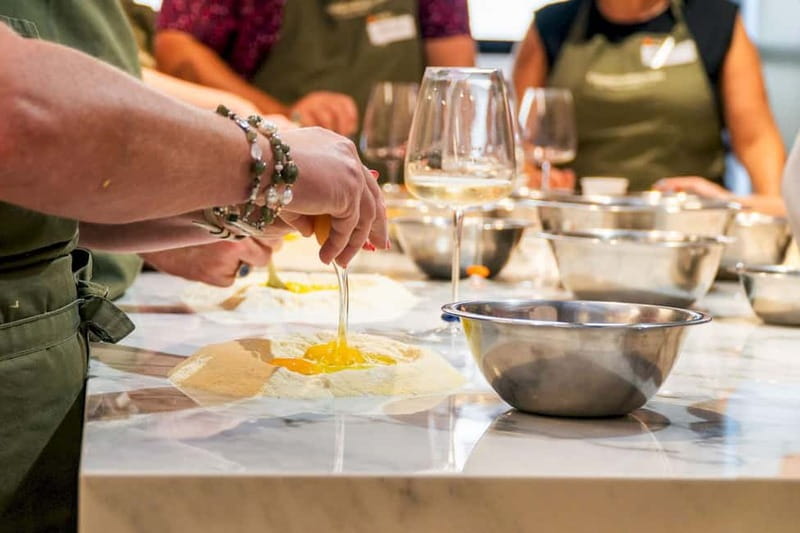
The key difference is that you do the work. You mix flour and eggs with your hands, knead the dough, roll it thin, fill ravioli, and assemble tiramisu. The chef demonstrates each stage, then guides you as you try it yourself. That makes the class useful for beginners, while people who already cook still get tips on texture, shaping, and timing.
I also like the balance between instruction and relaxation. The lesson is not presented as a serious culinary exam. You cook, ask questions, drink wine, laugh with the group, and then eat. That easy pace explains why this activity has become a favorite part of many Rome itineraries.
The listed price is $112.15 per person. That is not a cheap lunch, but it covers a three to three-and-a-half-hour class, a substantial meal, unlimited wine, coffee, snacks, drinks, personal instruction, and recipes to take home. Compared with paying separately for a cooking lesson and dinner, the price is fair, especially if you value an activity that occupies an entire evening or morning.
More Fresh Pasta Workshops in Rome
- Rome: Pasta Making Class with Wine, Limoncello, and Dessert
★ 4.9 · 3,177 reviews - Enjoy Spritz and Pasta Making in Piazza Navona
★ 5.0 · 1,681 reviews - Pasta Making & Wine Tasting with Dinner in Frascati from Rome
★ 5.0 · 1,326 reviews
Entering the Roman kitchen
The exact meeting point can vary with the option you book, so check your confirmation carefully. The experience ends back at the meeting point, and there is no hotel pickup or drop-off.
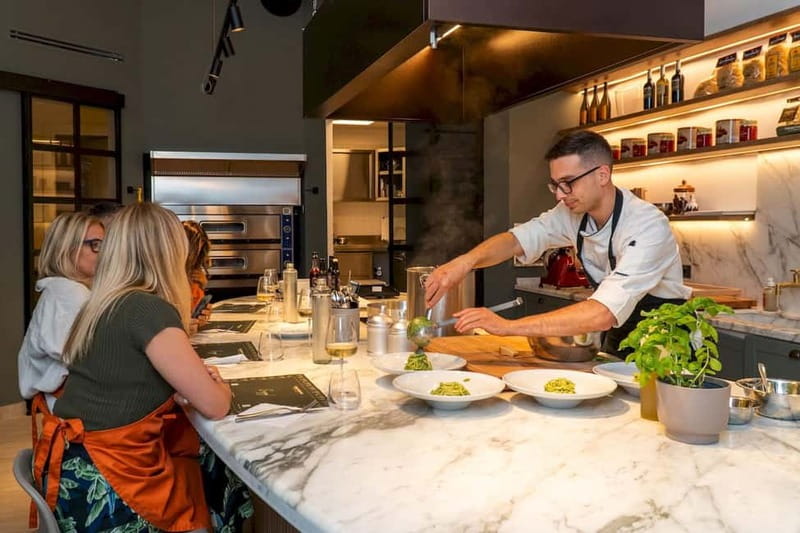
The cooking space is described as clean, inviting, and newly fitted by people who attended different class sizes. That matters more than it might sound. Pasta making needs room for flour, rolling, shaping, and trays of food. A group of six gives each person a workable place, while a group of eight can still feel personal if the kitchen is arranged well.
The setting has a theatrical, cinematic feel, but the focus remains practical. You arrive to the smell of ingredients, meet the English-speaking chef, and settle in with an apron before work begins. Snacks are available while you cook, so you are not waiting hungry for the final meal.
The tone depends partly on your chef. Max is repeatedly singled out for being funny, attentive, and clear. Marco is praised for his energy and positive approach. Jacopo is noted for taking time with each person, while Alessandro and Zori are also described as patient and welcoming. Since staffing can vary, you should not assume a specific chef unless the booking option confirms one.
Mixing flour and eggs by hand
The first real task is making pasta dough. You combine flour and eggs with your hands, then knead until the dough becomes smooth and workable. This is where a demonstration alone would fall short. You can feel when the dough is too dry, too sticky, or ready to roll.
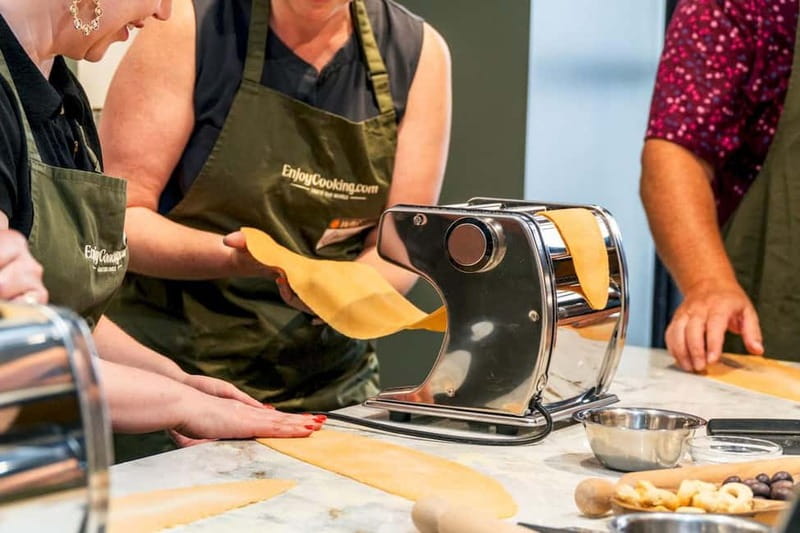
The chef guides you through the texture and explains how to handle the dough. You then roll it into thin sheets and prepare it for different shapes. The lesson is simple enough for a first attempt, but it gives you a basic technique you can repeat at home.
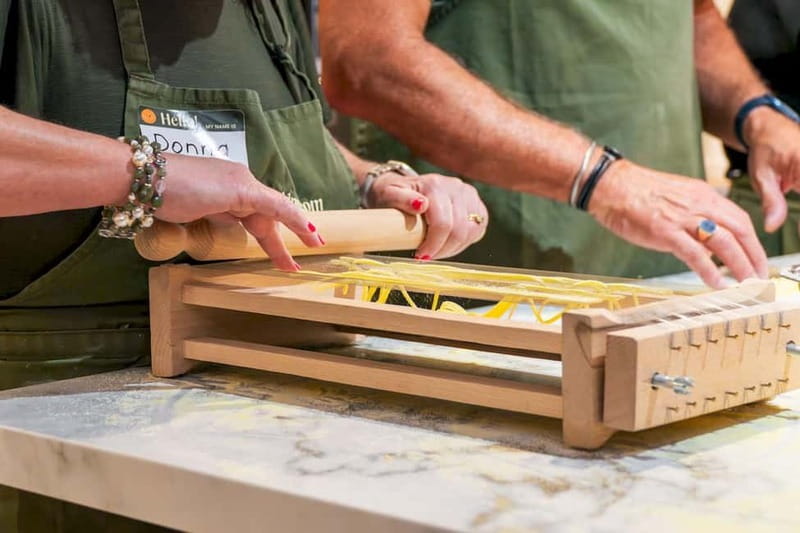
The class makes two pasta preparations. One is fettuccine or a similar long pasta, and the other is stuffed ravioli. Some sessions also show several pasta shapes before focusing on the dishes you will eat. This is a nice touch because it connects the dough to the wider world of Italian pasta without turning the class into a long lecture.
If you enjoy cooking, this is likely the strongest part of the activity. You are not just hearing that fresh pasta feels different from dried pasta. You are handling the dough, rolling it, and seeing how careful work affects the finished texture.
Filling and shaping the ravioli
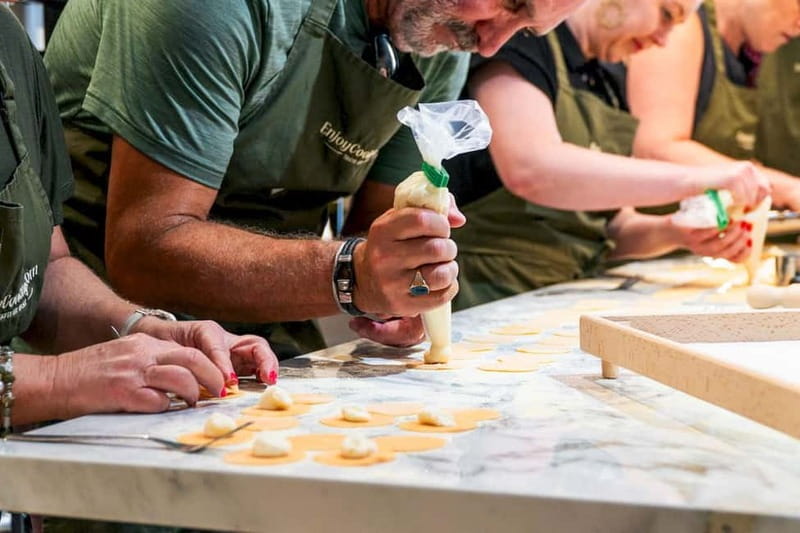
Ravioli adds the most delicate work. You place seasonal filling onto pasta sheets, cover it, and form small pockets without trapping too much air. The chef helps with spacing, sealing, and shaping.
This stage is more involved than making plain noodles, but that is exactly its value. You learn why the edges must be sealed firmly and why the filling needs to be measured rather than piled on. The chef can correct your technique before the ravioli reaches the pot.
The fillings and sauces can vary, but the class uses fresh ingredients and teaches the general method. After shaping, the ravioli is cooked in boiling water until al dente. In one class, the pasta was finished with red and yellow tomatoes and seasonings in a frying pan. You can expect the chef to handle some of the final cooking while explaining how to sauté and season the pasta properly.
That division of work makes sense. A full class cannot give every person a burner and pan at once, and the chef needs to control timing so the pasta is served at its best. You still do the important preparation, then watch the final cooking closely before sitting down to eat.
More Pasta Classes with Wine in Rome
- Rome: Pasta & Tiramisu Class with Fine Wine by the Vatican
★ 4.9 · 4,852 reviews - Rome Cooking Class: Make Pasta and 3 Spritz Cocktails
★ 5.0 · 2,937 reviews - Learn to Make Pasta & Tiramisu with Wine and Limoncello Included
★ 5.0 · 2,345 reviews - Fettuccine & Tiramisù: Cooking Class with Wine & Limoncello
★ 4.9 · 2,103 reviews
Making classic tiramisu
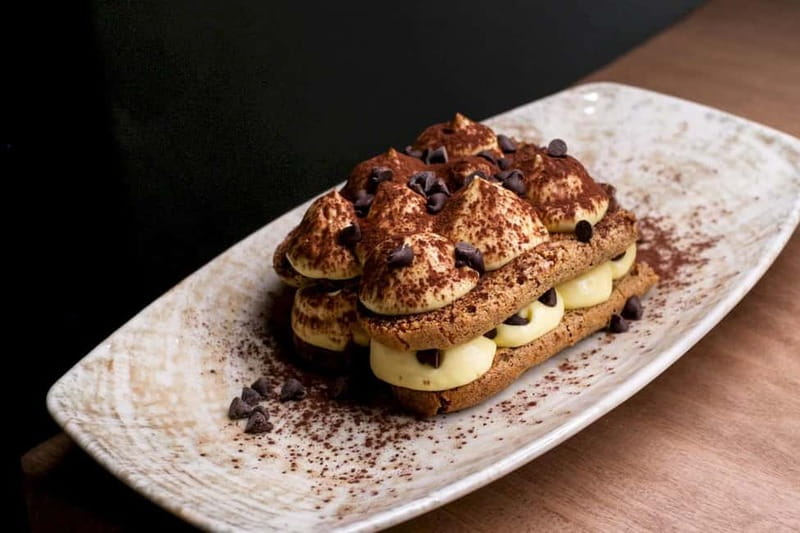
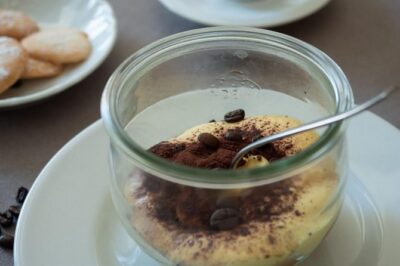
The dessert lesson is calmer and less technical than the pasta work. You prepare espresso-soaked biscuits, layer them with mascarpone cream, and finish the dish with cocoa.
Tiramisu is a good choice for a group class because it can be assembled ahead of the meal and does not require complicated baking. You learn the proportions and order of the layers, then get to eat the finished dessert after the savory courses.
This part also gives the class a welcome change of rhythm. After kneading, rolling, and shaping, you move to a cooler, softer dessert preparation. The chef may explain the ingredients and some Italian food vocabulary or traditions along the way. One private class included food history and language tips, which added context without taking over the cooking.
Do not expect a pastry-school lesson. The value here is learning a reliable home version of tiramisu and understanding how the components work together.
Sitting down to eat your own food
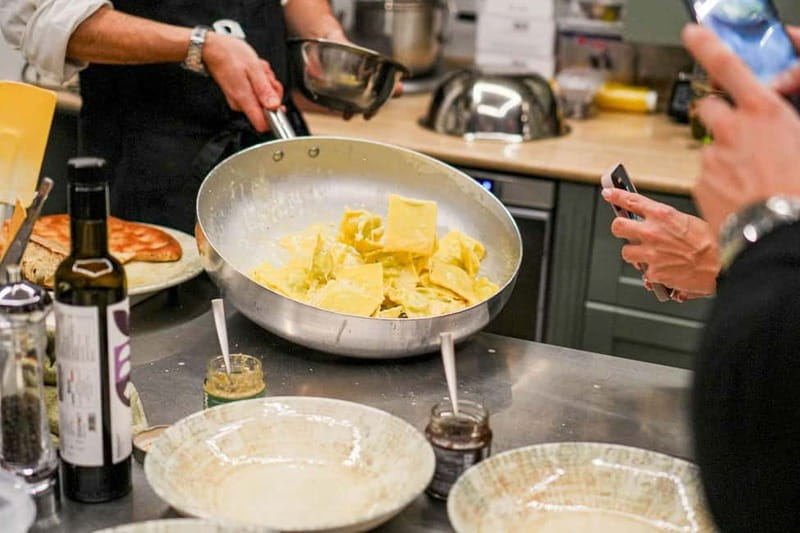
The class ends with a shared meal. You eat the pasta and ravioli you prepared, followed by tiramisu, with Italian wine available throughout the cooking and meal. Coffee and nonalcoholic drinks are included as well.
The food is the payoff, but the table is also part of the activity. You meet other people in the class, compare pasta shapes, and talk with the chef in a relaxed setting. That social element works particularly well for couples, solo visitors, and families who want an evening with more interaction than a restaurant provides.
The portions are described as generous, and the class includes enough food to function as a full meal. Still, the exact quantity and recipes may vary with the session and ingredients. You should think of this as a cooking lesson with dinner included, not as a formal restaurant tasting menu.
The unlimited wine policy makes the class feel festive, but it is worth pacing yourself. You still have to roll dough and follow instructions, and three hours can pass quickly. Coffee and soft drinks make the activity workable for anyone who does not drink alcohol.
Group size, private classes, and family appeal
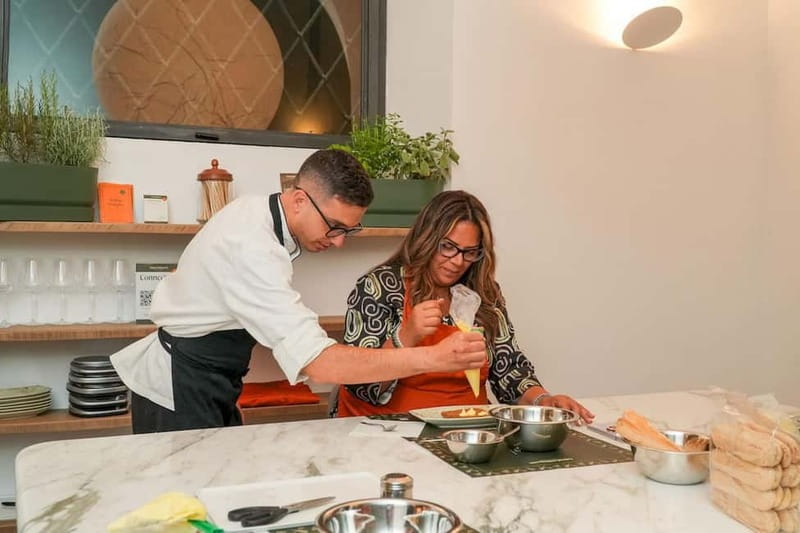
The small-group format is one of the best reasons to choose this class. Groups of five, six, and eight have been described, and these sizes allow the chef to move around the table and help individuals.
A small group also makes it easier to ask basic questions. You can admit that your dough is too sticky or that your ravioli will not seal without feeling lost in a crowd. For a first cooking class, that personal attention is worth paying for.
Private options are available if you want the chef’s attention focused on your own party. A private class can suit a family celebration, a couple who wants a quieter lesson, or a group of friends planning a shared activity.
Families can also consider it. One session welcomed a child who was almost two years old and made the party feel accommodated. That does not mean every young child will manage three hours of pasta work, so think honestly about your child’s patience, but the class is not limited to serious adult cooks.
Who should book, and who should skip it
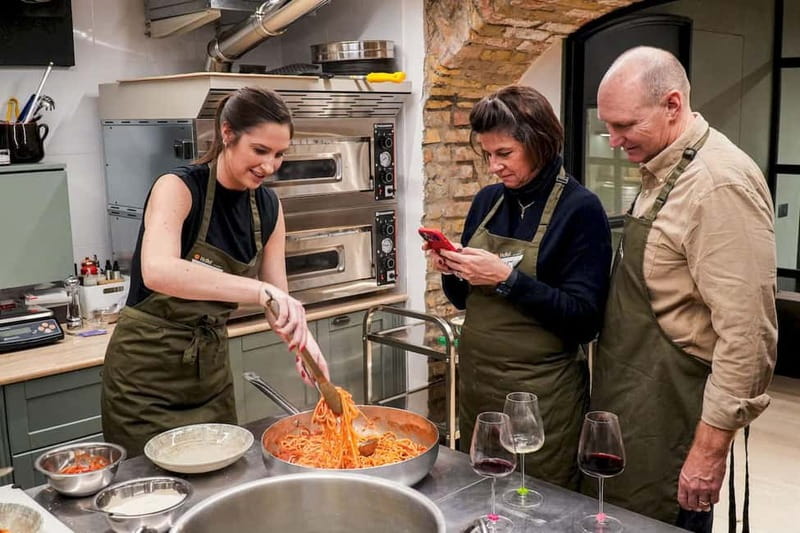
I would choose this for you if you like hands-on activities, want a break from museums and monuments, or enjoy meeting people over food. It is especially useful for a first visit to Rome because it gives you a direct connection to everyday Italian cooking rather than another sightseeing lecture.
It also suits couples and families looking for one shared activity. The class has enough structure to keep everyone busy, but enough conversation and wine to feel social. Solo visitors should find it easy to join in because the work naturally creates conversation.
You do not need advanced cooking skills. The instruction is built for beginners, and the chefs explain the process in simple steps. Experienced home cooks may still enjoy the fresh ingredients, pasta shaping, and Italian approach to sauces.
The main reason to skip it is dietary. Gluten-free pasta is not offered, and the class is not recommended for people with celiac disease. Traces of gluten and nuts may be present, and anyone with a severe allergy should notify the provider before booking. Special dietary needs can sometimes be accommodated, but you should not assume that every requirement can be met.
Timing, cancellation, and practical planning
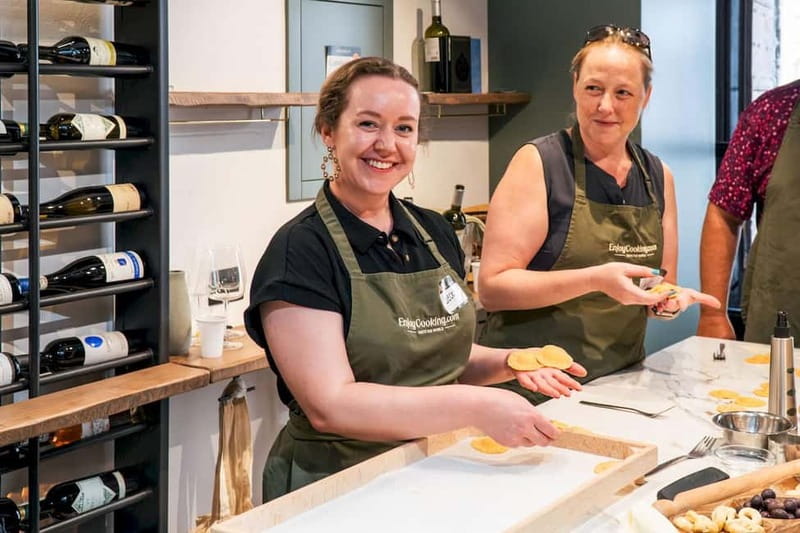
The class lasts about three to three-and-a-half hours. Morning and evening sessions may be available, but you need to check the current starting times when choosing a date.
A morning class can work well before an afternoon of sightseeing, while an evening session can replace dinner. Leave room in your schedule rather than placing a major timed attraction immediately afterward. Cooking, eating, and conversation can take the full stated time.
The meeting point may change according to the option you select. Confirm the address before setting out, and do not expect transport from your hotel. The activity returns to the same meeting point.
Cancellation is flexible up to two days before the class for a full refund. That is useful when your Rome schedule is still shifting, but the rule is based on advance notice, so do not wait until the last minute.
Final call: book it if you want to cook, not just eat
I would book this class if you want an active Rome memory and like the idea of learning food you can make again at home. The combination of pasta, ravioli, tiramisu, a small group, and unlimited wine gives you a lot for the price, and the named chefs are consistently described as funny, patient, and attentive.
I would not book it simply because you need a gluten-free meal or a quick dinner. It is a three-hour activity, and the flour-heavy work is central to the experience.
For most food-loving visitors, this is a strong choice. You leave with a full meal in you, recipes in your bag, and a better sense of why fresh pasta tastes so different when you have made it yourself.
FAQ
How long does the pasta and tiramisu class last?
The class lasts approximately three to three-and-a-half hours. Starting times vary, so check availability for the date you want.
What will I make during the class?
You will make fresh fettuccine, stuffed ravioli, and classic tiramisu. The class covers pasta dough, ravioli filling and shaping, sauces, and tiramisu assembly.
Is wine included?
Yes. Italian wine is available without an additional charge during the class. Coffee and nonalcoholic drinks are also included.
Is the class taught in English?
Yes. English instruction is provided.
Are private classes available?
Yes. You can book a private class or join a small group, depending on the option selected.
Can people with gluten intolerance or celiac disease attend?
The class is not suitable for people with gluten intolerance or celiac disease. Gluten-free options are not offered, and traces of gluten and nuts may be present. Tell the provider about dietary needs or serious allergies before booking.
More Tiramisu Classes in Rome
- 3 in 1 Cooking Class near Navona: Fettuccine, Ravioli & Tiramisu
★ 5.0 · 7,376 reviews - Rome: 3-in-1 Fettuccine, Ravioli, and Tiramisu Cooking Class
★ 4.9 · 2,704 reviews - Become a Masterchef in Rome: Pasta, Ravioli and Tiramisù Class
★ 5.0 · 2,156 reviews - Rome: Pasta & Tiramisu Cooking Class near the Spanish Steps
★ 4.8 · 1,395 reviews
Recently added in Rome
- Trastevere Food Tour with Pasta-Making Class★ 5.0 · 5 reviews
- Traditional Pasta Cooking Class with Tiramisu Small Group★ 5.0 · 7 reviews
- Rome: Pasta and tiramisu class with wine pairing at Come Na Vorta★ 5.0 · 30 reviews
- Spritz and Pasta! Spritz, Fettuccine & Tiramisù★ 5.0 · 2 reviews
- The Pasta Factory Class★ 4.5 · 21 reviews
- Top Class in Fettuccine, Ravioli, and Tiramisu★ 5.0 · 7 reviews
- Private 4 Roman Pastas Tasting Tour in Rome★ 5.0 · 6 reviews
- Authentic Pasta and Tiramisù cooking class at spanish steps★ 4.5 · 14 reviews
Tiramisu Classes, compared.
3 in 1 Cooking Class near Navona: Fettuccine, Ravioli & Tiramisu
Read our review →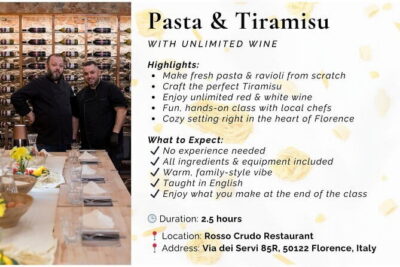
Pasta & Tiramisu Cooking Class with Unlimited Wine
Read our review →
Pasta & Tiramisu Class with Fine Wine by the Vatican
Read our review →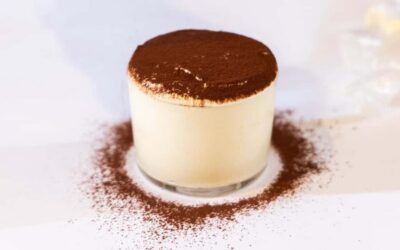
3-in-1 Fettuccine, Ravioli, and Tiramisu Cooking Class
Read our review →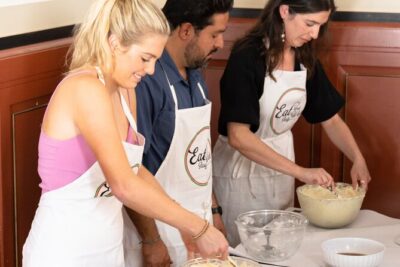
Learn to Make Pasta & Tiramisu with Wine and Limoncello Included
Read our review →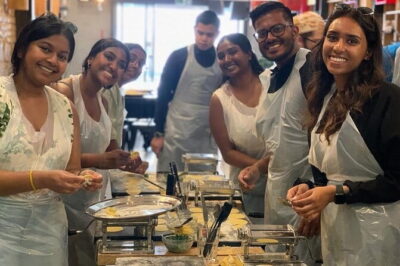
Cooking Class Pasta & Tiramisu Making Unlimited Wine
Read our review →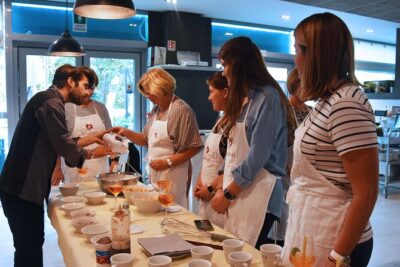
Become a Masterchef in Rome: Pasta, Ravioli and Tiramisù Class
Read our review →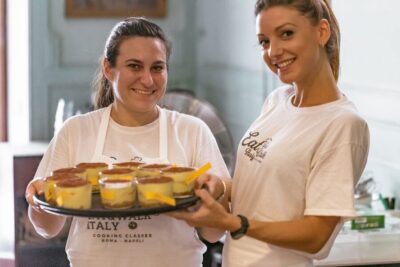
Fettuccine & Tiramisù: Cooking Class with Wine & Limoncello
Read our review →Browse the lists this class appears in