REVIEW · CHEF-LED PASTA CLASSES
Rome: Fresh Pasta-Making Class with Italian Chef and Wine
Rome’s best cooking lessons do more than hand you a recipe. This one puts you to work with flour, filling, pasta shapes, and Roman sauces, then feeds you the results. You may make three kinds of pasta, including ravioli, fettuccine, or spaghetti, while Chef Riccardo and his team explain the small choices that make Italian food taste right.
I like the small-group format, which gives the chef time to correct your technique, and I like the practical focus on dishes you can repeat at home. The main consideration is that the teaching language can affect the experience: classes are offered in English and Italian, but one session included French-speaking participants and some explanations were not translated fully.
Key points to know before booking
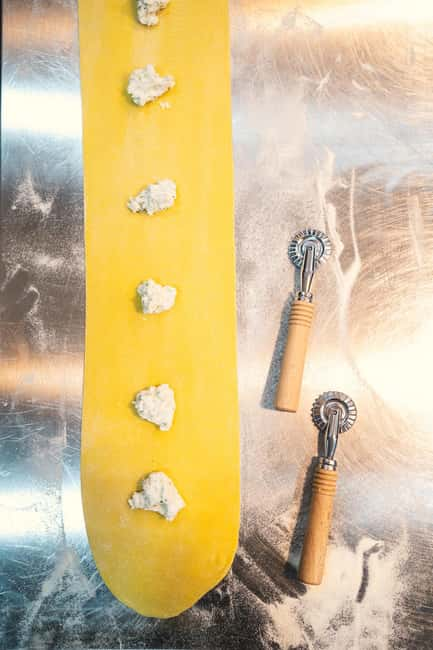
- You make several pasta styles: Classes have included ravioli, fettuccine, spaghetti, and other handmade shapes.
- Roman sauces are part of the lesson: Carbonara, cacio e pepe, and arrabbiata may feature alongside the pasta.
- The class is genuinely hands-on: You mix, shape, fill, and prepare the pasta rather than simply watching a demonstration.
- The meal is substantial: Your work becomes a three-course meal, with selected wine served during the cooking and dinner.
- The setting can vary: Meet at the Cooking Lab on Circonvallazione Gianicolense or, depending on the booking, at Riccardo’s grandmother’s house.
- Private classes offer more flexibility: Gnocchi, risotto, tiramisu, gluten-free, dairy-free, and vegan options may be arranged privately.
What the three-hour Rome pasta class is really like
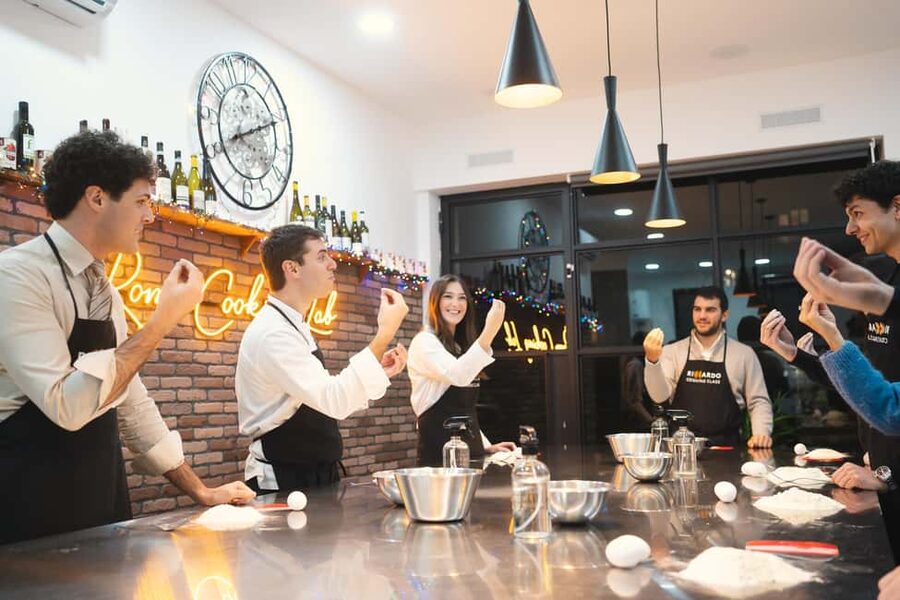
This is a cooking class first and a meal second, though you get plenty of food at the end. The advertised format lasts three hours, with classes offered at different starting times. Past sessions have run from 11 a.m. to about 2 p.m., so a morning booking can work well as a long lunch.
You meet Chef Riccardo and his team at the Cooking Lab or at his grandmother’s house. The Cooking Lab is at Circonvallazione Gianicolense 418, close to a cafe. The family-home setting gives the class a more personal feel, while the studio offers a clear cooking space and a practical setup for small groups.
Groups are limited to 10 people. That number is large enough to make the meal social, but small enough for the chef to watch what you are doing. Several classes have been led by Riccardo, Leo, William, Marco, Mattia, and Bruno. The teaching style appears to vary by chef, but the strongest pattern is clear instruction, humor, and plenty of encouragement.
You are given an apron to use during the class. You can keep it for an extra charge, which is a nice option if you want a useful souvenir instead of another Rome magnet.
More Chef-Led Pasta Classes in Rome
- Rome Cooking Class: Make Pasta, Dine & Drink Wine With Local Chef
★ 5.0 · 1,263 reviews - 2-in-1 Pasta and Tiramisu Cooking Masterclass in Rome
★ 5.0 · 832 reviews - Pasta Fettuccine, Ravioli and Tiramisu MasterClass
★ 5.0 · 391 reviews
From flour to long pasta
The hands-on work begins with fresh pasta dough. The goal is not simply to watch a chef roll out a perfect sheet. You learn how the dough is mixed, worked, rolled, and cut, then get a chance to repeat the process yourself.
The exact pasta selection can change, but classes have included fettuccine, spaghetti alla chitarra, ravioli, tortellini, and cappelletti. That range matters because each type teaches a different skill. Long pasta helps you understand rolling and cutting. Stuffed pasta adds filling, sealing, and shaping. Small filled forms require more patience and careful fingers.
The chefs also explain why they make certain choices. Past participants have especially valued tips on shaping pasta, cooking it correctly, and selecting ingredients when shopping at home. This makes the class useful beyond Rome. You leave with techniques rather than only a pleasant lunch.
Ravioli is often the most satisfying part for first-time pasta makers. You see how much filling to use, how to press out air, and how to seal the edges. Use too much filling and the pasta may split. Use too little and the finished piece feels flat. These are simple lessons, but they are difficult to learn from a cookbook alone.
Roman sauces: Carbonara, cacio e pepe, and arrabbiata
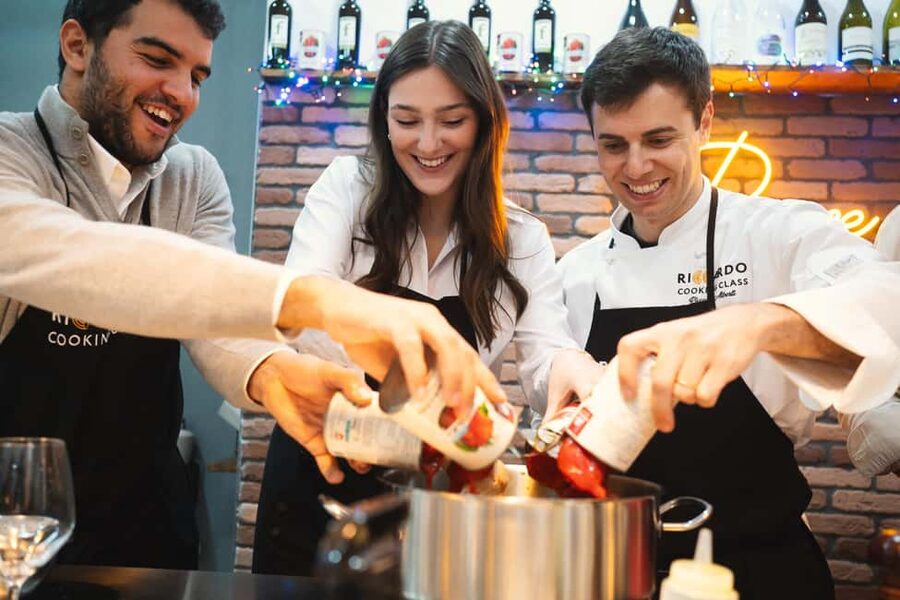
The sauce lesson gives the class its Roman character. You may prepare or watch the chefs prepare classic sauces such as carbonara, cacio e pepe, and arrabbiata. The combinations vary, so you should not expect every class to include every sauce.
Carbonara is especially worthwhile because the Roman version differs from what many people eat outside Italy. One class used guanciale, the cured pork traditionally associated with carbonara, and explained how it gives the dish its deep savory flavor. The sauce is built around eggs, cheese, and pasta water rather than cream, so technique matters. Too much heat can scramble the eggs. Too little movement can leave the sauce thick and uneven.
Cacio e pepe looks simple, but it is not an easy sauce to get right. Cheese, pepper, and pasta water must come together into a smooth coating. A cooking class is a good place to learn this because the chef can show you the texture you want instead of leaving you to guess.
Arrabbiata provides a different lesson. Its tomato base and heat are direct and forgiving, making it a good match for long pasta. The key value here is comparison. You taste how different sauces suit different shapes, and you see why pasta choice is part of Italian cooking rather than an afterthought.
A three-course meal with wine
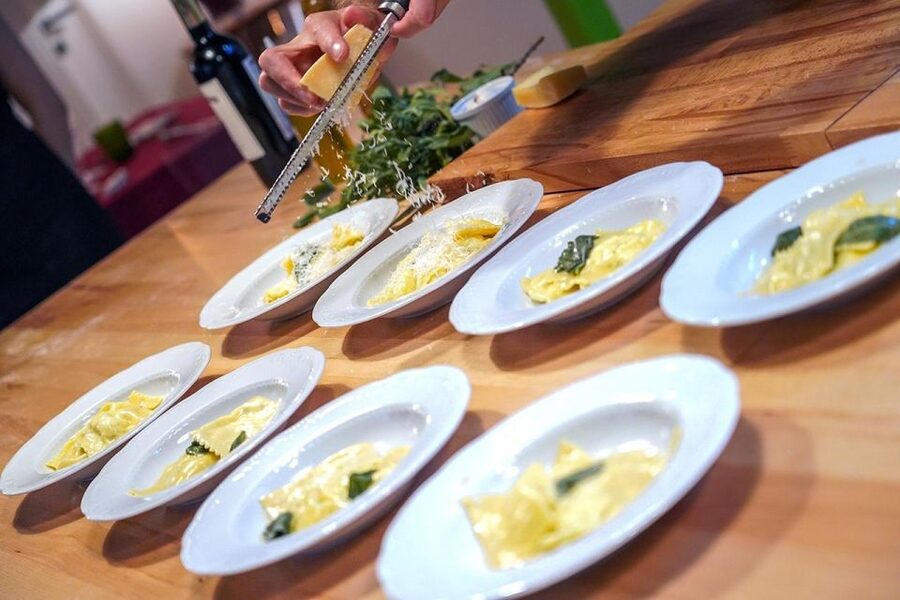
Once the cooking is finished, you sit down to eat what the group has prepared. The experience includes a three-course meal and selected wine, with organic wine listed as part of the offering. Prosecco has also been served during some classes.
The amount of food can be generous. One class produced so much pasta that the group needed to take some home. That is good news if you arrive hungry, but you should not expect a quick tasting menu. This is a proper shared meal after several hours of cooking.
Wine is served during the class and with the food. That adds to the relaxed, family-style mood, though it is worth keeping in mind if you are looking for a strictly technical cooking lesson. The wine is part of the social side of the experience, not a separate tasting course with detailed vineyard instruction.
The meal also gives you a chance to ask questions that come up naturally while eating. Chefs have offered restaurant, pizza, gelato, and wine suggestions for the rest of a Rome visit. For that reason, I would book this early in your stay if you want food advice you can use later.
More Fresh Pasta Workshops in Rome
- Rome: Pasta Making Class with Wine, Limoncello, and Dessert
★ 4.9 · 3,177 reviews - Enjoy Spritz and Pasta Making in Piazza Navona
★ 5.0 · 1,681 reviews - Pasta Making & Wine Tasting with Dinner in Frascati from Rome
★ 5.0 · 1,326 reviews - Rome: Pasta Making with Wine Tasting and Dinner in Frascati
★ 4.9 · 979 reviews
The teaching style and language question
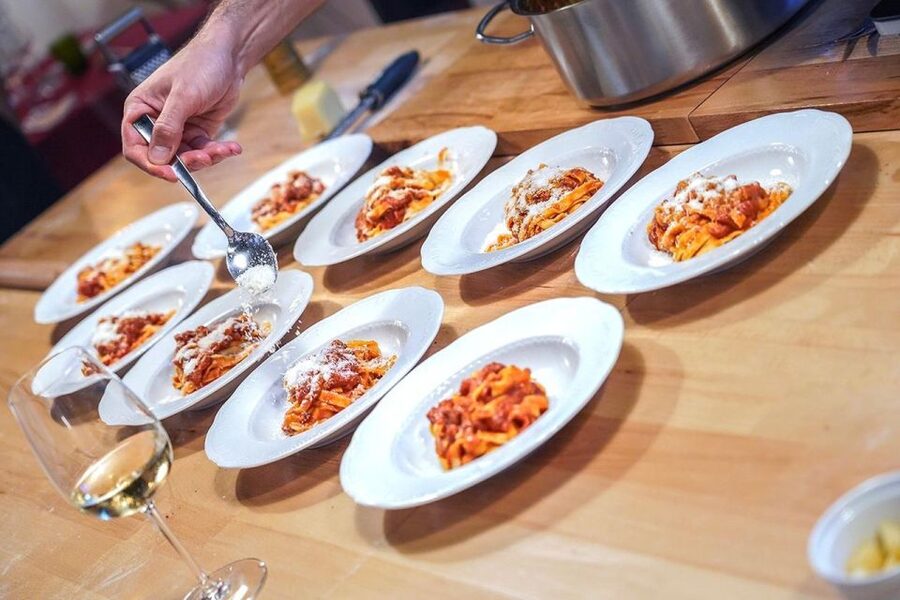
The chefs are the heart of this experience. Riccardo is described as warm, funny, and patient, while Leo has been praised for clear demonstrations and a lively manner. William has also been singled out for kindness and calm instruction. These personal qualities matter when your ravioli looks more like a folded envelope than a neat little parcel.
The class is offered in English and Italian. You should tell the provider about your preferred language when booking, but remember that a small group can include people with different languages. In one class, French was used for much of the explanation because of the other participants, and some translation was incomplete. That was the one clear language-related drawback in the feedback available for this experience.
If full English instruction is essential for you, a private class is the safer choice. In a shared class, you may still learn plenty, but some stories or side comments could be delivered in another language.
Ingredients, dietary needs, and private options
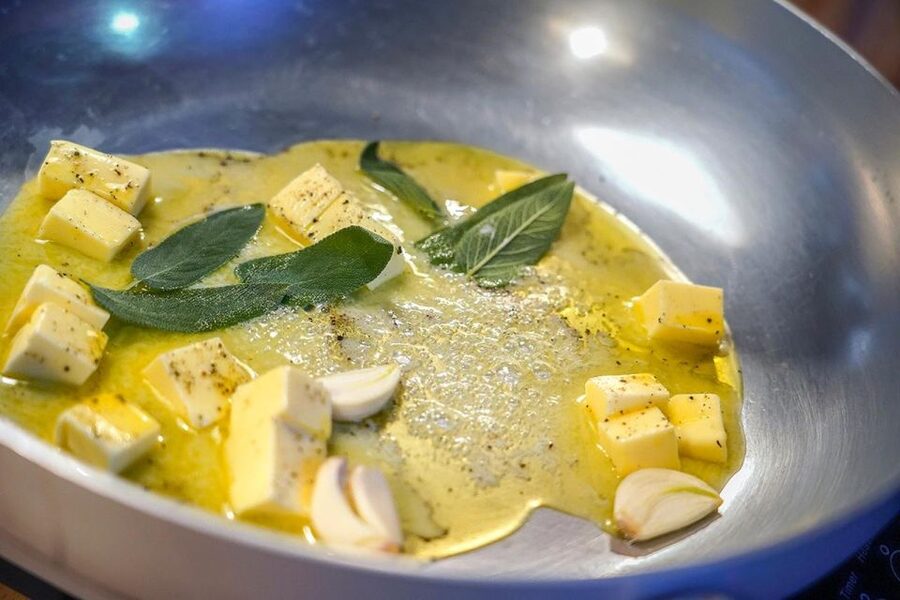
The class uses fresh, top-quality organic ingredients. That does not mean you are attending a specialist food market tour or a formal lecture on Roman produce. It means the cooking starts with ingredients chosen for the dishes being prepared, and the chefs explain what to look for when you shop at home.
Vegetarian menus are available. You must tell the provider about allergies, intolerances, dietary restrictions, or ingredients you cannot eat before the class. The standard group format may have limits, so do not wait until you arrive to mention an important restriction.
A private class offers more room to request special recipes or dietary changes. Possible private options include gnocchi, tiramisu, risotto, gluten-free pasta, dairy-free dishes, and vegan food. These are possibilities to arrange in advance, not guaranteed features of the standard small-group booking.
The menu is therefore best understood as flexible within limits. If you simply prefer vegetables or do not eat meat, the team can offer a suitable menu. If you need strict avoidance of several ingredients, a private booking deserves serious consideration.
Location and getting there
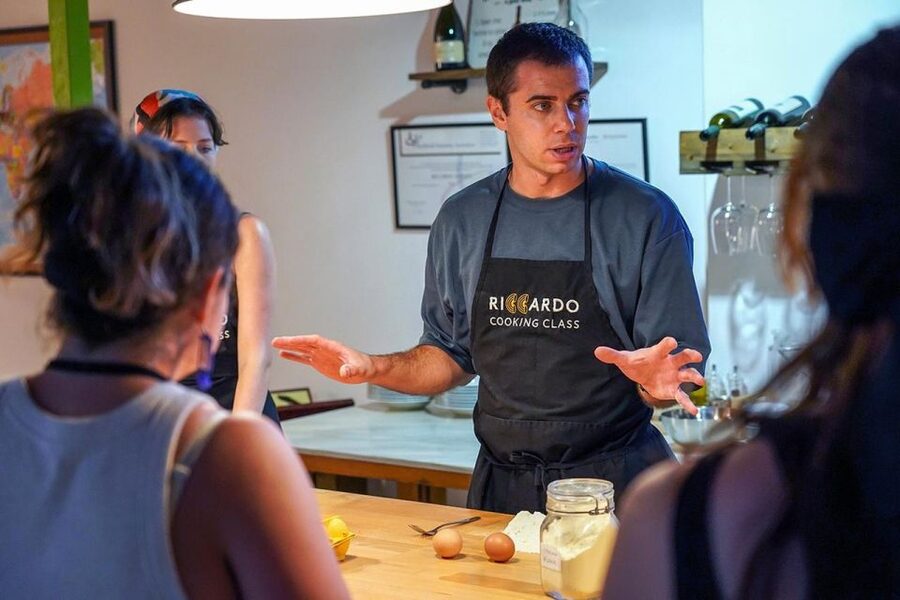
The Cooking Lab is at Circonvallazione Gianicolense 418, 00152 Rome, on a street near a cafe. The meeting point is not described as being beside the Colosseum, Trevi Fountain, or another major sightseeing stop, so allow time to reach the neighborhood.
Public transportation from central Rome has been described as easy by people who attended the class. Still, check your route and starting time before setting out. A late arrival could mean missing the first pasta demonstration, and that is the part of the lesson that helps everything else make sense.
The location may also be Riccardo’s grandmother’s house. That variation is central to the experience, so confirm the meeting details with your booking information rather than assuming every class takes place at the studio.
The venue is wheelchair accessible. The duration is three hours, and aprons are provided. These details make the class workable for many visitors, but cooking involves standing, moving around a work surface, and handling dough, so consider your own comfort.
Is the $97 price good value?
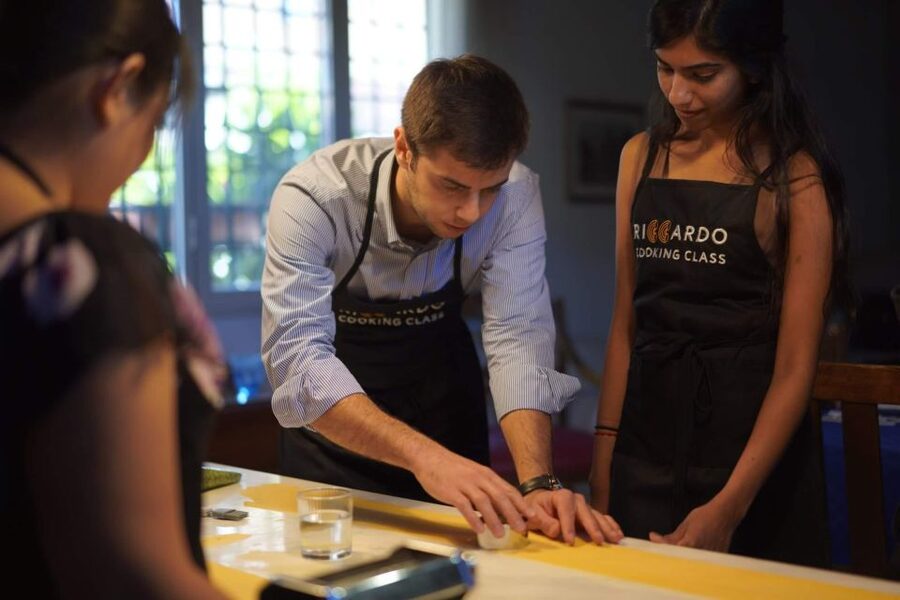
At $97 per person, the class is not the cheapest way to eat pasta in Rome. It is also not just a meal. The price includes three hours of instruction, pasta-making practice, quality organic ingredients, wine, aprons, and a three-course meal.
The value is strongest if you want to learn. A restaurant can serve you carbonara in minutes, but it cannot show you how to manage pasta dough, seal ravioli, or bring cheese and pasta water together for cacio e pepe. You also get recipes and techniques that can be used after your trip.
The price is less compelling if you mainly want a quick lunch or a polished chef demonstration. You will spend part of the session mixing, shaping, and waiting for different pasta to be ready. That work is the point, but it will not suit someone who wants to sit back.
The small group helps justify the cost. With no more than 10 people, the chef can involve everyone and make adjustments. The meal and wine also mean you are not paying $97 for a short lesson followed by another restaurant bill.
Who will enjoy this most?
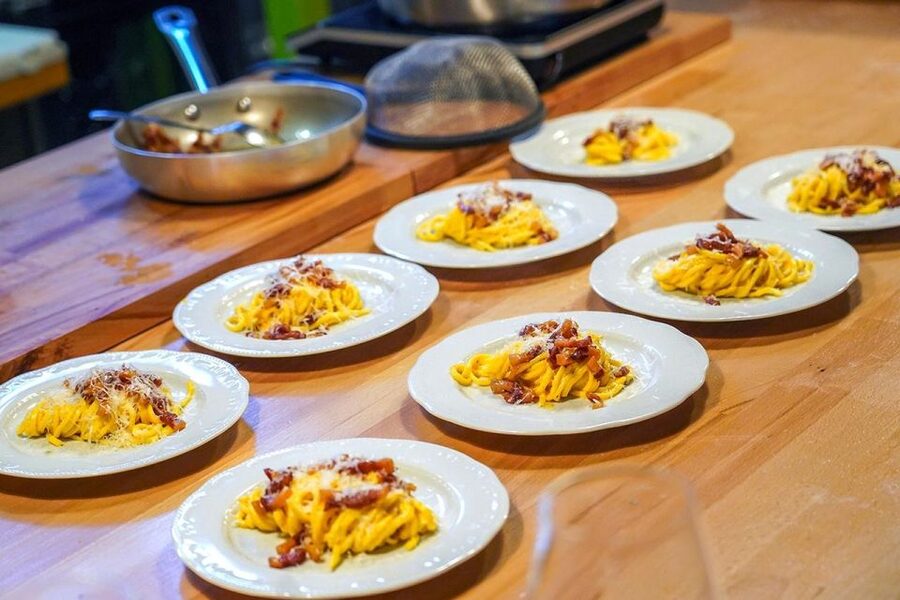
I would recommend this class to couples, families with older children, solo visitors who like meeting people, and anyone who wants a practical food memory from Rome. It works especially well for people who enjoy cooking but do not yet make fresh pasta at home.
It is also a smart choice for pasta fans who want to understand the difference between Roman dishes and versions served abroad. Carbonara made with guanciale and without cream can change your idea of the dish, while cacio e pepe shows how much skill can hide inside a short ingredient list.
You may want to skip it if you dislike group activities, have a very strict schedule, or want a single, specialized recipe. The class covers several pasta styles and sauces, so the pace is active and the menu may not be fully customized unless you book privately.
I would also avoid placing it on the final day of your trip if restaurant advice matters to you. Booking early lets you use the chefs’ suggestions during the rest of your time in Rome.
Should you book the Rome pasta class?
Book it if you want to make several kinds of pasta, eat a generous meal, and learn techniques you can use at home. The strongest reasons are the small group, the direct teaching from Riccardo and his team, the focus on Roman sauces, and the chance to turn your work into dinner.
Before paying, confirm the meeting point, the teaching language for your session, and any dietary needs. If you need special recipes or strict dietary control, ask about a private class. For most food-minded visitors, $97 is fair value for three hours of instruction, wine, and a full meal, especially when you want more from Rome than another restaurant table.
FAQ
How long does the pasta-making class last?
The class lasts three hours. Starting times vary, and one session ran from 11 a.m. to about 2 p.m.
Where does the class take place?
The class may meet at the Cooking Lab at Circonvallazione Gianicolense 418, 00152 Rome, near a cafe, or at Riccardo’s grandmother’s house.
Which languages are available?
Instruction is available in English and Italian. In a shared class, other languages may also be used by the chef when participants speak different languages.
How many people are in each class?
The class is limited to 10 participants.
What types of pasta might I make?
Possible pasta styles include ravioli, fettuccine, tortellini, cappelletti, spaghetti alla chitarra, and other handmade pasta shapes. The exact selection can vary.
Is food and wine included?
Yes. The experience includes a three-course meal, selected wine, and organic ingredients. Prosecco has also been served during some classes.
Can the class accommodate dietary restrictions?
You must provide details about allergies, intolerances, dietary restrictions, and ingredients you cannot eat. Vegetarian menus are available, while gluten-free, dairy-free, vegan, gnocchi, risotto, and tiramisu options may be arranged for private classes.
More Pasta Classes with Wine in Rome
- Rome: Pasta & Tiramisu Class with Fine Wine by the Vatican
★ 4.9 · 4,852 reviews - Rome Cooking Class: Make Pasta and 3 Spritz Cocktails
★ 5.0 · 2,937 reviews - Learn to Make Pasta & Tiramisu with Wine and Limoncello Included
★ 5.0 · 2,345 reviews - Fettuccine & Tiramisù: Cooking Class with Wine & Limoncello
★ 4.9 · 2,103 reviews
Recently added in Rome
- Trastevere Food Tour with Pasta-Making Class★ 5.0 · 5 reviews
- Traditional Pasta Cooking Class with Tiramisu Small Group★ 5.0 · 7 reviews
- Rome: Pasta and tiramisu class with wine pairing at Come Na Vorta★ 5.0 · 30 reviews
- Spritz and Pasta! Spritz, Fettuccine & Tiramisù★ 5.0 · 2 reviews
- The Pasta Factory Class★ 4.5 · 21 reviews
- Top Class in Fettuccine, Ravioli, and Tiramisu★ 5.0 · 7 reviews
- Private 4 Roman Pastas Tasting Tour in Rome★ 5.0 · 6 reviews
- Authentic Pasta and Tiramisù cooking class at spanish steps★ 4.5 · 14 reviews
Chef-Led Pasta Classes, compared.
Rome Cooking Class: Make Pasta, Dine & Drink Wine With Local Chef
Read our review →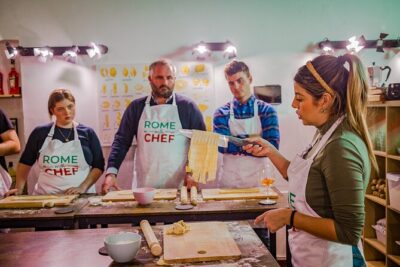
2-in-1 Pasta and Tiramisu Cooking Masterclass in Rome
Read our review →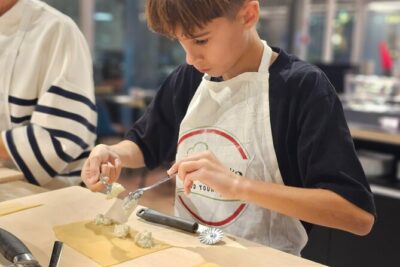
Pasta Fettuccine, Ravioli and Tiramisu MasterClass
Read our review →
Pasta and Pizza Master Class with Pick Up in Sorrento
Read our review →
Fettuccine and Tiramisu Masterclass in the Heart of Rome
Read our review →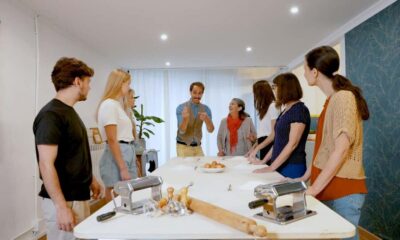
Homemade Pasta and Pesto Class with a Local Chef in Genoa
Read our review →