
REVIEW · TIRAMISU CLASSES
Rome: Cooking Class of fresh Pasta and Tiramisu Cake
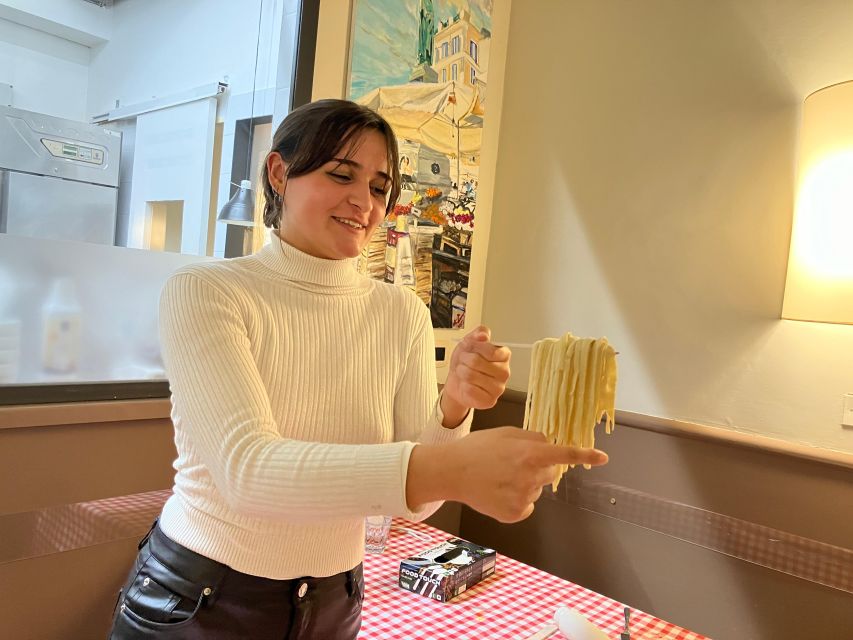
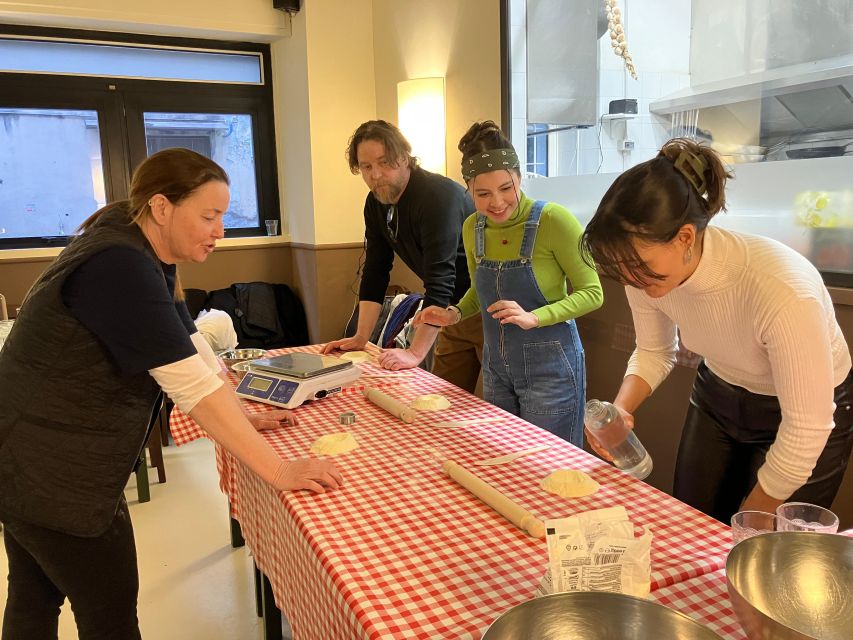
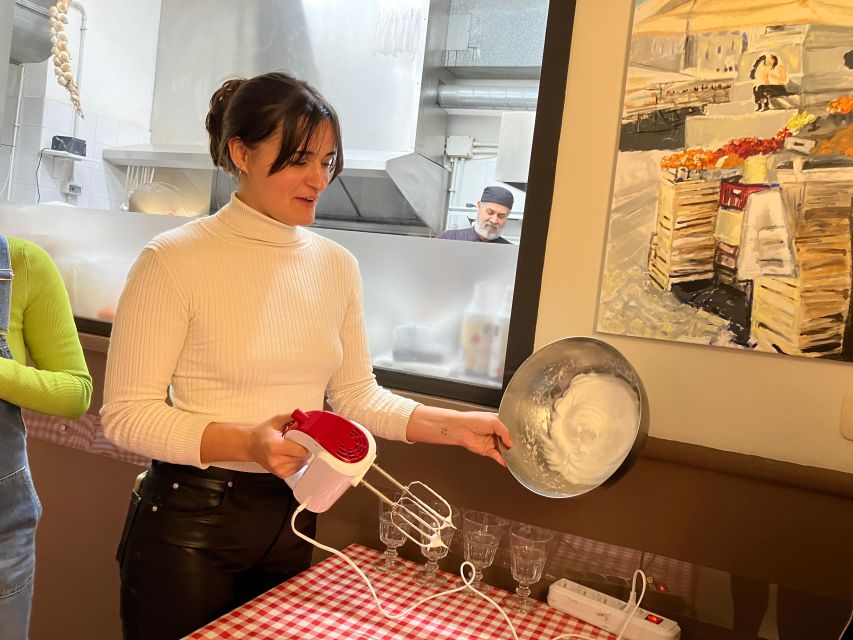
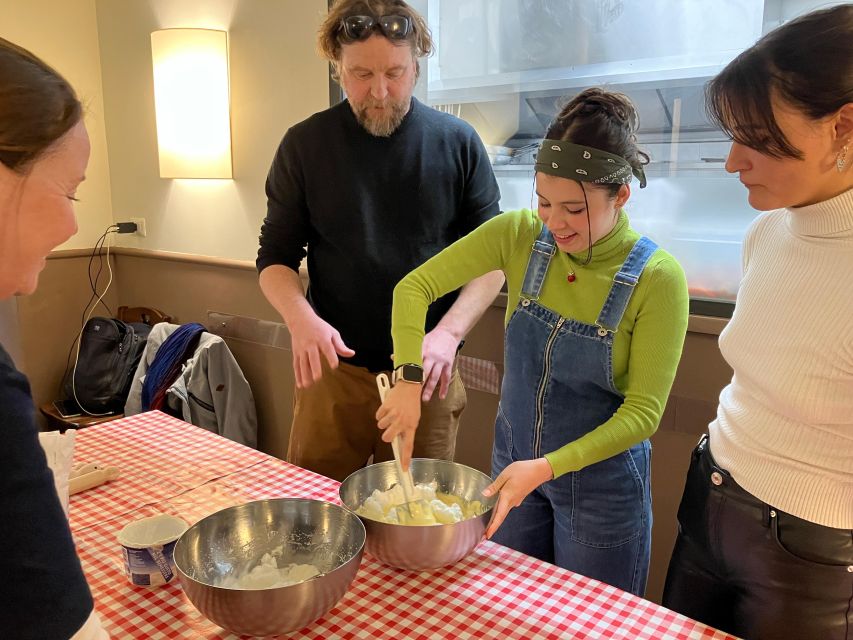
Fresh pasta and tiramisu are the heart of this hands-on Roman cooking class, held at Osteria San Giorgio. You do not simply watch a chef work. You knead, roll, cut, whip, mix, and then eat what you have made.
I like the practical recipes, which you can repeat at home, and the relaxed time spent learning about Italian food culture. The class costs $58 per person, a fair price for 2.5 hours of instruction, ingredients, utensils, food, and wine. The main drawback is dietary: this class is not suitable for vegans or people with gluten or lactose intolerance.
Key points to know
- You make both dishes yourself: Work through the full process for fresh pasta and tiramisu rather than watching a demonstration.
- The class lasts 2.5 hours: There is enough time to cook, ask questions, hear about Italian food customs, and eat the finished meal.
- English instruction is provided: Instructors have included Kris, Kristian, Luca, and Elisabeth.
- Your meal and wine are included: Sit down at the end and eat the pasta and tiramisu you prepared.
- Families can take part: A previous class worked well for children aged 6 and 10, who were able to do every step.
- The dietary limits matter: Gluten, lactose, and vegan requirements cannot be accommodated according to the activity details.
Making Roman Food Instead of Just Watching
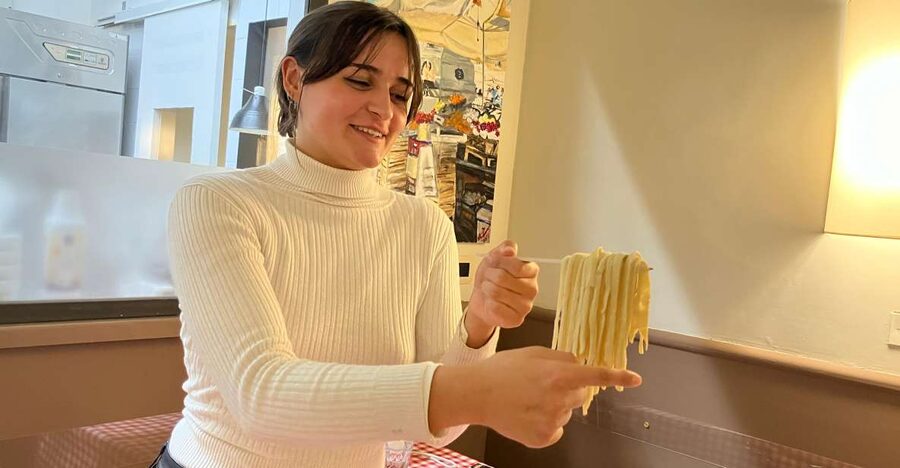
Many food classes give you a seat near the action and a small taste at the end. This one is built around doing the work. You learn how pasta dough changes under your hands, how to roll it thin, and how to cut it into usable pieces.
That distinction matters. A plate of pasta is easy to admire, but knowing how to make it gives the experience a longer life after your Rome trip. You can return home with a recipe and a method, not just a photograph of lunch.
The class also includes tiramisu, which gives you a nice contrast. Fresh pasta involves kneading, rolling, and cutting. Tiramisu involves whipping and mixing. You leave having prepared both a savory course and a dessert.
The class takes place at Osteria San Giorgio, an authentic Roman osteria. The setting fits the subject better than a sterile cooking studio would. You are learning food in a place associated with eating and sharing food, while the chef explains parts of Italian food culture along the way.
More Fresh Pasta Workshops in Rome
- Rome: Pasta Making Class with Wine, Limoncello, and Dessert
★ 4.9 · 3,177 reviews - Enjoy Spritz and Pasta Making in Piazza Navona
★ 5.0 · 1,681 reviews - Pasta Making & Wine Tasting with Dinner in Frascati from Rome
★ 5.0 · 1,326 reviews
What Happens During the 2.5 Hours
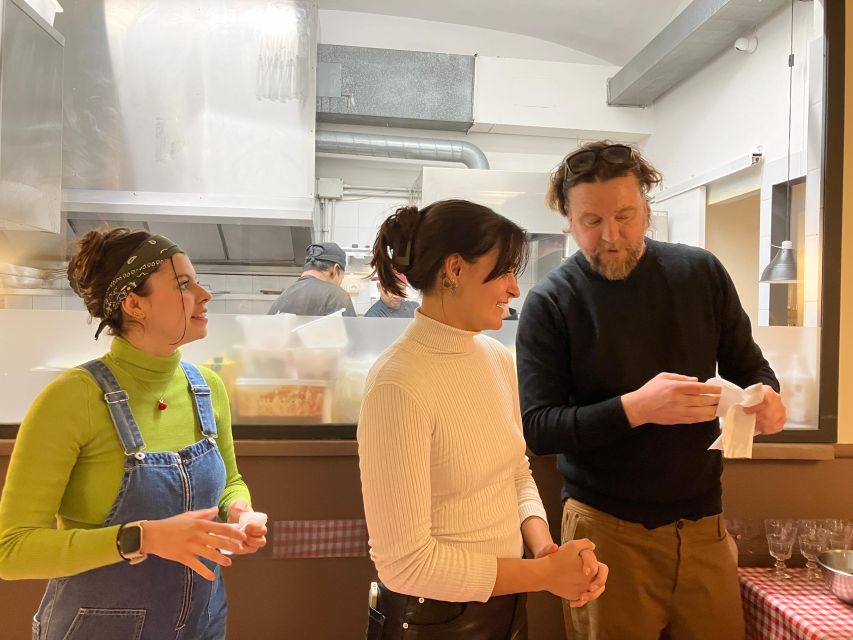
The class follows a straightforward rhythm. You begin by learning the ingredients and basic method, then work through the pasta step by step. The activity specifically focuses on kneading, rolling, and cutting fresh pasta, so expect to participate throughout rather than sit back.
Kneading is the first useful lesson. Pasta dough can look simple, but the texture tells you when it is ready. A good class helps you notice that texture instead of treating the recipe as a rigid list of times and measurements.
Next comes rolling. You learn how to turn the dough into sheets suitable for cutting. This is the point where the activity becomes especially useful for home cooking. You see how thin the dough should be and how to handle it without turning it into a sticky mess.
Cutting the pasta completes the main practical lesson. The class description does not specify the exact pasta shape or sauce, so you should not expect a particular Roman recipe unless your instructor explains it on the day. The important promise is the fresh pasta process itself.
The tiramisu portion uses a different set of skills. You whip and mix the ingredients to create the creamy dessert. Since tiramisu is familiar around the world, the value here is learning the proportions and sequence well enough to make it again at home.
The chef also talks about Italian food culture during the session. This adds useful context to the cooking. You are not only learning how to follow a recipe, but also hearing how food fits into everyday Italian life and the tradition of the osteria.
At the end, you sit down to eat the meal you made. A glass of wine is included, turning the final part into a shared meal rather than a quick sample at the worktable. That closing meal is one of the strongest features of the format because it gives the class a proper finish.
The Instructors and Teaching Style
Instruction is in English, and the class is led by a professional chef or instructor. Several instructors have led the activity, including Kris, Kristian, Luca, and Elisabeth, so the name of your chef may depend on the date of your booking.
The feedback attached to the class repeatedly points to the teaching style. Kris was described as an excellent instructor who made the experience fun. Kristian was praised for being friendly and creating a comfortable atmosphere. Luca worked especially well with a family whose children were 6 and 10 years old.
That family detail is useful. Cooking classes can be difficult for young children if the work is mostly technical or if the instructor expects long periods of quiet attention. Here, children were able to take part in every step, which suggests the active format can work well for families.
Another class was praised for patient and friendly instruction. That matters more than flashy cooking tricks. Fresh pasta takes a little time to understand, and a patient teacher can help you avoid frustration when the dough does not behave perfectly at first.
You should still remember that instructors can vary. The available names show that more than one chef may teach the class, so do not book it expecting a particular person unless that has been confirmed for your date.
What You Actually Learn About Fresh Pasta
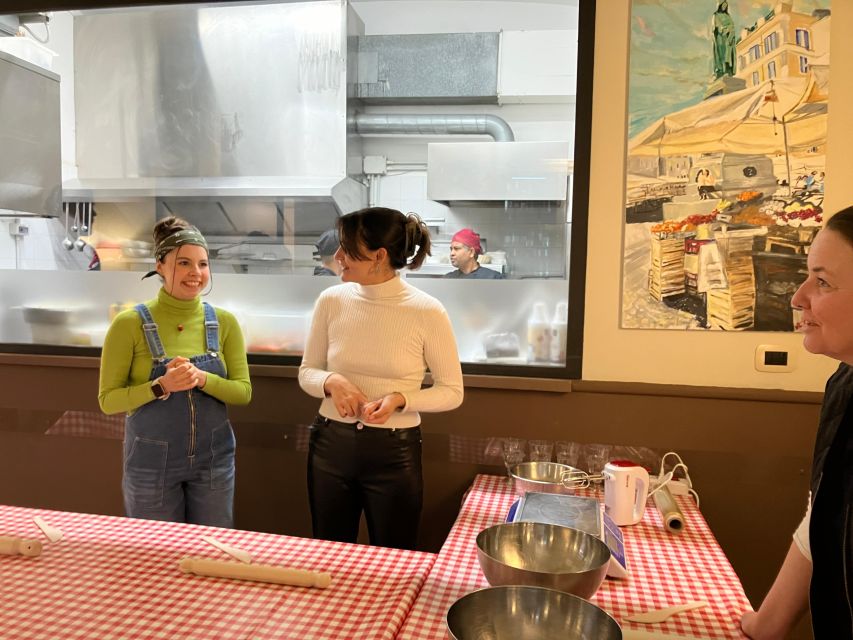
The pasta lesson is the main reason to choose this activity. You work through the process from dough to cut pasta, which gives you a clear sequence to remember later.
First, you learn to knead. This is where you build the dough and develop its texture. The hands-on approach lets you feel the difference between dough that needs more work and dough that is ready for rolling.
Then you roll the dough. This requires control rather than brute force. You learn how to create a thin sheet and handle it without damaging it. Even if you later use a pasta machine at home, the class gives you a useful sense of what the dough should look and feel like.
Finally, you cut the pasta. That step makes the lesson feel complete. You are not stopping at a half-finished dough ball. You produce pasta ready for the meal at the end.
The supplied details do not promise that you will learn several pasta shapes, a specific sauce, or advanced techniques. I would treat this as a solid introduction to fresh pasta rather than a professional culinary course. For most visitors, that is the right level. You get skills you can use at home without spending an entire day in a kitchen.
More Tiramisu Classes in Rome
- 3 in 1 Cooking Class near Navona: Fettuccine, Ravioli & Tiramisu
★ 5.0 · 7,376 reviews - Rome: Pasta & Tiramisu Class with Fine Wine by the Vatican
★ 4.9 · 4,852 reviews - Rome: 3-in-1 Fettuccine, Ravioli, and Tiramisu Cooking Class
★ 4.9 · 2,704 reviews - Learn to Make Pasta & Tiramisu with Wine and Limoncello Included
★ 5.0 · 2,345 reviews
Making Creamy Tiramisu
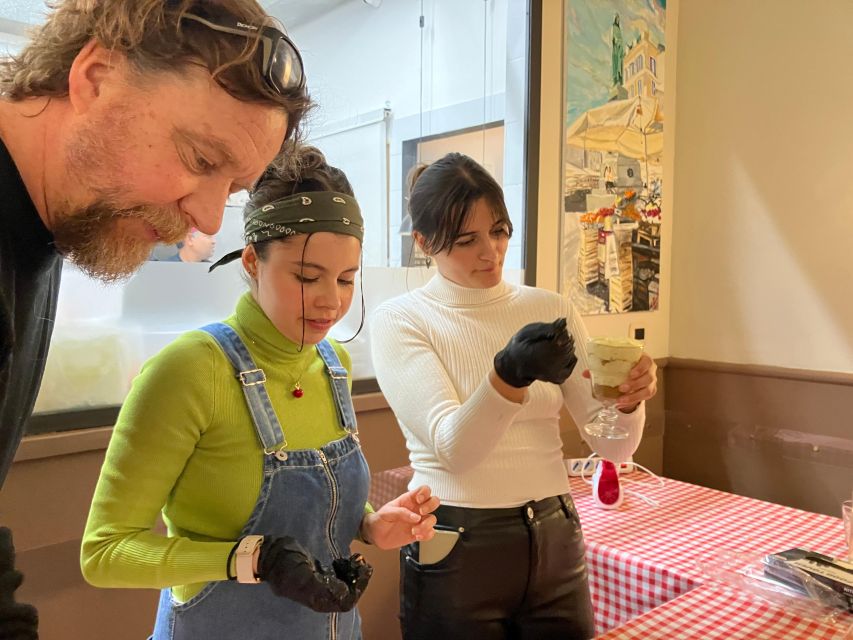
The dessert lesson is shorter in description but important in the overall balance of the class. You whip and mix the ingredients to create tiramisu, one of Italy’s best-known desserts.
I like the inclusion of tiramisu because it gives you something different to prepare. Pasta teaches dough handling and cutting. Tiramisu teaches a creamy mixture and dessert assembly. The two recipes keep the class from feeling like a single long pasta demonstration.
The activity promises a creamy result, but it does not list the exact ingredients or recipe variations. If you have a strong preference about the coffee, sweetness, or other elements, ask the instructor at the start.
You will also want to remember that tiramisu traditionally involves dairy ingredients, and the activity specifically says it is not suitable for people with lactose intolerance. This is not the place to assume that substitutions will be available.
Sitting Down to Eat Your Own Work
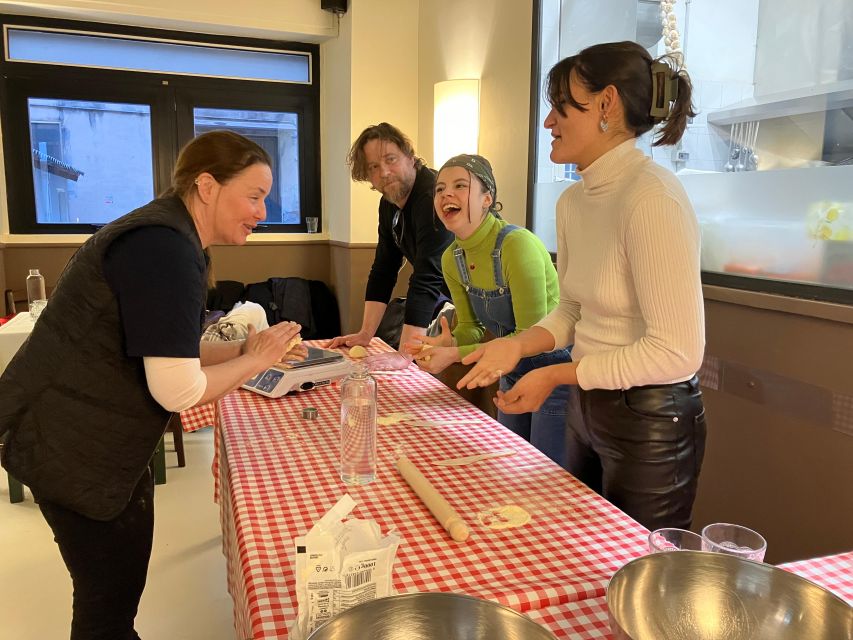
The final meal gives the class its social side. After spending time at the worktable, you eat the pasta and tiramisu you prepared, along with a glass of wine.
That meal is more satisfying than being handed a plate prepared entirely by someone else. You know the work behind it. Small imperfections become part of the experience, and you can see how simple ingredients turn into a complete meal.
The food quality is naturally tied to your group’s work and the chef’s guidance. One participant specifically found the food good, while another said the handmade meal was a highlight. The sensible expectation is not a restaurant tasting menu. It is a fresh meal that you help create and then enjoy in the same setting.
The wine is included, which improves the value of the $58 price. It also makes the final part feel more like an Italian meal and less like a school exercise. If you do not drink alcohol, the details do not say whether a substitute is available, so ask ahead.
Is $58 a Fair Price?
At $58 per person, this is a mid-priced cooking experience in Rome. The fee includes a professional instructor, all ingredients, all utensils, the food you prepare, and wine.
The value comes from the combination of instruction and meal. You are paying for 2.5 hours, not just for a plate of pasta. The class gives you several practical tasks, an English-speaking chef, cultural information, and recipes you can repeat at home.
The price makes more sense if you enjoy active experiences. If you only want to eat fresh pasta, a Roman restaurant may be cheaper or more convenient. If you want a story to bring home and a skill you can use again, the class offers more than lunch.
Families may also find the cost reasonable if children take part fully. The experience is not described as a separate children’s program, but a 6-year-old and a 10-year-old were able to do everything in one class. That makes the activity more useful than a demonstration where younger children simply watch adults cook.
Who Should Book This Class?
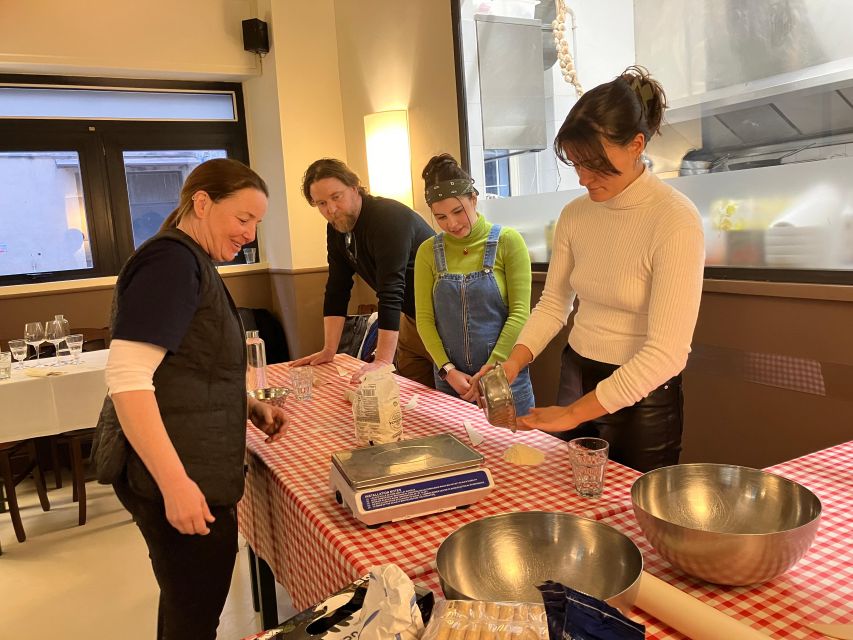
I would recommend this class to first-time visitors who want an easy introduction to Italian food culture. You do not need advanced cooking skills because the chef guides you through the basic movements.
It also suits couples, friends, and families who prefer a shared activity. The work is physical enough to keep you involved, but the 2.5-hour length is not excessive. You get a meal at the end, so you do not need to schedule a separate lunch or dinner around it.
The activity works particularly well for people who like taking practical memories home. You may forget the name of one Roman square, but you are less likely to forget how fresh pasta dough feels under your hands.
It is less suitable for serious food specialists looking for a long technical course. The available details do not promise advanced sauce work, multiple pasta shapes, market shopping, or a visit to a food producer. This is a focused beginner-friendly lesson in pasta and tiramisu.
It is also the wrong choice for vegans, people with gluten intolerance, and people with lactose intolerance. Those restrictions are listed clearly, and you should not assume that the kitchen can adapt the recipes.
Practical Details Before You Reserve
The meeting point is Osteria San Giorgio in Lazio. Check the exact starting time when you book because the activity offers different possible start times depending on availability.
The class is wheelchair accessible. That is useful information for visitors who need an accessible venue, though the cooking setup and individual workstation details are not specified. If you need a particular arrangement, confirm it before booking.
The activity is conducted in English. The instructor names vary, and the class has included Kris, Kristian, Luca, and Elisabeth. If having a particular chef matters to you, ask the provider rather than assuming one will lead every session.
You can cancel up to 24 hours in advance for a full refund. The reserve-now-and-pay-later option also lets you hold a place without paying immediately, which is helpful when your Rome schedule is still changing.
Should You Book It?
Book this experience if you want to make a Roman meal with your own hands, eat it afterward, and leave with recipes you can repeat at home. The strongest reasons are the active pasta work, the included tiramisu, the friendly teaching style associated with instructors such as Kris, Luca, Kristian, and Elisabeth, and the sensible 2.5-hour length.
Skip it if you have vegan, gluten-free, or lactose-free requirements, or if you want advanced culinary training. For everyone else, $58 is a fair price for instruction, ingredients, utensils, food, wine, and a useful memory that does not end when you leave Rome.
FAQ
Where does the cooking class take place?
The class takes place at Osteria San Giorgio in Lazio, Italy.
How long does the class last?
The cooking class lasts 2.5 hours.
What will I prepare?
You will learn to knead, roll, and cut fresh pasta. You will also whip and mix ingredients to prepare creamy tiramisu.
Is the class taught in English?
Yes. The listed language for the instructor is English.
Are food, ingredients, utensils, and wine included?
Yes. The price includes all ingredients, all utensils, the food you prepare, and a glass of wine.
Is the class suitable for children or people with dietary restrictions?
A previous class worked well for children aged 6 and 10, who were able to take part in every step. The activity is not suitable for vegans or people with gluten or lactose intolerance.
More Dessert Tastings in Rome
- Rome Cooking Class: Make Pizza and Pasta with Wine & Dessert
★ 4.5 · 651 reviews - Rome: Fresh Pasta Making and Tiramisu Dessert Master Class
★ 4.8 · 11 reviews - Fettuccine & Tiramisu Masterclass: Pasta & Dessert
★ 4.9 · 10 reviews - Rome: Pasta and tiramisu perfection class w/wine & dessert
★ 5.0 · 3 reviews
Recently added in Rome
- Trastevere Food Tour with Pasta-Making Class★ 5.0 · 5 reviews
- Traditional Pasta Cooking Class with Tiramisu Small Group★ 5.0 · 7 reviews
- Rome: Pasta and tiramisu class with wine pairing at Come Na Vorta★ 5.0 · 30 reviews
- Spritz and Pasta! Spritz, Fettuccine & Tiramisù★ 5.0 · 2 reviews
- The Pasta Factory Class★ 4.5 · 21 reviews
- Top Class in Fettuccine, Ravioli, and Tiramisu★ 5.0 · 7 reviews
- Private 4 Roman Pastas Tasting Tour in Rome★ 5.0 · 6 reviews
- Authentic Pasta and Tiramisù cooking class at spanish steps★ 4.5 · 14 reviews
Tiramisu Classes, compared.
3 in 1 Cooking Class near Navona: Fettuccine, Ravioli & Tiramisu
Read our review →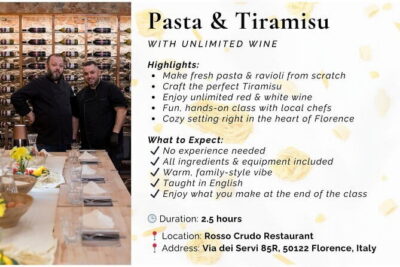
Pasta & Tiramisu Cooking Class with Unlimited Wine
Read our review →
Pasta & Tiramisu Class with Fine Wine by the Vatican
Read our review →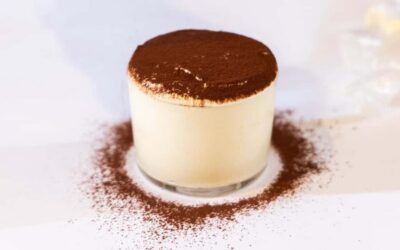
3-in-1 Fettuccine, Ravioli, and Tiramisu Cooking Class
Read our review →
Learn to Make Pasta & Tiramisu with Wine and Limoncello Included
Read our review →
Cooking Class Pasta & Tiramisu Making Unlimited Wine
Read our review →
Become a Masterchef in Rome: Pasta, Ravioli and Tiramisù Class
Read our review →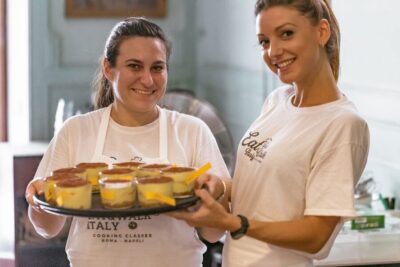
Fettuccine & Tiramisù: Cooking Class with Wine & Limoncello
Read our review →Browse the lists this class appears in