
REVIEW · HOME COOKING CLASSES
Ravioli & Tagliatelle Cooking Class at a Local’s Home in Positano
The best part of this Positano cooking class is not simply learning to roll pasta. You are welcomed into a family home in Montepertuso, where Emily, Genny, their mother, and other relatives share recipes passed down from their grandmother. You help gather ingredients from the garden, cook in the family kitchen, and eat the results with local wine and homemade limoncello.
I like the family setting and the fact that the class feels connected to everyday life rather than a restaurant demonstration. I also like the three-part menu: ravioli, tagliatelle, and tiramisu give you several useful recipes to take home.
The main point to consider is the location. The class is away from Positano’s beachfront, and the meeting point is Piazza Cappella, not the main shopping street. The hosts have helped arrange shared taxis for some groups, but you should plan your ride to Montepertuso before the class begins.
Key points at a glance

- Cook three Italian recipes: Make fresh ravioli, hand-cut tagliatelle, and tiramisu during a roughly three-hour class.
- Meet Emily and her family: Emily leads the lesson, while Genny, the family’s mother, and other relatives help create the welcoming atmosphere.
- Use garden produce: Tomatoes, vegetables, herbs, and other ingredients may come from the family garden.
- Eat with a view: The home in Montepertuso has a balcony and kitchen view over the Positano area and toward Li Galli.
- Expect a social class: Groups can reach 14 people, though several sessions described a smaller group of about 12.
- Plan transport carefully: Meet at Piazza Cappella, then return there when the experience ends. Shared taxi arrangements may help lower the cost.
From Piazza Cappella to a kitchen above Positano
The experience begins at Piazza Cappella, at the meeting point in Positano. From there, the setting changes quickly as you head toward Montepertuso, a higher part of the area where the host family lives.
The itinerary also names Li Galli, the small island group visible from parts of the Amalfi Coast. The supplied schedule does not describe a separate boat trip or sightseeing stop, so do not book this expecting a coastal excursion. The named locations help explain the setting and views rather than adding extra stops to the cooking lesson.
The home is the heart of the experience. You are not shown into a purpose-built cooking studio. Instead, you enter a family space tied to recipes, garden produce, and stories about cooking with a grandmother. That distinction matters if you want a personal introduction to local food traditions rather than a polished demonstration with little contact.
The class is offered in English, and Emily is described as speaking English very well. She explains the recipes, gives practical pasta-making tips, and shares stories about the family’s connection to the home and its food traditions.
More Ravioli and Gnocchi Classes in Positano:
- Small-Group Cooking Class in Positano: Gnocchi, Tiramisù & Drinks
★ 5.0 · 191 reviews - Forage Herbs, Make Grandma’s Ravioli & Tiramisù w Our Family
★ 5.0 · 63 reviews - Milk the Cow & Make Mozzarella and Gnocchi with Our Family
★ 5.0 · 36 reviews
The welcome: prosecco, local snacks, and garden produce
The class starts with an aperitif. Expect prosecco, salami, tarallucci, local cheese, and olives. This is not just a quick drink while you wait for the instructor. It sets the tone for a relaxed afternoon or evening, with everyone eating, talking, and getting acquainted before the dough appears.
The next appetizer is a simple caprese salad with fresh tomatoes and local mozzarella. Rocket and grilled vegetables may also be served, with produce picked from the family garden. The cooking itself is important, but this first course gives you a useful taste of the ingredients before you begin working with them.
I especially like the garden element because it connects the food to the place. You may pick vegetables with the family, then see them return to the table a short time later. That is a small detail, but it helps explain why Italian cooking often depends more on freshness and timing than on a long list of ingredients.
The meal can be generous. Salami, cheese, olives, salad, grilled vegetables, two pasta dishes, dessert, wine, and other drinks add up to much more than a light snack. If you have a late class, arrive ready for a full meal rather than planning a large dinner immediately afterward.
Making ravioli with ricotta, vegetables, or meat
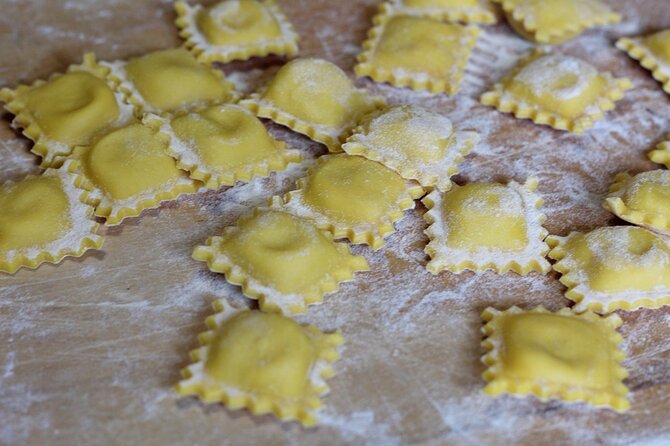
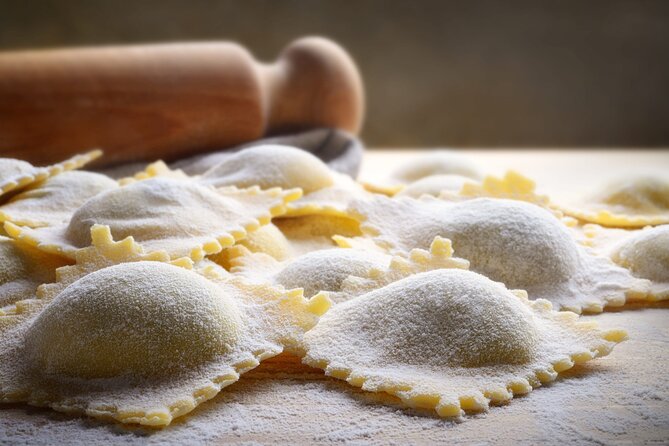
The first main lesson focuses on ravioli. You make the pasta dough together, roll it out, and fill it with ingredients chosen with the group. The listed options include ricotta, vegetables, or meat.
This is the hands-on part of the class where patience helps. Fresh pasta dough needs teamwork, especially when several people are rolling and stretching it. One account describes the dough becoming so long that the group had to work together to manage it. That is the kind of practical moment you will remember, and it makes the lesson more useful than watching someone else do everything.
Emily’s role is less about giving a formal lecture and more about guiding you through the work. You should expect tips on making pasta properly, along with help when the dough is too thick, too dry, or difficult to handle. The class is designed for fun, so you do not need advanced cooking skills.
The filling can be adjusted to the group’s preferences from the options offered. If you have dietary needs, ask before booking or contact the provider in advance. The supplied details show some ingredient choices, but they do not promise full accommodation for every allergy or diet.
Once the ravioli are shaped and cooked, you eat them as part of the meal. This makes the lesson practical: you learn a method, then immediately see how the finished pasta should look, taste, and feel.
Rolling and cutting fresh tagliatelle
The second pasta course is tagliatelle, described in the menu as noodles or handmade fresh pasta. This gives you a different lesson from ravioli. Instead of filling and sealing individual pieces, you work with a larger sheet of dough and cut it into ribbons.
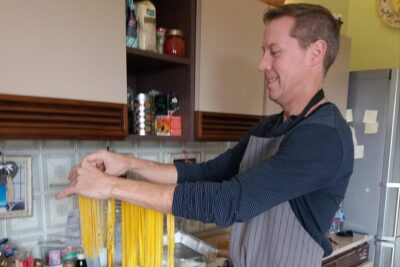
For anyone hoping to repeat the class at home, tagliatelle may be the most approachable recipe. You can make it with a pasta machine or by hand, depending on the technique the family demonstrates. The class aims to show how to prepare good pasta with fresh ingredients, not just how to follow a fixed restaurant recipe.
Sauce and ingredients are tied to what is fresh and available. The information provided does not specify one single sauce, so expect the final preparation to follow the family’s traditional approach rather than a rigid published menu. The vegetables and other produce from the garden help keep the meal connected to the season.
The class moves at a social pace. Some sessions have included singing, dancing, wine, and plenty of conversation while the pasta is being made. If you prefer a quiet, highly technical workshop, this may feel loose. If you like cooking with other people and learning through doing, the easygoing style is likely a strength.
More Home Cooking Classes in Positano:
- Private Pasta & Tiramisu Class at a Local’s Home in Positano
★ 3.5 · 3 reviews - Pastamama, Home Cooking Classes at Grace’s Home
★ 5.0 · 521 reviews - Small Group Pasta and Tiramisu Class at Local’s Home in Venice
★ 4.5 · 236 reviews - Catania: Pistachio Ravioli, Pasta Home Cooking Class w/ Wine
★ 4.7 · 204 reviews
Tiramisu from a grandmother’s recipe
The dessert lesson is tiramisu, based on an old family recipe. It is a welcome choice because it gives you something sweet and familiar after the pasta work, and it adds a no-pasta recipe to your collection.
The family connection matters here. Emily links the tiramisu and pasta recipes to her grandmother, so the class is also about how recipes move through generations. You are not simply making a standard dessert from a printed card. You are hearing why these dishes matter to the family and how they have been prepared at home.
The class includes a tiramisu tasting at the end of the meal. Recipes are provided afterward in a PDF, according to the supplied details, and some groups have received recipes for more than the dishes they prepared. That is a useful benefit if you want to recreate the meal at home rather than leave with only photographs.
The meal, wine, and family stories
After the work is done, you sit down to eat the food you helped prepare. The meal includes wine, and the welcome may also include prosecco and the family’s homemade limoncello. The drinks are part of the social setting, so anyone who does not drink should make that clear to the hosts and enjoy the food and conversation instead.
The family’s stories are a major part of the experience. Emily talks about her grandmother, the family’s roots in the area, and the way cooking traditions have been carried forward. Genny and the family’s mother also help create the feeling of a shared household meal.
That family involvement is one of the strongest reasons to choose this class. You are not only learning how to mix flour and eggs. You are seeing how pasta fits into family life, celebrations, gardens, and long meals around a table.
The balcony views add another layer. From the family villa, you can look across the Positano area and toward Li Galli. The view is especially valuable because it comes while you are eating in a private home, not while standing in a crowded photo spot. Bring a phone, since photos and videos may be taken during the experience and shared by WhatsApp afterward.
Group size and the social side of the class
The official maximum is 14 people. Several descriptions place the group at about 12, which is small enough for hands-on work but large enough to create a lively table.
A group of this size affects the class in two ways. First, you may need to share counter space and take turns with parts of the dough. Second, you meet people from different places and end up cooking as a temporary group rather than as a private couple or family.
The class is suitable for children, and the relaxed format can work well for families. Still, young children will need to stay involved and supervised around food preparation. The experience includes group cooking and a full meal, not a separate children’s activity.
Couples, families, and solo bookers who enjoy meeting people should find the format easy to join. The hosts have also helped coordinate shared taxis between participants, which can turn the ride into part of the social experience and reduce the transport cost.
Is $181.41 a fair price?
At $181.41 per person, this is not a bargain pasta lesson. The value comes from the amount included: about three hours, three recipes, a full meal, aperitif items, wine, prosecco, garden produce, family hosting, and the setting in Montepertuso.
You are also paying for a small-scale home experience rather than only instruction. A restaurant class may give you a more formal kitchen and a tighter teaching structure, but this one offers access to family stories, a private home, a garden, and a view that would be difficult to reproduce in a standard cooking school.
The price makes more sense if you treat the experience as both lunch or dinner and a cultural activity. If your main goal is to master pasta technique at the lowest possible cost, you can find cheaper lessons. If you want food, conversation, scenery, and a personal connection to Positano, the package is stronger.
The class is often reserved well ahead, with an average booking time of about 77 days. That is useful planning information for a trip during a busy season. I would book it early if the date matters, especially since the maximum group size is limited.
Practical details before you book
The activity lasts around three hours and is conducted in English. It starts and ends at Piazza Cappella in Positano, although the cooking takes place in the family home in Montepertuso.
Allow time for the transfer up to the home. The supplied information does not include a standard transport service in the tour price, but the hosts have helped arrange shared taxis for some groups. Ask about the current meeting and transport process before the day of the class.
The experience requires good weather. Since the home, garden, and outdoor views are part of the setting, poor weather may lead to a different date or a full refund. The class also requires a minimum number of participants, so a cancellation for that reason comes with the option of another date or a refund.
Free cancellation is available up to 24 hours before the start time. After that point, the amount paid is not refunded, and changes made within 24 hours are not accepted.
Who will enjoy this Positano cooking class?
I would choose this class if you want an experience built around people as much as food. It suits anyone who likes family stories, long meals, local ingredients, and the chance to cook with a group.
It is especially good for:
- Couples looking for a memorable meal with a strong sense of place
- Families who want an activity children can join
- Pasta lovers who want recipes to repeat at home
- Visitors who have already seen the busy center of Positano and want time in Montepertuso
- Anyone who prefers a home kitchen to a formal restaurant classroom
I would think twice if you dislike group activities, do not want a substantial meal, or need a tightly timed culinary workshop. The atmosphere is warm and informal, not clinical. You will learn, but you will also talk, eat, laugh, and possibly sing.
Should you book it?
Yes, if you want more than a pasta demonstration. The combination of ravioli, tagliatelle, tiramisu, garden ingredients, family stories, wine, and Montepertuso views gives the class real character.
Book it early, confirm how you will reach Piazza Cappella and the family home, and tell the host about any food restrictions. For a visitor who wants to connect Positano with home cooking rather than just admire it from the street, this is a strong choice.
FAQ
Where does the cooking class take place?
The cooking takes place in a local family home in Montepertuso, above Positano. The meeting point and return point are Piazza Cappella in Positano.
How long does the experience last?
The class lasts approximately three hours.
What dishes will I make?
You will make two kinds of fresh pasta, ravioli and tagliatelle, followed by tiramisu. The ravioli filling may include ricotta, vegetables, or meat, with the ingredients chosen with the group.
Is the class offered in English?
Yes. The experience is offered in English, and Emily is described as speaking English very well.
Is the class suitable for children?
Yes. The activity is listed as suitable for children.
How many people can join?
The maximum group size is 14 people. Some sessions have had approximately 12 participants.
What happens if the weather is bad?
The experience requires good weather. If it is canceled because of poor weather, you will be offered another date or a full refund.
Recently added in Positano
- Pasta and Tiramisù class with a panoramic view of Sorrento★ 5.0 · 10 reviews
- Milk the Cow & Make Mozzarella and Gnocchi with Our Family★ 5.0 · 36 reviews
- Private Pasta & Tiramisu Class at a Local’s Home in Positano★ 3.5 · 3 reviews
- Cooking lesson: tagliatelle, mozzarella and tiramisu★ 5.0 · 11 reviews
- Amalfi: lezione di cucina su pasta, mozzarella e tiramisù★ 5.0 · 9 reviews
- Hands-on Pasta Making Class near the Amalfi Coast with Rosanna★ 5.0 · 3 reviews
- Amalfi: pasta fresca, mozzarella e tiramisù★ 5.0 · 16 reviews
- Pasta & Tiramisù: Cook, Lunch & Beach Day in Amalfi Coast!★ 5.0 · 12 reviews
Home Cooking Classes, compared.
Pastamama, Home Cooking Classes at Grace’s Home
Read our review →
Small Group Pasta and Tiramisu Class at Local’s Home in Venice
Read our review →
Pistachio Ravioli, Pasta Home Cooking Class w/ Wine
Read our review →
Cesarine: Small group Pasta and Tiramisu class in Varenna
Read our review →
Cesarine: Small group Pasta and Tiramisu with Mamma in Lucca
Read our review →
Cesarine: Small group Pasta and Tiramisu class in Bologna
Read our review →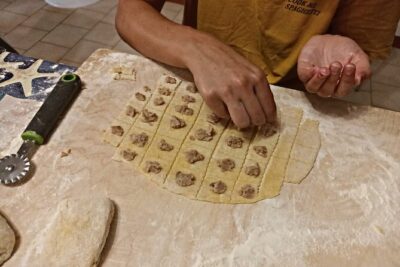
Authentic Bologna Home Cooking Class: Tagliatelle & Tortellini
Read our review →
Alghero Home Cooking Pasta Class at a Farmhouse with Wine
Read our review →Browse the lists this class appears in