
REVIEW · PESTO MAKING CLASSES
Naples: Making ravioli and scialatielli with fresh pesto and wine
Pasta here is more than lunch. At Vinecò Restaurant, you spend two hours turning basic ingredients into ravioli and scialatielli, while the kitchen team explains how pasta developed in Campania through old photographs and written documents. You also make tomato sauce with tomatoes from Vesuvius, which gives the lesson a clear local link.
I like the hands-on cooking and the easygoing teaching style. You are not simply watching a chef work. You shape, fill, cut, and cook the pasta yourself. I also like the combination of food and culture, especially the visual material about pasta’s past. The main consideration is timing: one recent session began 30 minutes late and finished about three hours after it started, so do not schedule a tight evening plan afterward.
Key Points Before You Book
- Make your own ravioli: The filling combines ricotta with fresh basil pesto.
- Work with local ingredients: The tomato sauce uses tomatoes from Vesuvius.
- Learn beyond the recipe: Photos and documents explain the development and origins of pasta.
- Expect a warm teaching style: Olga, Francesco, Maurizio, and Vincenzo are among the instructors associated with recent sessions.
- Good for mixed ages: Families, couples, solo visitors, and older participants can all take part.
- Strong value at $39: Tools, disposable aprons, ingredients, instruction, the food you prepare, and wine are included in the activity.
Starting at Vinecò Restaurant in Campania
The class begins at Vinecò Restaurant, the listed meeting point. Since the activity is built around cooking rather than sightseeing, you will want to arrive ready to work at a table and follow instructions.
The price is $39 per person, which is fair for a two-hour food activity in Naples. You receive the equipment, disposable apron, ingredients, cooking instruction, and the chance to eat what you make. That is better value than a simple tasting because you leave with a skill you can repeat at home.
The class is offered in Italian and English. That matters in a cooking lesson, where a small misunderstanding can turn a neat pasta fold into a floury accident. English-speaking instructors have been praised for clear explanations and a relaxed manner, and the team includes multilingual staff.
The activity is wheelchair accessible. The available information does not give details about the room layout or the exact cooking stations, so if you need a particular setup, contact the provider before booking.
More Ravioli and Gnocchi Classes in Naples
- Naples Pasta Class: Fettuccine & Ravioli with Grandma’s Recipe
★ 5.0 · 506 reviews - Cooking Class – Gnocchi like an Italian Grandma
★ 4.9 · 20 reviews - Naples Hands-on Cooking Class: Gnocchi, Ravioli, Tiramisu & Wine
★ 4.5 · 18 reviews
Making Ravioli With Ricotta and Basil Pesto
The main task is fresh ravioli filled with ricotta and pesto made with basil leaves. This is a good choice for a first pasta class because the filling is familiar, but the shaping still gives you something to learn.
You will handle the dough and work through the basic steps of pasta preparation. The tools and ingredients are provided, so you do not need to bring special equipment. Disposable aprons are also supplied, a small but useful touch when flour, sauce, and enthusiasm begin to spread across the table.
The value here is in learning the feel of the dough and the rhythm of the work. A recipe can tell you how much flour to use, but a person beside you can show you whether the dough needs more handling or whether you are pressing too hard around the filling.
Olga has received especially strong praise for her patience, humor, and clear guidance. Other sessions have featured Francesco, Maurizio, and Vincenzo, with a teaching style that is described as energetic and welcoming. The exact instructor may vary, so do not book around one particular chef unless the provider confirms it.
The finished ravioli is cooked and eaten during the activity. That gives you a useful reward at the end, but it also lets you see how your pasta holds together after all the folding and cutting.
Shaping Scialatielli and Other Pasta
The class also focuses on scialatielli, a pasta associated with Campania. It gives the session a local character that a basic spaghetti lesson would not have.
You are not only learning the name of the pasta. You are working with a shape that feels different from ravioli and helps you understand how fresh pasta can take several forms. The contrast is useful: ravioli depends on filling and sealing, while scialatielli puts more attention on cutting and handling the dough.
The precise menu can vary. The advertised experience centers on ravioli and scialatielli, while one session included tagliatelle and tiramisu instead of every listed item. Another class included fettuccine and tiramisu. If making scialatielli is the main reason you are booking, confirm the day’s exact menu in advance.
That variation may disappoint someone expecting a fixed cooking syllabus. At the same time, it can be a pleasant bonus if the kitchen adds another pasta or dessert. The important point is to treat the menu as a cooking session built around fresh pasta, not as a rigid restaurant tasting.
Tomato Sauce With Tomatoes From Vesuvius
The tomato sauce brings Campania onto the plate. The class uses tomatoes from Vesuvius, giving you a chance to connect a simple sauce with the food culture of the area around Naples.
This is one of the more useful parts of the lesson because tomato sauce looks easy until you try to balance it. You can watch how the ingredients come together, then taste the result with pasta you prepared yourself.
The experience does not provide a separate visit to Mount Vesuvius. The connection is through the ingredient, not a landscape tour. If you are looking for volcano views or a trip outside Naples, this is the wrong activity. If you want a local food reference without leaving the restaurant, it fits well.
The cooking also helps explain why Italian food often depends on a short ingredient list. Good tomatoes, fresh basil, ricotta, and pasta provide most of the flavor. You get a practical lesson in restraint rather than a long list of complicated techniques.
More Pesto Making Classes in Naples:
- Homemade Pasta and Pesto Class with a Local Chef in Genoa
★ 5.0 · 305 reviews - Genova: Homemade Pasta & Pesto Local Chef Class with Wine
★ 5.0 · 217 reviews - Pasta, Pesto and Tiramisu class Riomaggiore, Cinque Terre
★ 5.0 · 57 reviews - Levanto, Cinque terre: Fresh Pasta and Pesto cooking class
★ 5.0 · 46 reviews
Pasta’s Origins Explained Through Photos and Documents
Between the cooking tasks, the team explains the history and development of pasta with images and written records. This is an unusual feature for a short cooking class, and it gives the activity more purpose than simply following a recipe.
The lesson presents pasta as deeply tied to Campania and Naples. The photographs and documents help show how pasta changed over time, so you can place the food in a wider cultural setting while your hands are still busy with dough.
Do not expect a full academic lecture. The class lasts two hours, and most of that time is practical. Think of the historical material as a compact food lesson that breaks up the cooking and gives you context for what you are making.
Some content may be shown in its original language. The instructors speak Italian and English, but not every piece of visual material is necessarily translated in full. That should not prevent you from following the cooking, though it may matter if the historical presentation is your main reason for booking.
Wine, Food, and a Generous Finish
Wine is part of the experience, and it is served as you finish the cooking and sit down to eat. The combination works well: you learn a few techniques, then share the results in a restaurant setting rather than packing up and leaving with uncooked dough.
The portions may be generous. One session produced more food than two people could comfortably eat, so arrive hungry but do not plan a large meal immediately afterward. The menu can also include tiramisu in some sessions, adding a dessert course beyond the advertised pasta focus.
This is not a wine tasting, and the activity does not present a formal study of Campania’s wines. Wine is there as part of the meal and social side of the class. Alcohol and drugs are not allowed as general conditions of the activity, so the wine service should be understood as controlled and connected to the meal.
Dietary needs may be accommodated. One couple received help with a dietary restriction, but you should tell the provider before the class rather than waiting until ingredients are on the table. No full list of alternative menus is provided.
The Teaching Style and Pace
The strongest part of this activity is the people leading it. Olga is repeatedly singled out for being funny, patient, and approachable. Francesco and Maurizio have also been credited with making the session lively, while Vincenzo and Francesco have helped create a family-kitchen feel.
That matters because pasta making can become frustrating when the instructions move too fast. Here, the teaching style appears to favor encouragement and simple directions. You can ask for help, watch a demonstration, then try the step yourself.
The pace is not always perfectly controlled. One class started 30 minutes late and ended roughly three hours after the beginning, despite the advertised two-hour duration. That may have been an isolated scheduling issue, but you should leave room around the class, especially if you have a train, theater booking, or dinner reservation afterward.
The late finish is the clearest drawback in an otherwise highly praised experience. A cooking class naturally runs on the group’s pace, and food needs time to be prepared and eaten. Still, the provider should be able to keep the start time and menu expectations clear.
Who Will Enjoy This Class Most
This is a good fit for families because the activity welcomes younger and older participants. The work is active without requiring advanced cooking ability, and the instructors can guide beginners through the basic steps.
Couples will find it easy to share, especially if they enjoy eating what they make rather than simply collecting another photograph. Solo visitors can also fit in well because the class is social and the cooking gives everyone an immediate common task.
It is especially useful for you if you have never made pasta before. The experience teaches a method you can repeat at home, and the ingredients are familiar enough that you can focus on technique.
Experienced home cooks may find the basic steps simple. Even so, the Campania focus, scialatielli, pasta documents, and local tomatoes give the session more character than a generic pasta demonstration.
Practical Planning and Cancellation
The duration is listed as two hours, but allow extra time in case the session runs late. The food is prepared and eaten during the class, so the end time can depend on the group’s pace and the kitchen’s schedule.
You can cancel up to 24 hours before the activity for a full refund. The reserve-now, pay-later option also helps if your Naples plans are still shifting.
The meeting point is Vinecò Restaurant in Campania. The available details do not provide a transfer service, hotel pickup, group size, or a precise neighborhood description, so check the booking information carefully for the exact meeting instructions.
The class is wheelchair accessible, and instruction is available in Italian and English. Some historical material remains in its original language, which is worth knowing if you want to follow every document closely.
Is the Naples Pasta Class Worth $39?
Yes, I would book it if you want a practical food activity with a local angle. For $39, you receive instruction, ingredients, equipment, an apron, the dishes you prepare, and wine. That makes the price reasonable, particularly when compared with a simple restaurant meal that teaches you nothing about the food.
Book with two cautions. First, confirm whether your session will include scialatielli, since the menu has varied between pasta shapes and may include tiramisu. Second, keep your schedule open after the class because at least one session ran well beyond the stated two hours.
If you need a tightly timed activity or a formal culinary course, this may frustrate you. If you want to make fresh pasta, laugh with an encouraging kitchen team, learn a little about Campania’s pasta tradition, and eat a generous meal afterward, it is a strong choice in Naples.
FAQ
Where does the pasta-making activity meet?
The meeting point is Vinecò Restaurant in Campania, Italy.
How long does the activity last?
The advertised duration is two hours. You should allow extra time because one session started 30 minutes late and finished about three hours after the scheduled beginning.
What pasta will I make?
The advertised class focuses on ravioli and scialatielli. The ravioli is filled with ricotta and fresh basil pesto.
Will I make tomato sauce?
Yes. The activity includes making tomato sauce with tomatoes from Vesuvius.
Is wine included?
Wine is served as part of the experience and meal.
What languages are spoken?
The instructors speak Italian and English. Some content is shown in its original language.
Is the activity wheelchair accessible?
Yes, the activity is listed as wheelchair accessible.
Can I cancel for a refund?
Yes. You can cancel up to 24 hours in advance for a full refund. You can also reserve now and pay later.
More Pasta Classes with Wine in Naples
- Naples: Pasta, Wine & Authentic Food Tour
★ 4.8 · 5 reviews - Florence: Pasta Cooking Class with Unlimited Wine
★ 4.9 · 10,285 reviews - Florence: Pasta & Tiramisu Cooking Class with Unlimited Wine
★ 4.9 · 6,708 reviews - Florence: Pasta Cooking Class with Unlimited Wine
★ 5.0 · 6,413 reviews
Recently added in Naples
- Naples Hands-on Cooking Class: Gnocchi, Ravioli, Tiramisu & Wine★ 4.5 · 18 reviews
- Pasta Fresca Gnocchi and Ravioli a Napoli★ 5.0 · 2 reviews
- Private Pasta & Tiramisu Class at a Cesarina’s home with tasting in Ercolano★ 5.0 · 2 reviews
- Private Fettuccine Alfredo and Ravioli Class Grandma recipe★ 4.0 · 2 reviews
- Neapolitan pasta homemade Cooking Lesson★ 4.5 · 4 reviews
- Private Italian Pasta Masterpieces Class: Ravioli, Tortellini and Fettuccine★ 5.0 · 8 reviews
- Homemade Pasta And Seafood Cooking Class with Dinner★ 5.0 · 5 reviews
- Discovering Gragnano PGI pasta and the Valle dei Mulini★ 5.0 · 3 reviews
Pesto Making Classes, compared.
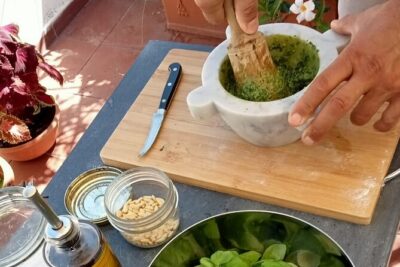
Homemade Pasta and Pesto Class with a Local Chef in Genoa
Read our review →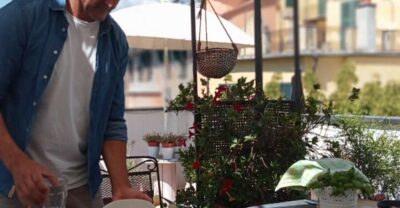
Homemade Pasta & Pesto Local Chef Class with Wine
Read our review →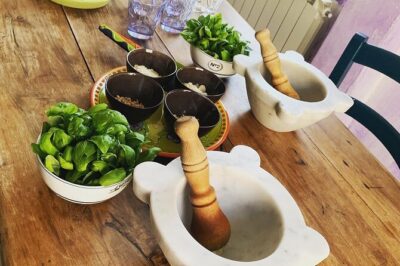
Pasta, Pesto and Tiramisu class Riomaggiore, Cinque Terre
Read our review →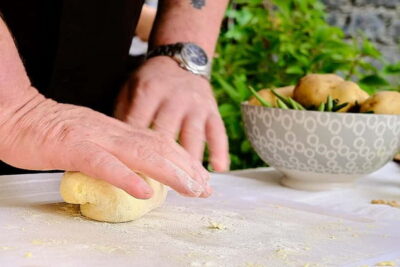
Levanto, Cinque terre: Fresh Pasta and Pesto cooking class
Read our review →
Pasta Cooking Class with Pesto Sauce Making in Rome City Center
Read our review →
Hands-On Home cooking Class Pasta Pesto and more with wine
Read our review →
Gnocchi & Pesto Class with Seaview in Riomaggiore
Read our review →
With Tiziana Cooking Class for Pesto , Gnocchi and Tiramisù
Read our review →Browse the lists this class appears in