
REVIEW · ROME PASTA CLASSES
Lunchtime Pasta Pro Workshop
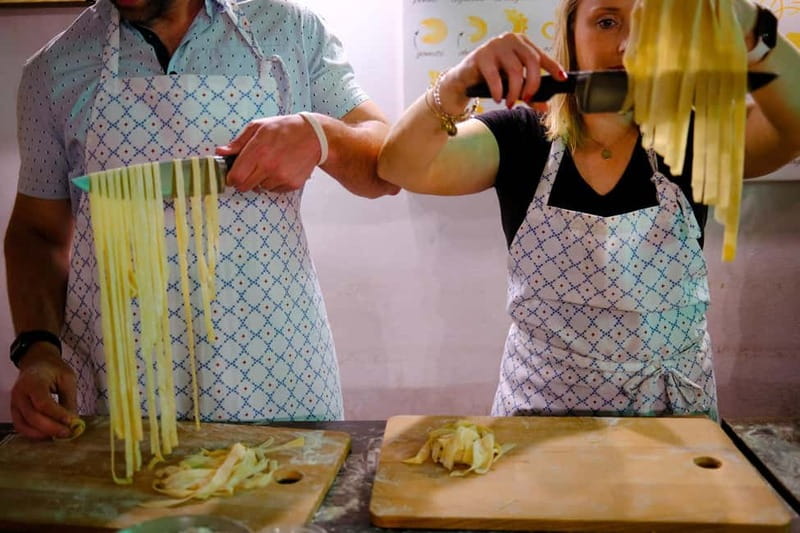
Fresh pasta is the star here. In about 2.5 hours, you mix, roll, cut, cook, and eat your own fettuccine, then finish with homemade tiramisu. It is a practical way to spend lunchtime in Rome, especially if you want more than another restaurant meal.
I like the hands-on format, since you do the work instead of simply watching a chef. I also like the generous food-and-drink setup: prosecco on arrival, wine with lunch, limoncello at the end, and non-alcoholic choices for children and non-drinkers.
The main drawback is dietary flexibility. This class cannot accommodate gluten-free, vegan, or dairy-free diets, and anyone with coeliac disease, gluten intolerance, or lactose intolerance should choose another activity.
Key points at a glance
- Fresh fettuccine from scratch: You mix and roll dough, cut the pasta, and cook it during the class.
- Two Roman pasta choices: Your handmade pasta becomes either carbonara or cacio e pepe.
- Tiramisu is part of lunch: You learn the method and take home the recipe.
- Drinks are built in: Expect prosecco, wine, limoncello, unlimited water, and non-alcoholic alternatives.
- English-speaking instruction: Chefs including Angela, Filippo, and Laura have led sessions.
- Strict dietary limits: Vegetarian food is available, but gluten-free, vegan, and dairy-free options are not.
Starting at Via Cesare Balbo 25
The class begins at Via Cesare Balbo number 25, around the corner from the entrance to Hotel 77. Look for a Rome With Chef sign outside the class.
This is a useful meeting point because you are not expected to find a restaurant hidden down a maze of side streets. Still, give yourself enough time to locate the entrance. The meeting point is not a major landmark such as the Colosseum, so having the address ready on your phone is sensible.
The activity ends at the same place. There is no transport involved, which keeps the outing simple. You arrive, cook, eat, and leave from one central location.
The class is offered in English. That matters in a practical activity where timing and technique count. You want to understand when to stop mixing, how thin to roll the dough, and what your chef is doing with the sauce.
Other Rome classes worth putting on the shortlist
- 3 in 1 Cooking Class near Navona: Fettuccine, Ravioli & Tiramisu
★ 5.0 · 7,376 reviews - Rome: Pasta & Tiramisu Class with Fine Wine by the Vatican
★ 4.9 · 4,852 reviews - Rome: Pasta Making Class with Wine, Limoncello, and Dessert
★ 4.9 · 3,177 reviews
A welcome glass of prosecco
The class starts with a glass of prosecco. This is not just a drink before the work begins. It gives you a relaxed few minutes to meet the chef and the other people at your table.
That social start suits the format. Cooking pasta in a group is more fun when the class feels informal rather than like a test. You can ask questions, compare your dough, and settle into the pace before the serious rolling begins.
The included drinks also add value to the price. At $78.17 per person, you are paying for instruction, ingredients, a full meal, several drinks, and the chance to prepare dishes you can repeat at home. It is not the cheapest way to eat lunch in Rome, but it is more than a meal. You are paying for an activity and a recipe lesson as well.
If you do not drink alcohol, you are still covered. Non-alcoholic beverages are available, including options for children, and unlimited water is included.
Rolling dough into fresh fettuccine
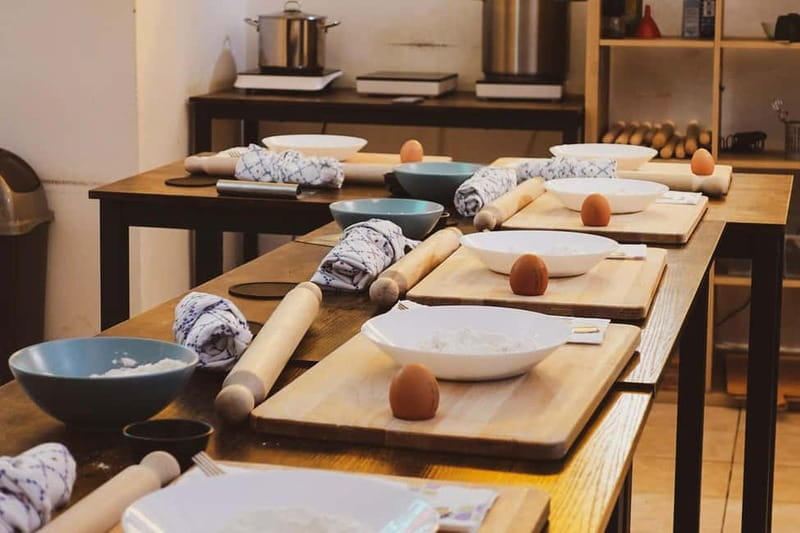
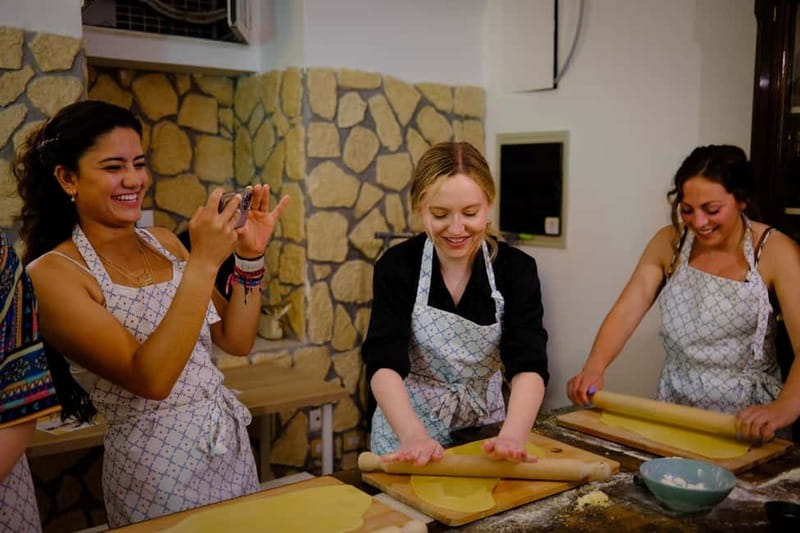
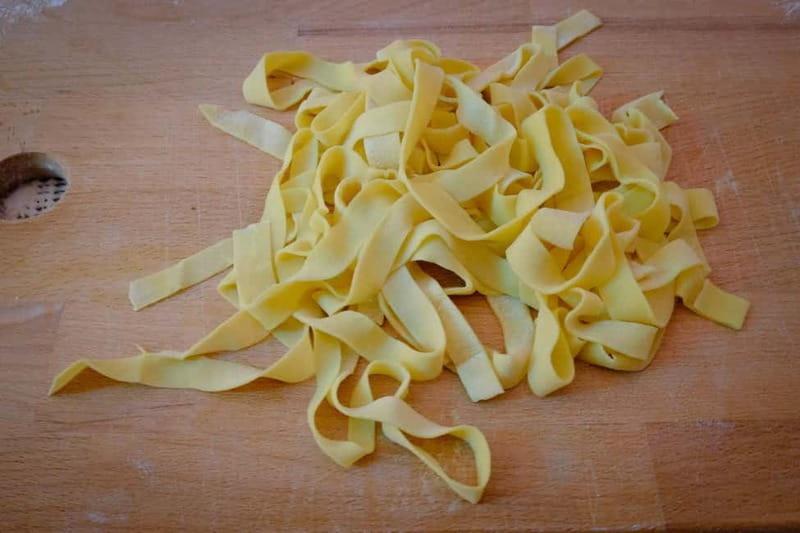
The central task is making pasta from scratch. Under the chef’s guidance, you mix the dough, work it, roll it, and cut it into fettuccine.
This is the part that gives the class its value. You are not simply being shown a finished plate. You handle the dough and see how a few basic ingredients become fresh pasta. The chef also explains useful techniques and the background of the dish, so the lesson has some cooking context rather than being a race to lunch.
The pasta is then prepared for cooking. Fresh fettuccine cooks differently from dried pasta, and making it yourself helps you understand why texture matters. The exact level of success will depend partly on your own hands, but the chef is there to guide the process.
One useful benefit is that the method travels well. You receive the recipes to take home, so the class can become part of your regular cooking rather than a one-time holiday memory.
The class is a good fit for food lovers who like to participate. If you prefer to sit back while somebody else cooks, the hands-on approach may feel like work. That is not a flaw, but it is an important choice to make before booking.
Choosing carbonara or cacio e pepe
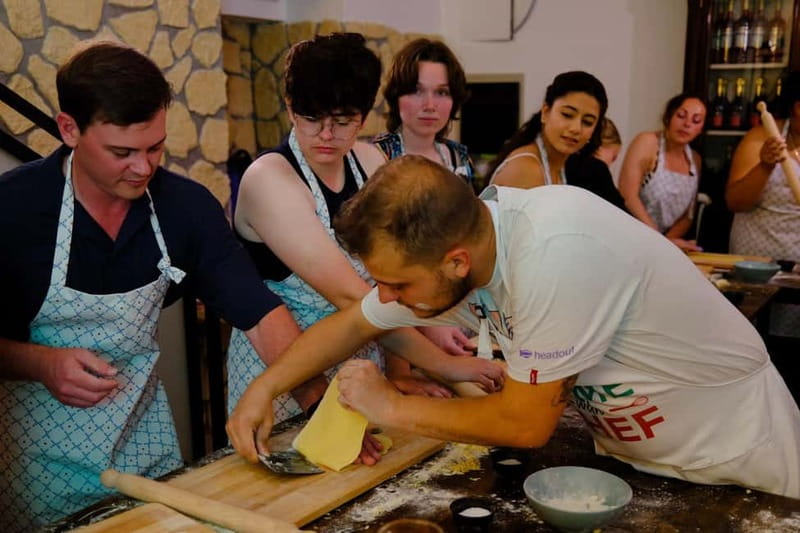
Once the pasta is ready, you turn it into a classic Roman dish: carbonara or cacio e pepe.
Carbonara is creamy in texture, though traditional carbonara does not need cream. Cacio e pepe is simpler on paper, built around cheese and pepper, but getting the sauce smooth takes care. The class gives you a chance to see how the ingredients come together with fresh pasta.
Having two choices is a nice touch. It gives the meal a little personal control and lets you pick between two famous Roman staples. The available choice may depend on how the class is organized, so listen to the chef’s instructions at the start.
This is also where the class moves from lesson to lunch. You are not preparing pasta just for demonstration. The food you make becomes the main dish you sit down to eat.
A glass of local wine accompanies the meal, while non-alcoholic drinks are available for those who prefer them. The combination of handmade pasta, sauce, and an included drink makes the $78.17 price easier to justify, particularly if you value an interactive meal over a standard restaurant table.
Same town, a different thing to roll out:
- Rome Cooking Class: Make Pasta and 3 Spritz Cocktails
★ 5.0 · 2,937 reviews - Rome: 3-in-1 Fettuccine, Ravioli, and Tiramisu Cooking Class
★ 4.9 · 2,704 reviews - Rome: Fettuccine Pasta Cooking Class in Rome’s City Center
★ 4.8 · 2,414 reviews - Learn to Make Pasta & Tiramisu with Wine and Limoncello Included
★ 5.0 · 2,345 reviews
Making tiramisu from scratch
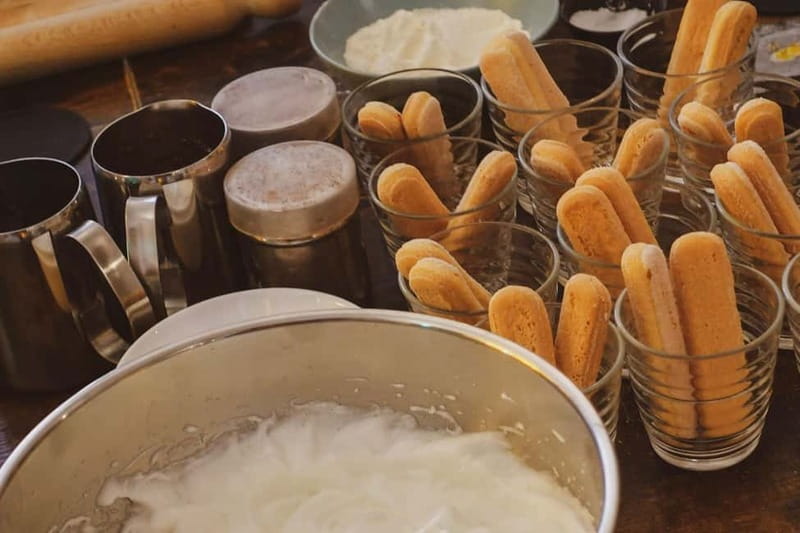
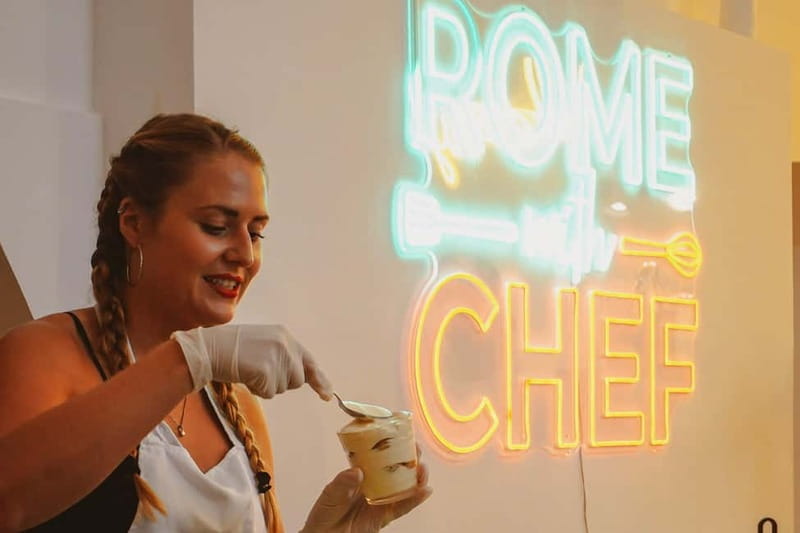
Tiramisu provides the sweet finish and gives the class a second recipe to take home.
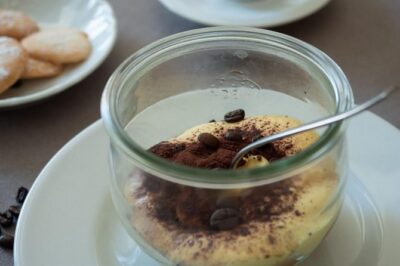
The chef explains how to make this famous Italian dessert, including its place in Italian cooking. You prepare the tiramisu during the session and later eat it as part of the meal.
I like that the dessert is not treated as an afterthought. Pasta classes often focus so heavily on the main dish that dessert becomes a small extra. Here, tiramisu is one of the main teaching points, and the recipe gives you something practical to recreate for friends and family.
The dessert also balances the pasta lesson. You learn one savory dish that depends on dough and sauce, then a sweet dish with a different set of techniques. It makes the class feel like a complete Italian lunch rather than a single cooking demonstration.
Keep in mind that tiramisu uses dairy, and the class cannot provide dairy-free alternatives. It also is not suitable for vegans or people avoiding gluten.
Sitting down to eat what you made
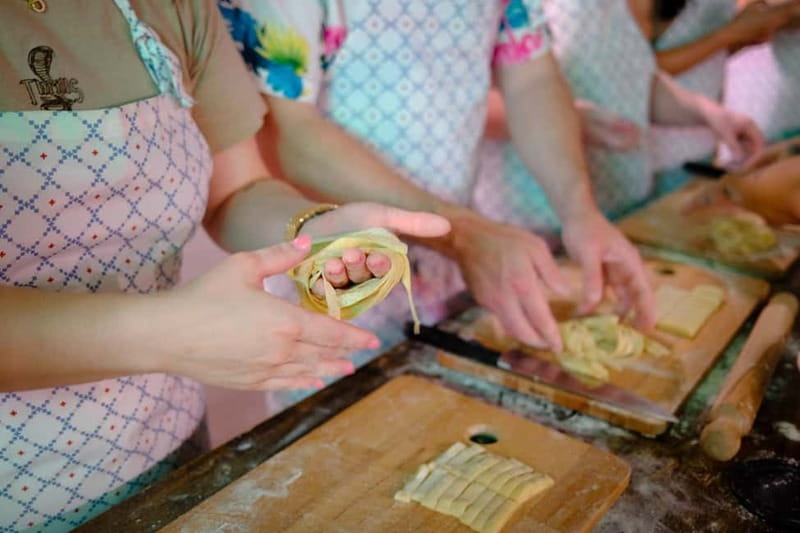
After the cooking is finished, you sit with the group and eat the pasta and tiramisu. This shared meal is a key part of the experience.
The food may not look as polished as a restaurant plate, and that is part of the appeal. You have seen the ingredients, shaped the pasta, and helped make the sauce. The meal has a clear connection to the work you just completed.
The class has been praised for being organized and fun, with one strong compliment describing its pasta as the best of an entire Rome trip. That kind of praise points to the practical success of the experience: the food is not just a prop for the lesson. It is meant to be enjoyed.
The class also creates an easy setting for meeting other food-focused people. You do not need to arrive with a group of friends. The cooking tasks and shared table give you natural conversation points.
At the end, limoncello provides the traditional Italian finish. It is included along with prosecco, wine, and water, so the drink package is unusually complete for a short cooking class.
The teaching style and named chefs
Instruction is in English, and the chefs are there to explain both the methods and the background of the dishes.
Angela and Filippo have led sessions together, and Laura has also been praised for clear English, useful tips, and strong teaching. Since the chef for your particular time slot is not guaranteed by the available information, treat those names as examples of the instructors who may lead the class rather than a promise that one specific person will be present.
That said, the teaching style sounds like a real strength. Laura’s sessions have been described as informative and enjoyable, with attention to small techniques. Those small tips are often what make a cooking class worthwhile. A recipe tells you what to add, but a chef can show you what the dough should feel like or how the sauce should look.
The English-language format is especially helpful for first-time pasta makers. You can ask questions without trying to follow a fast demonstration in a language you do not understand.
Who gets the best value from this class
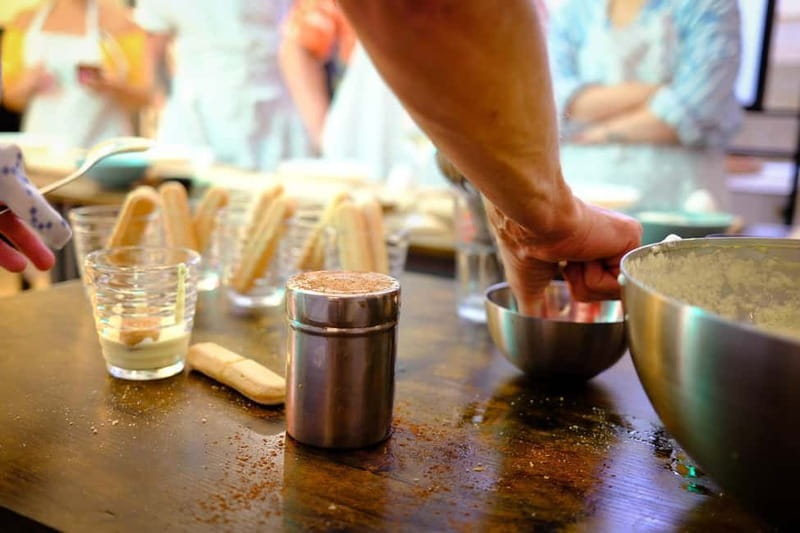
This experience suits you if you want a meal that also gives you something to do. It is a strong choice for couples, families with older children, solo food lovers, and small groups who enjoy cooking together.
It is also useful if your Rome plans already include major sights and you want a change of pace. Instead of spending another lunchtime standing in line for a table, you spend the time making food and then eating it.
Families should note that non-alcoholic drinks are available for children. The activity is not described as a child-specific class, though, so younger children may need help with rolling and cutting the dough.
The class is less suitable if you want a quiet or highly polished meal. It is interactive, social, and practical. You will be handling ingredients and following instructions, not simply receiving a plate.
It is also not a good fit for anyone with strict dietary needs. Vegetarian options are available, but the kitchen cannot accommodate coeliac disease, gluten intolerance, vegan diets, or lactose intolerance. Contact the provider in advance if you have another dietary restriction, since the class asks participants to give notice so the chef can assess what may be possible.
Timing, cancellation, and the $78.17 price
The listed duration is 2.5 hours, and starting times vary, so check the available slot before you plan the rest of your day. A lunchtime class can work well before an afternoon museum visit, but allow extra time if you have a fixed reservation afterward.
At $78.17 per person, the cost is reasonable for Rome if you will use the full package: chef instruction, ingredients, handmade pasta, sauces, tiramisu, prosecco, wine, limoncello, and unlimited water. You also leave with recipes, which adds lasting value.
The price is less attractive if you do not drink, do not enjoy group activities, or mainly want a cheap plate of pasta. In those cases, a regular trattoria meal may be the better choice.
You can cancel up to 24 hours before the activity for a full refund. The reserve-now-and-pay-later option also keeps your plans flexible, since you can secure a place without paying immediately.
Should you book the Lunchtime Pasta Pro Workshop?
Book it if you want to make your own fettuccine, learn Roman pasta techniques, and sit down to a full Italian lunch afterward. The combination of carbonara or cacio e pepe, tiramisu, included drinks, and take-home recipes gives the class more substance than a quick cooking demonstration.
I would especially recommend it to people who value practical skills. Angela, Filippo, and Laura have all been associated with clear, friendly instruction, and the class has earned strong praise for its organization, teaching, and food.
Skip it if you need gluten-free, vegan, or dairy-free cooking, or if you would rather spend lunchtime quietly at a restaurant. For everyone else, this is a well-priced way to turn a Roman meal into something you help create.
FAQ
Where does the pasta class meet?
It meets at Via Cesare Balbo number 25, around the corner from the entrance to Hotel 77. Look for a Rome With Chef sign outside the class.
How long does the activity last?
The activity lasts 2.5 hours. Starting times vary, so check availability for the exact time.
What language is the class taught in?
The instructor teaches in English.
What pasta dishes can I make?
You make fresh fettuccine and turn it into either carbonara or cacio e pepe.
Is tiramisu included?
Yes. You learn to make handmade tiramisu, eat it during the meal, and take the recipe home.
Are drinks included?
Yes. The class includes prosecco, wine, limoncello, unlimited water, and non-alcoholic beverages.
Can the class accommodate dietary restrictions?
Vegetarian options are available. The class cannot accommodate coeliac disease, gluten intolerance, vegan diets, or dairy-free diets, and it uses dairy products.
Recently added in Rome
- Trastevere Food Tour with Pasta-Making Class★ 5.0 · 5 reviews
- Traditional Pasta Cooking Class with Tiramisu Small Group★ 5.0 · 7 reviews
- Rome: Pasta and tiramisu class with wine pairing at Come Na Vorta★ 5.0 · 30 reviews
- Spritz and Pasta! Spritz, Fettuccine & Tiramisù★ 5.0 · 2 reviews
- Top Class in Fettuccine, Ravioli, and Tiramisu★ 5.0 · 7 reviews
- The Pasta Factory Class★ 4.5 · 21 reviews
- Private 4 Roman Pastas Tasting Tour in Rome★ 5.0 · 6 reviews
- Authentic Pasta and Tiramisù cooking class at spanish steps★ 4.5 · 14 reviews
Rome Pasta Classes, compared.
3 in 1 Cooking Class near Navona: Fettuccine, Ravioli & Tiramisu
Read our review →
Pasta & Tiramisu Class with Fine Wine by the Vatican
Read our review →
Pasta Making Class with Wine, Limoncello, and Dessert
Read our review →
Rome Cooking Class: Make Pasta and 3 Spritz Cocktails
Read our review →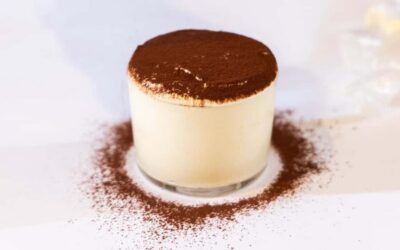
3-in-1 Fettuccine, Ravioli, and Tiramisu Cooking Class
Read our review →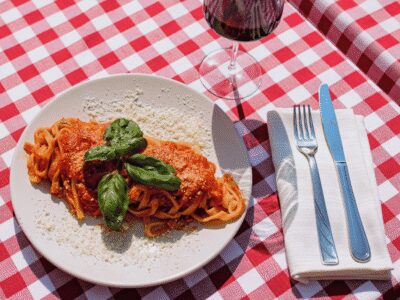
Fettuccine Pasta Cooking Class in Rome’s City Center
Read our review →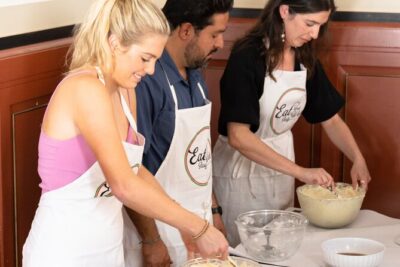
Learn to Make Pasta & Tiramisu with Wine and Limoncello Included
Read our review →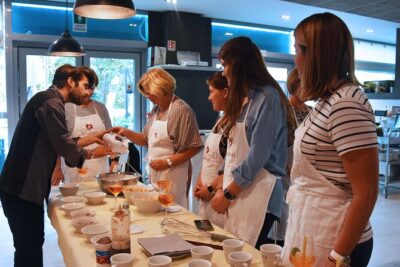
Become a Masterchef in Rome: Pasta, Ravioli and Tiramisù Class
Read our review →Browse the lists this class appears in