
REVIEW · NAPLES PASTA CLASSES
Cooking Lesson: Neapolitan pasta homemade
Fresh pasta in Naples begins with your hands, not a machine. In this two-hour lesson, you learn a family egg-pasta recipe, roll the dough with a pin, shape fettuccine and ravioli, then sit down to eat what you made. Chef Amos also shows you how tagliolini and pappardelle differ.
I like the old-fashioned hand-rolling and the chance to taste simple local ingredients, including tomatoes from Vesuvius and homemade bread. I also like that your meal, appetizer, drink, kitchen tools, apron, and chef diploma are included in the $92 price. The main drawback is clear: this is not suitable for anyone with gluten intolerance, and the class may be held at a different venue than the usual meeting point.
Key points at a glance
- Handmade pasta only: Roll and cut the dough with traditional tools rather than a pasta machine.
- Several pasta shapes: Make fettuccine and ravioli, with demonstrations of tagliolini and pappardelle.
- A family recipe: Learn the ingredients and method behind an old-style Neapolitan egg dough.
- A full meal follows: Eat fettuccine with Neapolitan sauce and ravioli with ragù.
- Local tastes during the wait: Sample Vesuvian tomatoes, homemade bread, and a local starter while the dough rests.
- Simple booking terms: The lesson lasts two hours, includes a drink, and allows cancellation up to 24 hours before the start.
Starting on Spaccanapoli in central Naples
The usual meeting point is Naples Cooking Lab on Spaccanapoli, the famous street that cuts through Naples’ historic center. That location matters. You are not heading to an isolated cooking school outside town, but meeting in the middle of the old city, where a pasta lesson can fit neatly into a day of walking.
At times, the class takes place at Pizzeria Mammina in Galleria Umberto I instead. You should check the final meeting details before setting out, since the venue can change and you will be informed in advance if it does. This is a small practical point, but it can save you from crossing central Naples with flour on your mind and the wrong address in your phone.
The activity is listed as wheelchair accessible. It also offers instruction in English, Italian, French, and Spanish. Those language choices make the lesson easier to follow when the chef is explaining dough texture, filling, and cutting techniques, where a quick demonstration often says more than a long explanation.
Other Naples classes worth putting on the shortlist
- Naples: Pasta Making Class with Starter and Drink
★ 4.9 · 1,060 reviews - Naples Pasta Class: Fettuccine & Ravioli with Grandma’s Recipe
★ 5.0 · 506 reviews - Naples: Pasta Cooking Class with Tiramisù and a Drink
★ 4.6 · 415 reviews
Learning why pasta shapes are different
The lesson starts with an explanation of the main pasta types. That may sound basic, but it gives the hands-on work some context. Fettuccine, tagliolini, pappardelle, and ravioli are not simply different names for the same thing. Their width, thickness, and shape affect how they hold sauce and filling.
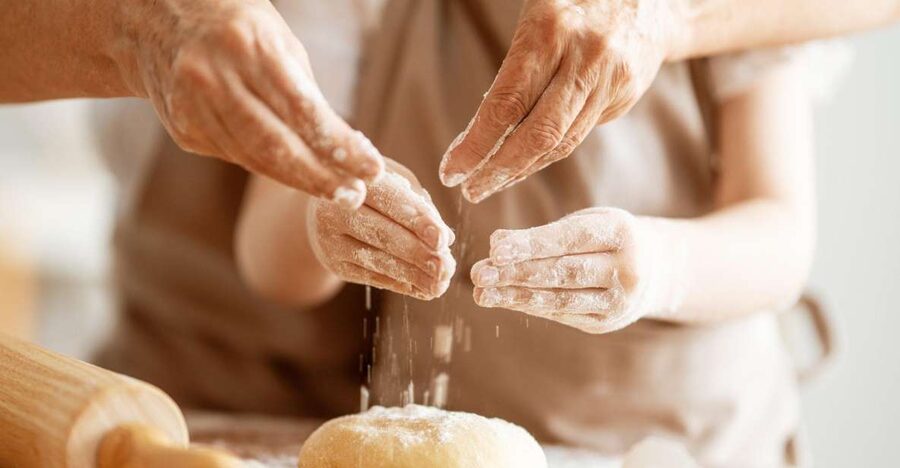
You then move on to egg pasta made according to the chef’s family recipe. The ingredients are explained before the dough is mixed, so you get more than a quick demonstration followed by a pile of flour. You learn what goes into the dough and how the process develops from loose ingredients into something workable.
The description refers to an old 1800s-style dough. That does not mean you are being asked to recreate a museum piece. It means the lesson leans toward a traditional method rather than a modern shortcut. If you enjoy food classes that explain technique and habit, this early part of the session gives the meal some useful background.
The dough rests while you taste Campania
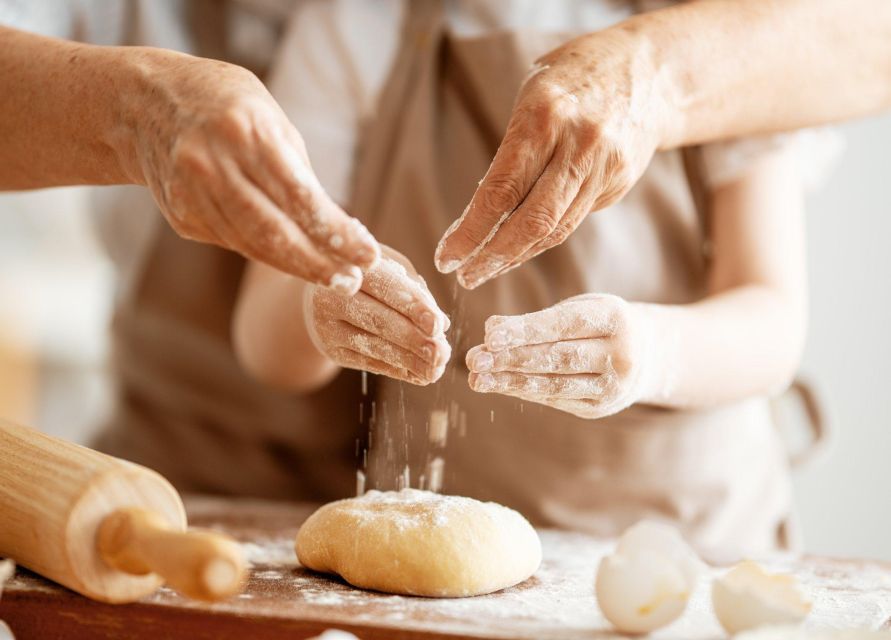
Once the dough has been prepared, it needs time to rest. Instead of treating that pause as dead time, the chef serves a local starter. You taste organic Vesuvian tomatoes and homemade bread, along with another local appetizer.
This is one of the better details in the experience. A cooking class can easily become a race to make the main dish, but tasting the ingredients helps you understand why simple Neapolitan food depends so heavily on quality produce. Tomatoes from the volcanic slopes around Vesuvius are especially fitting here, since tomato sauce is central to the final meal.
The starter is also included in the price, so you are not paying extra for a small plate that is part of the lesson. I would treat this portion as a short food break while the dough does its job, not as a separate tasting tour. The focus remains pasta, but the appetizer gives you a local flavor before the main course arrives.
Rolling the dough without a pasta machine
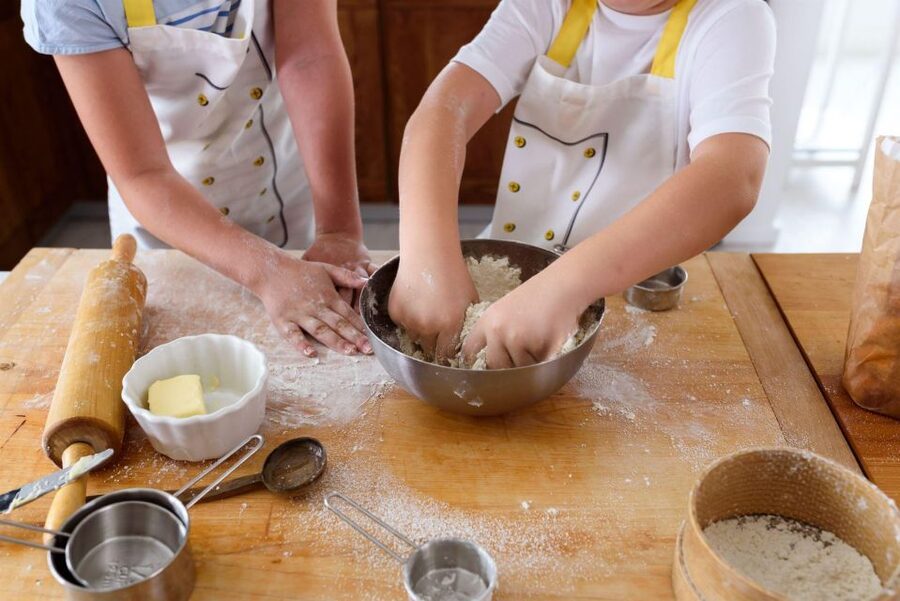
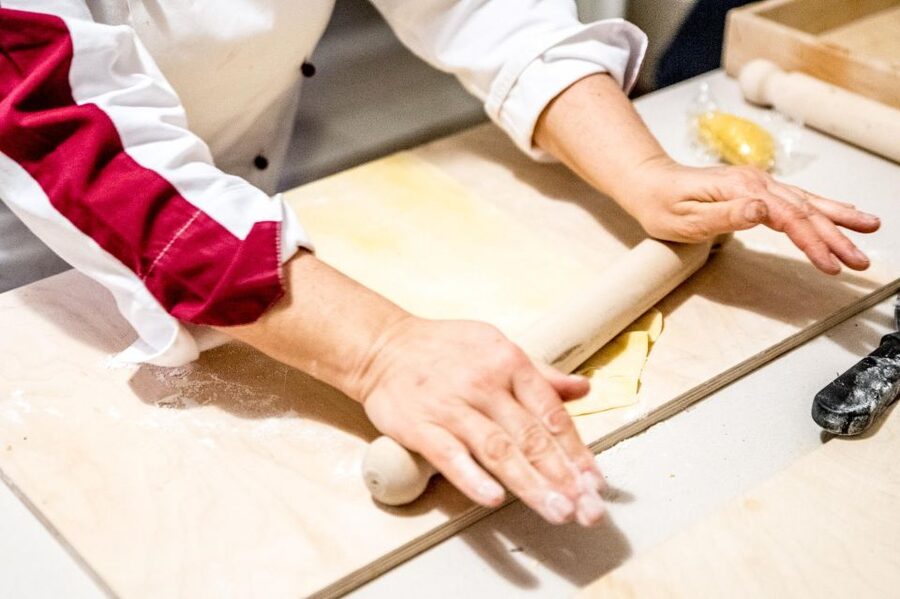
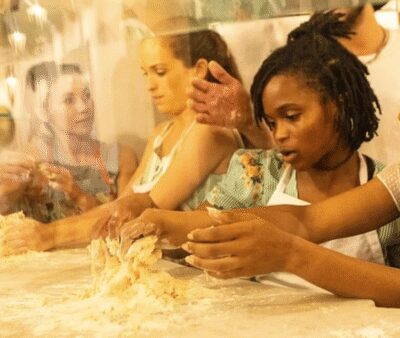
Here is the defining feature of the class: you roll the dough by hand with a rolling pin. No pasta machine takes over the work. The chef teaches methods associated with earlier generations, including techniques described as being passed down by grandmothers.
Hand-rolling changes the feel of the lesson. You have to pay attention to the dough’s thickness and shape instead of pressing a button and waiting for a smooth sheet. The work can be a little less tidy, especially at first, but that is part of the point. You leave with a better sense of how fresh pasta is actually made.
The experience is not presented as a technical contest. You are there to learn, and the chef guides the process. Still, expect to handle dough, flour, and filling. If you prefer watching a chef do everything while you sit back, this is probably not the right activity. If you want to make the food yourself, the hand method is a strong reason to choose it.
Same town, a different thing to roll out:
- Napolitan Secrets: Pasta & Tiramisù Class for Food Lovers
★ 4.9 · 189 reviews - Amazing Pizza and Pasta Class at Savio’s kitchen cooking school
★ 5.0 · 104 reviews - Learn To Make Fresh Pasta With Love in Naples
★ 5.0 · 77 reviews - Hands-On Pasta Making and Traditional Tiramisu Workshop
★ 4.5 · 71 reviews
Cutting fettuccine and shaping ravioli
After rolling comes cutting. You make fettuccine and ravioli, and the chef also demonstrates tagliolini and pappardelle. This is a useful range for a two-hour class because you see how a single sheet of dough can become several pasta forms.
Fettuccine gives you the long, broad strands that will later carry Neapolitan sauce. Ravioli requires another step: adding a filling, sealing the pasta, and making sure it does not open during cooking. That contrast makes the class more interesting than a lesson focused on one shape.
The filling is mixed during the session, then added to the ravioli. The information provided does not specify the exact ingredients, so you should not expect a particular cheese or meat filling until the chef explains it in person. What is clear is that the class takes you through the complete process, from dough to filled pasta.
The chef’s explanation of tagliolini and pappardelle adds useful variety, even though the meal centers on fettuccine and ravioli. You learn that pasta shape is not just decoration. It affects how the sauce clings and how the finished dish feels to eat.
Cooking and eating the pasta you made
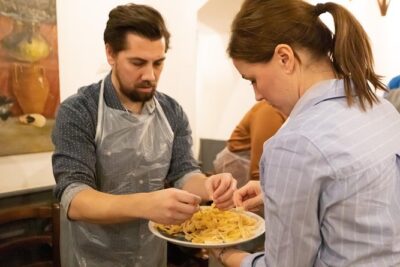
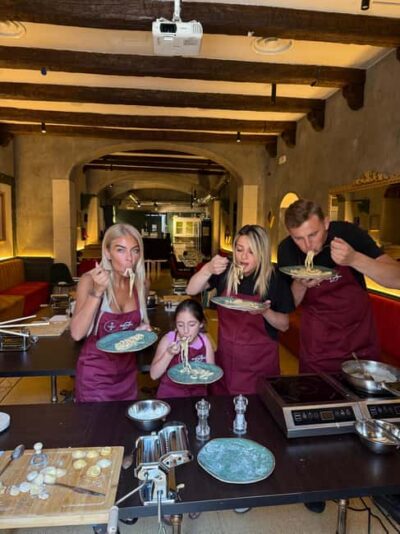
When the pasta is ready, it is cooked in water for a few minutes. Fresh pasta cooks faster than dried pasta, so this part of the lesson moves quickly. You then eat fettuccine with Neapolitan sauce and ravioli with ragù.
Serving the two shapes with different sauces is a smart choice. It lets you compare the broad ribbons with the filled pasta, and it shows how sauce can change the character of the same basic dough. The meal is not an afterthought or a token taste. Dinner or lunch is included, along with the local starter and one alcoholic or non-alcoholic drink.
The drink choice is useful for a mixed group. Someone may want wine or another alcoholic option, while someone else may prefer a soft drink or water. Any drinks after the first are not included, so keep that in mind if you plan to linger at the table.
The final meal also gives you a chance to see if your shapes held together. Ravioli that survives boiling is a small but satisfying victory. Fettuccine gives you an immediate test of whether you rolled and cut the dough evenly. The food is both the lesson’s subject and its reward.
What the $92 price includes
At $92 per person, this is more than a quick demonstration. You are paying for two hours of instruction, kitchen tools, an apron, the food you prepare, a local starter, and one drink. A chef diploma is also included at the end.
The value depends on how much you want from the experience. If you only want a cheap meal in Naples, the price will seem high. If you want a guided activity, a full lunch or dinner, and a practical skill you can repeat at home, the cost is easier to justify.
I especially like that the equipment is supplied. You do not need to arrive with a rolling pin, apron, or special pasta cutter. That keeps the activity simple for someone staying in a hotel or apartment and traveling light.
The chef diploma is a pleasant extra, particularly for a birthday, family outing, or bachelorette party. It is not a professional qualification, of course, but it gives the group a keepsake from the afternoon. The activity has already been used for a bachelorette celebration, and the format suits that kind of occasion because everyone works on the same meal before eating together.
Who will enjoy this pasta lesson most
This experience suits you if you like doing rather than only seeing. You should be willing to knead, roll, cut, fill, and cook. The strongest part is not simply eating fresh pasta. It is learning the old hand method and seeing how the shapes come together.
It is also a good fit for a small celebration or group outing. The work is shared, the meal is served at the end, and the included drink keeps the plan straightforward. A cooking lesson can give a group something to talk about beyond the usual sightseeing stops.
Families and first-time cooks may enjoy it, though the supplied information does not specify a minimum age. If you are booking for children, ask the provider about age suitability before paying. The same advice applies to anyone with dietary needs beyond the stated gluten restriction, since the available details do not describe vegetarian substitutions, allergies, or other menu changes.
You should skip it if you cannot eat gluten. The pasta is made from egg dough and flour, and gluten intolerance is specifically listed as a reason not to take the class. The information also does not promise a gluten-free version.
Timing, language, and booking details
The lesson lasts two hours, so it can fit before or after a visit through Naples’ historic center. Starting times vary, and you need to check availability for the date you want. The central meeting point makes it easier to connect with other plans in the city, but allow time to find the exact entrance.
Instruction is available in English, Italian, French, and Spanish. If your group includes several languages, confirm that the chosen session will work for everyone. The chef’s demonstrations are important, but you will also need to follow spoken instructions while handling dough and filling.
You can reserve now and pay later, which helps if you are still arranging a Naples itinerary. Free cancellation is available up to 24 hours before the activity for a full refund. The experience also advertises a separate entrance for skipping the line, though this matters less than it would for a major monument. The main benefit here is a smoother arrival at the cooking venue.
What the high ratings suggest about the experience
The strongest praise centers on the practical teaching. One participant said the class was fun and that the result was delicious. Another specifically appreciated learning from scratch with traditional hand-rolling instead of a pasta machine.
Chef Amos is described as kind and ready to explain each step throughout the activity. That matters in a hands-on class. Dough can be too sticky, too dry, or too thick, and a chef who keeps explaining can turn a small mistake into part of the lesson rather than a failed dish.
The feedback also points to a useful take-home benefit: you can try the method again after returning home. No one should expect to master every pasta shape in two hours, but you should leave with a clearer idea of the dough, the rolling process, and the basic difference between long pasta and filled pasta.
The rating is 4.8 from four reviews, a very small sample. I would treat that as encouraging rather than final proof. The consistently positive points are clear, but the experience is still best judged against your own interests, time, and dietary needs.
Should you book the Neapolitan pasta class?
Book it if you want a central Naples activity that combines instruction, local food, and a proper meal. The hand-rolled dough, Vesuvian tomatoes, two pasta shapes, and two sauces give the two hours a clear purpose. The included apron, tools, starter, drink, meal, and diploma also make the $92 price easier to understand.
Think twice if you want a quiet tasting, a machine-led demonstration, or a short activity with little participation. You will be working with flour and dough, and the gluten restriction is firm. For anyone curious about how fresh pasta moves from ingredients to dinner, though, this is a practical and good-natured way to spend part of a Naples day.
FAQ
Where does the pasta lesson take place?
The usual meeting point is Naples Cooking Lab on Spaccanapoli, in the historic center of Naples. Some sessions take place at Pizzeria Mammina in Galleria Umberto I, and you will be informed in advance if the venue changes.
How long does the cooking class last?
The lesson lasts two hours.
What pasta will I make?
You will make homemade fettuccine and ravioli. The chef also shows you how to prepare tagliolini and pappardelle.
Will I use a pasta machine?
No. The dough is rolled with a rolling pin using traditional methods rather than a pasta machine.
What food is included?
You receive a local starter, homemade pasta, and a meal of fettuccine with Neapolitan sauce and ravioli with ragù.
Is a drink included?
One alcoholic or non-alcoholic drink is included. Additional drinks after the first one are not included.
Which languages are available?
The lesson is offered in English, Italian, French, and Spanish.
Is the activity wheelchair accessible?
Yes, the activity is listed as wheelchair accessible.
Can someone with gluten intolerance join?
No. People with gluten intolerance are specifically listed as unsuitable for this activity.
Can I cancel the booking?
Yes. You can cancel up to 24 hours in advance for a full refund. You can also reserve now and pay later.
Recently added in Naples
- Naples Hands-on Cooking Class: Gnocchi, Ravioli, Tiramisu & Wine★ 4.5 · 18 reviews
- Private Fettuccine Alfredo and Ravioli Class Grandma recipe★ 4.0 · 2 reviews
- Pasta Fresca Gnocchi and Ravioli a Napoli★ 5.0 · 2 reviews
- Private Pasta & Tiramisu Class at a Cesarina’s home with tasting in Ercolano★ 5.0 · 2 reviews
- Homemade Pasta And Seafood Cooking Class with Dinner★ 5.0 · 5 reviews
- Neapolitan pasta homemade Cooking Lesson★ 4.5 · 4 reviews
- Private Italian Pasta Masterpieces Class: Ravioli, Tortellini and Fettuccine★ 5.0 · 8 reviews
- Discovering Gragnano PGI pasta and the Valle dei Mulini★ 5.0 · 3 reviews
Naples Pasta Classes, compared.
Naples Pasta Class: Fettuccine & Ravioli with Grandma’s Recipe
Read our review →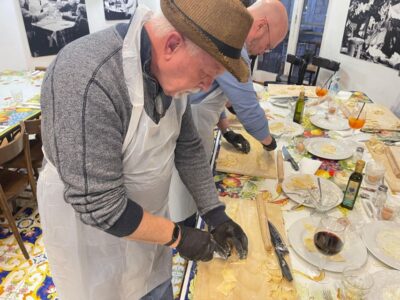
Napolitan Secrets: Pasta & Tiramisù Class for Food Lovers
Read our review →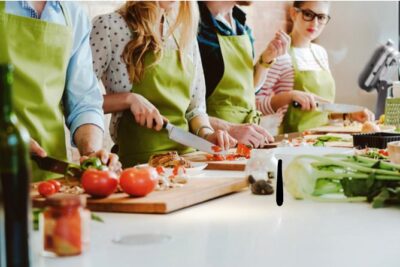
Amazing Pizza and Pasta Class at Savio’s kitchen cooking school
Read our review →
Hands-On Pasta Making and Traditional Tiramisu Workshop
Read our review →
Fresh Pasta Cooking Class and Dinner with a Local
Read our review →Browse the lists this class appears in