
REVIEW · ROME PASTA CLASSES
Rome: Pasta Cooking Class in a Professional Pasta Laboratory
Rome’s most hands-on pasta class takes place inside a working professional pasta laboratory, not a polished restaurant classroom. Chef Emanuele Faini and Chef Angelo guide you through dough, fillings, shapes, and sauces, then cook the results for a shared meal with wine.
I like the small group size and the old-fashioned rolling-pin work, which gives you a real feel for pasta rather than a quick turn through a machine. I also like the rare attention to gluten-free cooking. The one caution is that the class moves on a schedule, so Thursday’s gnocchi session may be more demonstration than full hands-on practice.
Key points to know before booking
- A real pastificio in Rome: You learn inside Pastificio Faini at 13 Via dei Latini, rather than in a generic cooking studio.
- Three unusual grains: Work with Triticum Monococcum, Senatore Cappelli, and gluten-free buckwheat flour.
- Small, friendly teaching: Classes are limited to nine participants, with instruction in English and Italian.
- Pasta made by hand: You roll thin sheets, cut them, shape them, and fill ravioli with guidance from the chefs.
- A proper meal at the end: Your pasta and sauces are cooked and served with Italian wine and water.
- Thursday has a different focus: The class includes homemade potato gnocchi on Thursdays.
Inside Pastificio Faini near Via dei Latini
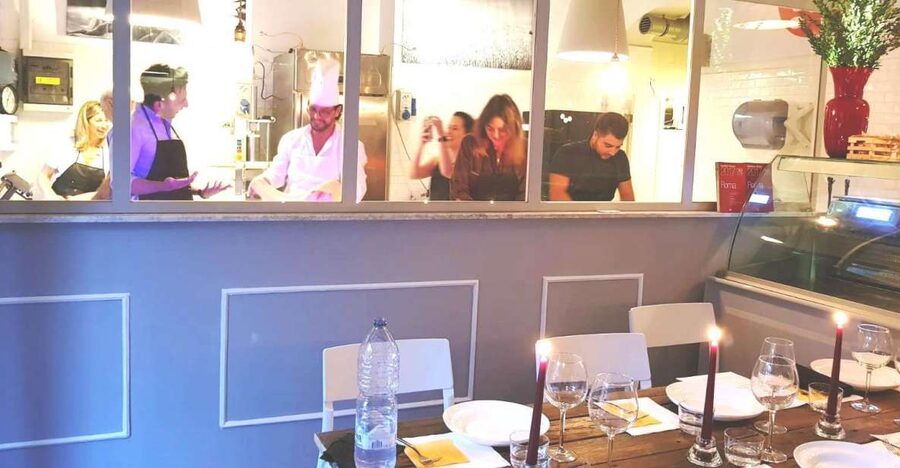
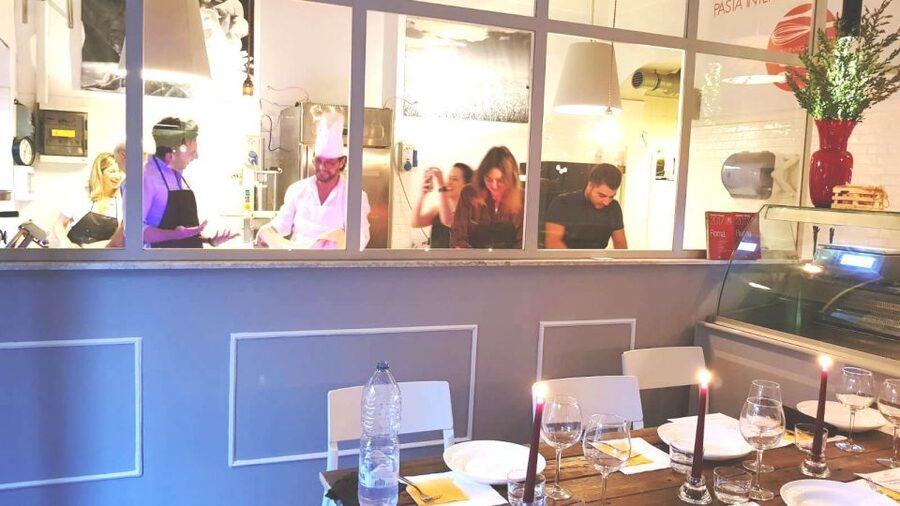
The setting is part of the appeal. You meet at Pastificio Faini, 13 Via dei Latini, Rome 00185, in the area around Rome’s Termini station. This is a working pasta laboratory, so the lesson has a practical feel from the start. You are not simply watching a chef prepare a plate while standing behind a counter.
The class lasts about three hours and ends where it begins. That makes it easy to fit into a Rome day, especially if you are staying near Termini or in the Monti and San Lorenzo areas. Check the available starting times before booking, since the exact schedule can change.
The class is limited to nine participants. That number matters. Pasta dough needs close attention, and the chefs can move around the worktables to correct a fold, point out a texture problem, or help you handle a sticky sheet. It is still a group activity, not a private lesson, but the size allows much more personal help than a large demonstration.
You receive a branded chef hat and apron signed by the chef. That is a small touch, but it helps mark the class as an event rather than just another meal. You also receive the recipes, so the useful part continues after you leave Rome.
Other Rome classes worth putting on the shortlist
- 3 in 1 Cooking Class near Navona: Fettuccine, Ravioli & Tiramisu
★ 5.0 · 7,376 reviews - Rome: Pasta & Tiramisu Class with Fine Wine by the Vatican
★ 4.9 · 4,852 reviews - Rome: Pasta Making Class with Wine, Limoncello, and Dessert
★ 4.9 · 3,177 reviews
Three grains, three different lessons
The class uses three types of grain, each with a different place in the story of pasta.
Triticum Monococcum, also known as einkorn, is presented as one of the earliest cereals cultivated by people, dating back around 7,500 BC. You are not just mixing flour and water. You are working with an ingredient that connects modern cooking to some of the oldest forms of agriculture.
The second grain is Senatore Cappelli. It was selected in 1915 by the Italian plant breeder Nazareno Strampelli, disappeared from common use in the 1960s, and was later brought back by a small farmer. That background gives the flour some personality. It is a reminder that Italian food traditions are not frozen in place. Ingredients can vanish, return, and find a new role in the kitchen.
The third flour is buckwheat, called Grano Saraceno in Italian. It is gluten-free, and the class uses it to make a tasty pasta option for participants who cannot eat ordinary wheat pasta.
Working with several grains is useful because it shows you that pasta dough is not one fixed formula. Flour behaves differently depending on its type, and you need to pay attention to texture rather than blindly follow a recipe. The recipes help you repeat the work at home, but your hands will teach you just as much as the printed instructions.
Rolling, cutting, and shaping the pasta
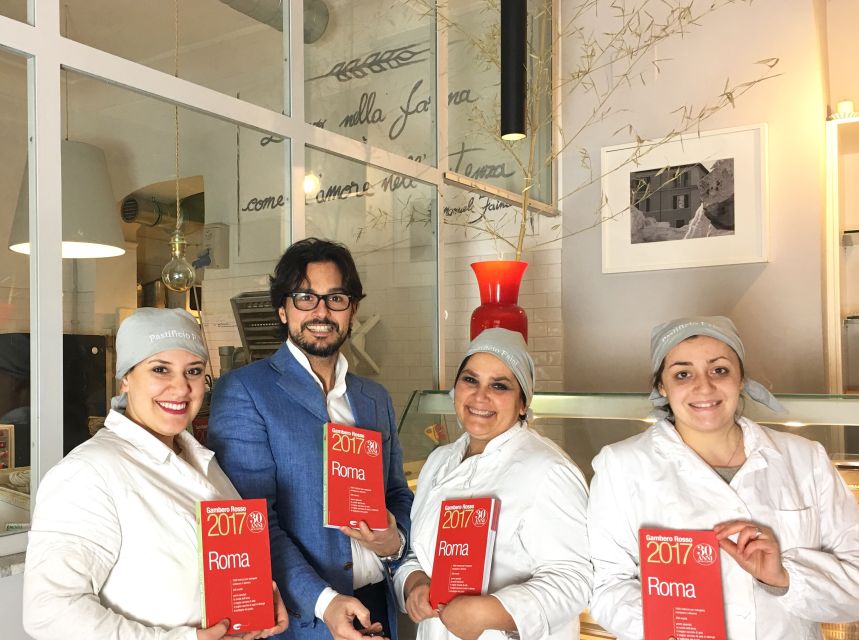
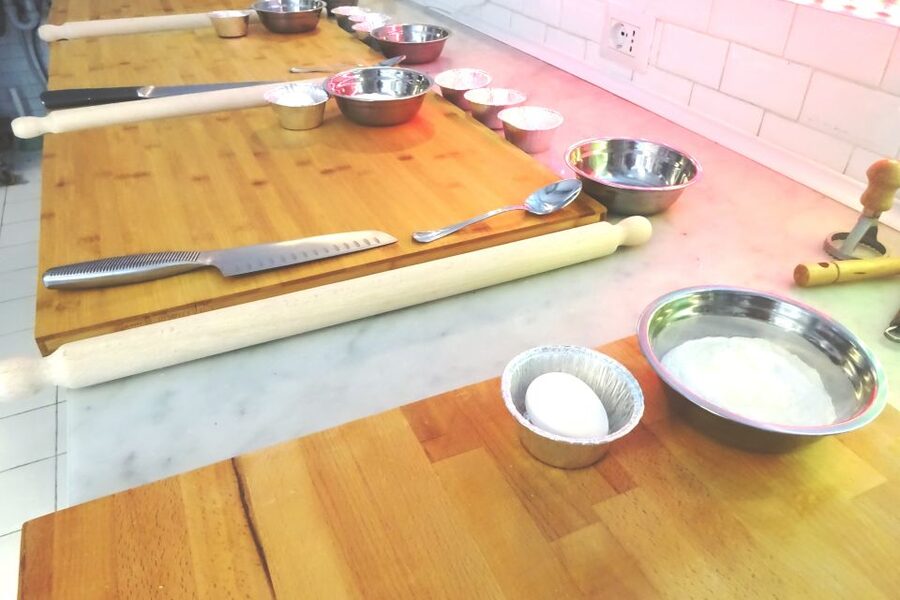
The class begins with a welcome drink and an explanation of safe food-cutting procedures. That safety briefing is worth taking seriously, especially when the group begins trimming dough and preparing ingredients together.
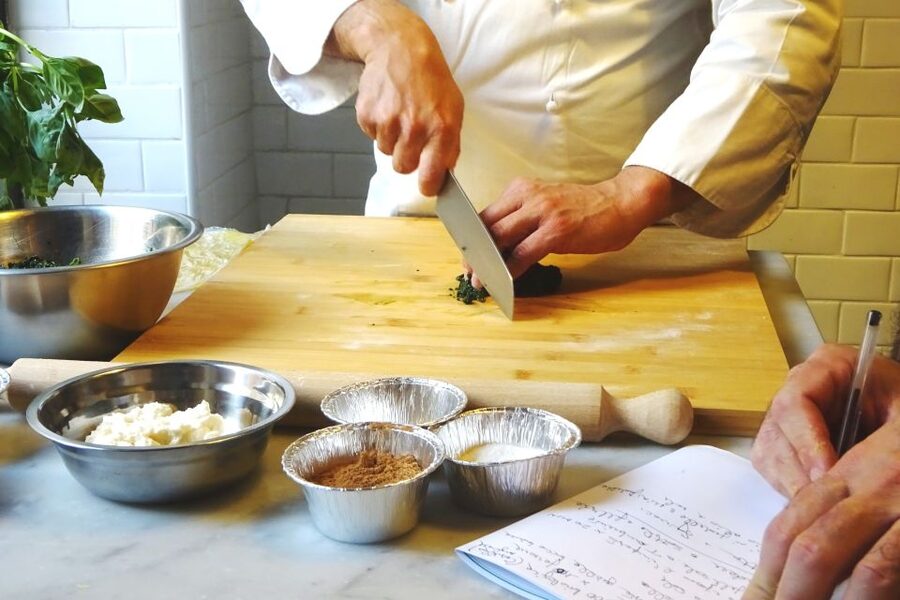
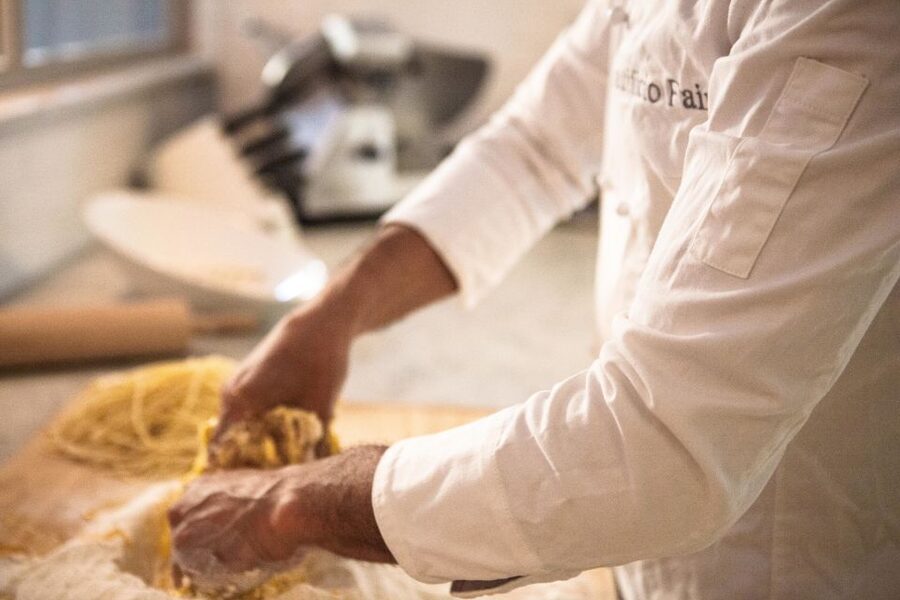
A major strength here is the emphasis on handwork. You create thin sheets of pasta dough with a rolling pin instead of simply feeding dough through a machine. That takes more effort, but it teaches you what properly rolled pasta feels like. You can see how thin the sheet should be, how to avoid tearing it, and how to keep the dough from sticking.
Chef Emanuele demonstrates each stage before you try it. Chef Angelo also teaches the process, and the team steps in when someone needs help. The instruction is designed for beginners. You do not need professional cooking skills. You need patience, a willingness to handle flour, and a serious liking for pasta.
You work through several pasta forms, including three styles of ravioli. That means more than learning one shape for one meal. You handle the sheet, add filling, press out air, seal the edges, and cut the finished pieces. Those small steps are exactly where homemade pasta succeeds or fails.
The class also includes one egg-free pasta preparation, which is vegan. That makes the lesson useful beyond the specific meal served that day. You leave with methods that can work for different diets and different ingredients.
Ravioli fillings and Roman sauces
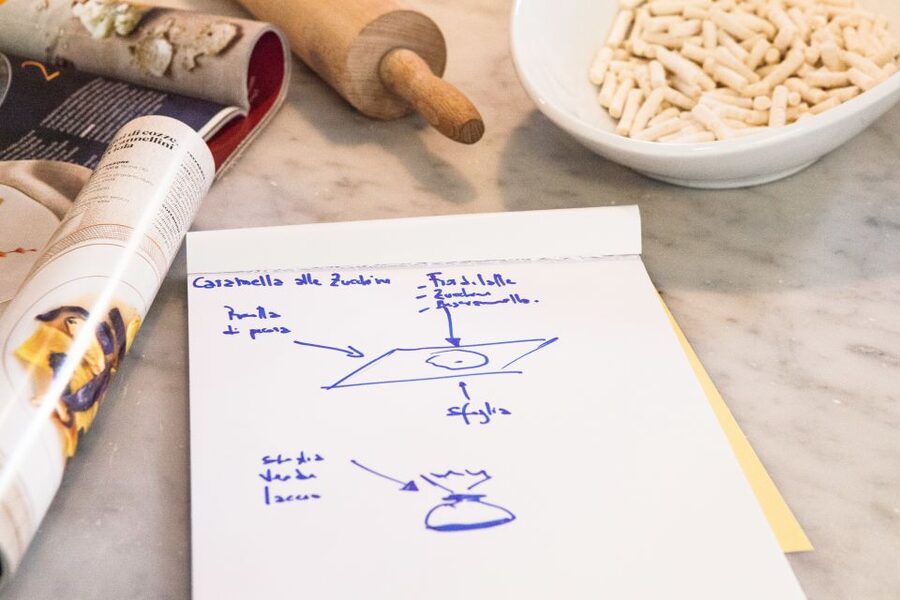
The filling work gives the class a second rhythm. You prepare the fillings, shape the pasta around them, and learn how much filling is enough. Too much filling can split the pasta. Too little leaves a hollow pocket. The chefs help you find the right balance.
The sauce portion focuses on a classic Roman preparation. Depending on the class plan, this may be carbonara, cacio e pepe, or gricia. Each sauce teaches something different.
Carbonara depends on careful handling of egg and cheese. Cacio e pepe is a lesson in turning cheese, pepper, and pasta water into a smooth sauce. Gricia, made with cheese and cured pork, shows how a short ingredient list can still produce a powerful result. These are not complicated restaurant tricks. They are dishes you can repeat at home if you understand the texture and timing.
The class is especially valuable here because you eat what you make. You can taste how a sauce clings to fresh pasta, how the filling works with the dough, and how freshly made pasta differs from dried pasta from a supermarket. That feedback is hard to get from a cookbook alone.
The chefs also create a lively atmosphere. Music plays while you work, and the lesson mixes clear steps with humor and conversation. The tone is warm rather than formal, but the cooking remains structured.
Same town, a different thing to roll out:
- Rome Cooking Class: Make Pasta and 3 Spritz Cocktails
★ 5.0 · 2,937 reviews - Rome: 3-in-1 Fettuccine, Ravioli, and Tiramisu Cooking Class
★ 4.9 · 2,704 reviews - Rome: Fettuccine Pasta Cooking Class in Rome’s City Center
★ 4.8 · 2,414 reviews - Learn to Make Pasta & Tiramisu with Wine and Limoncello Included
★ 5.0 · 2,345 reviews
Sitting down to eat what you made
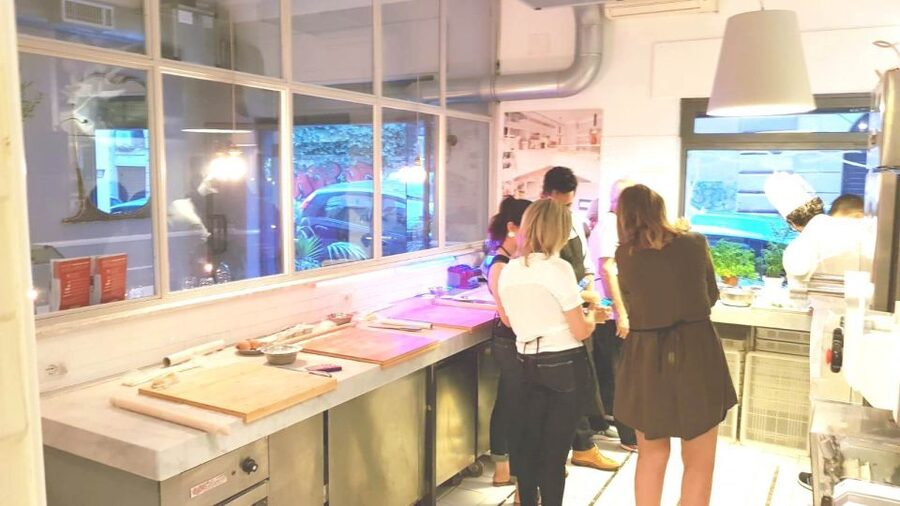
After the hands-on work, the pasta is cooked and everyone sits down together. Wine and water are included, and the meal becomes part of the lesson rather than a separate restaurant stop.
This shared table is one of the best reasons to book a class instead of simply ordering pasta in Rome. You have made the food, seen the mistakes, and watched the ingredients come together. The final plate has a personal connection that a standard meal cannot provide.
The group setting also gives you time to talk with people from different places. You are eating the same food you prepared together, with the chefs nearby, so the meal feels relaxed and social. Several class participants have especially valued this shift from worktable to shared supper.
Do not expect a long restaurant tasting menu. The point is to eat the pasta and sauces prepared during the lesson. The class is about learning by doing, then enjoying the result while it is fresh.
Gluten-free and dietary needs
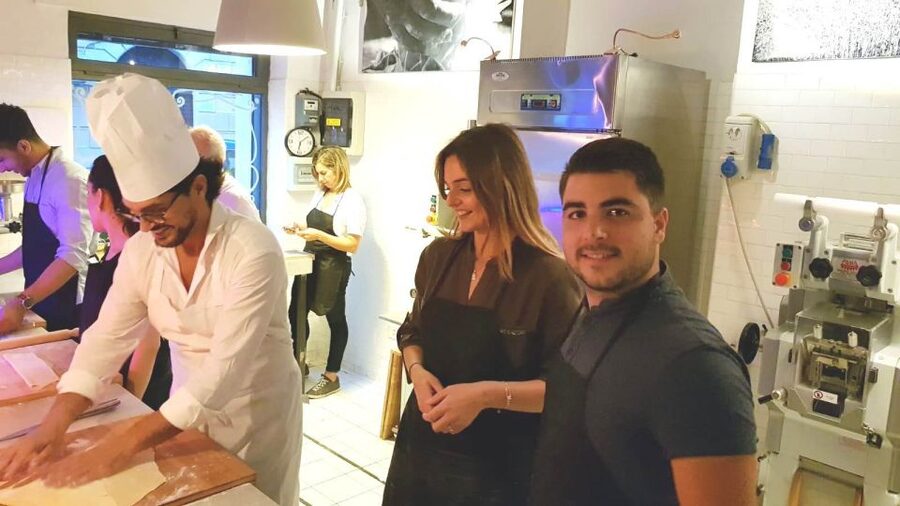
This class is a strong option for people who need gluten-free pasta. Buckwheat flour is used for a gluten-free preparation, and the class specifically caters to gluten-free participants.
You should advise the provider about dietary requirements before attending. That gives the team a chance to plan the correct ingredients and explain how your portion will be handled.
The class also includes an egg-free, vegan pasta preparation. That is helpful, but you should still communicate all dietary needs in advance. The available information confirms gluten-free accommodation and the vegan pasta component, but it does not promise every possible allergy or dietary substitution.
For families, the format can work well. One family with a coeliac child had the child make separate gluten-free pasta and then eat with the group. The small size and direct help from the chefs make this more practical than a large cooking event.
What changes on Thursday
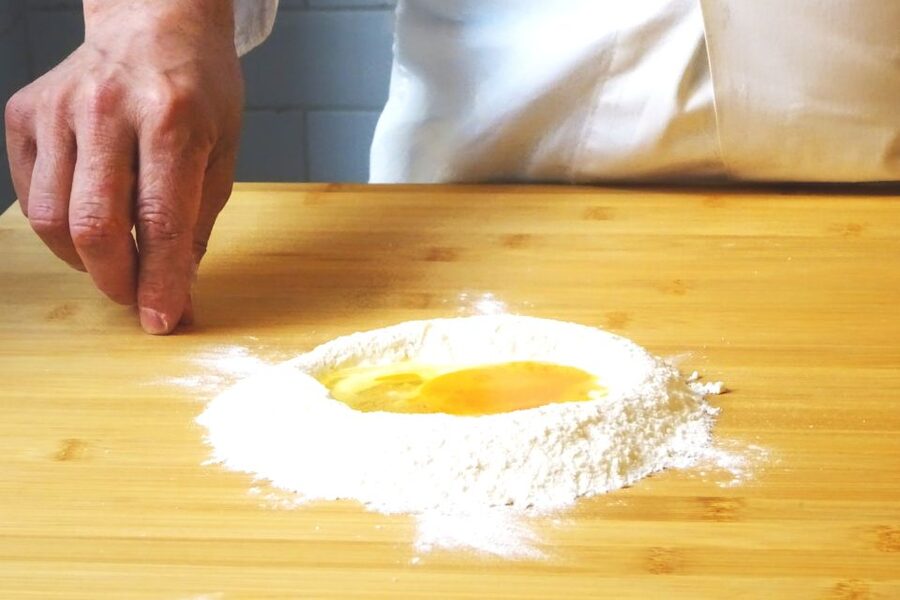
Thursday has a special format: homemade Italian gnocchi with fresh potatoes. If you have always wanted to learn gnocchi, this may be a good reason to choose that day.
There is one important tradeoff. The gnocchi section can be more of a quick demonstration than a fully hands-on exercise in which every participant brings the dough together and receives individual feedback. The rest of the class still offers substantial participation, but you should not book Thursday expecting every step of gnocchi-making to receive the same practice time as the pasta work.
If your main goal is learning to roll, cut, and fill pasta by hand, another day may suit you better. If you want to add fresh potato gnocchi to your Rome food experience, Thursday gives you that special focus.
Is $66.84 good value?
At $66.84 per person, this is not the cheapest pasta lesson in Rome, but it offers a solid amount for the price. You receive about three hours of instruction, ingredients, equipment, recipes, a chef hat and apron, wine, water, and a meal made from your own work.
The professional laboratory setting adds value. So does the small group limit of nine. You are paying for direct instruction, not only for a plate of pasta and a photo opportunity.
I also think the rolling-pin approach matters. A machine can produce pasta quickly, but it can leave you with little idea how the dough should look or feel. Here, you learn the basic physical skill you can repeat in your own kitchen.
The value is strongest if you will actually use the recipes at home. If you only want a fun meal with wine and no interest in making pasta again, a cooking class may not be the best use of your Rome budget. If you want a skill, a social evening, and dinner in one booking, the price is reasonable.
Who will enjoy this class most
This is a good choice for first-time pasta makers. The chefs demonstrate each step, use clear instructions in English or Italian, and offer help when the dough does not behave as planned.
It suits couples, families, and solo participants who like meeting people around a table. The group is small enough to feel personal, but not so small that the evening becomes stiff or overly formal.
Pasta lovers will get the most from the lesson, especially anyone interested in Roman sauces, ravioli, and traditional hand-rolling. People with gluten-free needs also have a reason to consider it, since the class includes a specific buckwheat pasta option.
It may not suit you if you want a private class, a quiet luxury setting, or a fully polished chef demonstration with little work on your part. You will handle dough, flour, fillings, and equipment. That is the fun, but it is also the commitment.
Practical details that matter
The meeting point is Pastificio Faini at 13 Via dei Latini, Rome 00185. The class returns to that same location.
The activity is offered in English and Italian. It lasts three hours, and the exact start time depends on the date you choose. Pets are not allowed.
You can cancel up to 24 hours before the activity for a full refund. A reserve-now, pay-later option is also available, which helps if your Rome plans are still shifting.
Wear something you can work comfortably in. A chef hat and apron are provided, but flour and food preparation are still part of the job. Tell the provider about dietary requirements before arrival, rather than waiting until the lesson begins.
Should you book it?
I would book this class if you want to learn a real kitchen skill while eating a proper meal in Rome. The strongest reasons are the small group, the hand-rolled dough, the three grains, the Roman sauces, and the option for gluten-free pasta.
Choose a day other than Thursday if your main goal is full hands-on pasta practice. Choose Thursday if fresh potato gnocchi is the detail that interests you most.
At $66.84, the class offers more than a novelty activity. You leave with recipes, practical technique, and the confidence to try fresh pasta at home. For a food-focused afternoon or evening in Rome, it is a useful and sociable choice.
FAQ
Where does the pasta class take place?
The class takes place at Pastificio Faini, 13 Via dei Latini, Rome 00185.
How long does the activity last?
The class lasts three hours.
How many people can join the class?
The class has a limit of nine participants.
Which languages are used during the class?
Instruction is available in English and Italian.
Is the class suitable for beginners?
Yes. You do not need professional cooking skills. The chefs demonstrate the steps and provide guidance as you work.
Can gluten-free participants take part?
Yes. The class caters to gluten-free participants, who make pasta with buckwheat flour, also called Grano Saraceno.
What grains are used?
The class uses Triticum Monococcum, Senatore Cappelli, and gluten-free buckwheat flour.
What happens on Thursdays?
On Thursdays, the class includes homemade Italian gnocchi made with fresh potatoes.
What is included in the price?
The price includes the ingredients and equipment, recipes, a branded chef hat and apron signed by the chef, wine, and water.
Recently added in Rome
- Trastevere Food Tour with Pasta-Making Class★ 5.0 · 5 reviews
- Traditional Pasta Cooking Class with Tiramisu Small Group★ 5.0 · 7 reviews
- Rome: Pasta and tiramisu class with wine pairing at Come Na Vorta★ 5.0 · 30 reviews
- Spritz and Pasta! Spritz, Fettuccine & Tiramisù★ 5.0 · 2 reviews
- Top Class in Fettuccine, Ravioli, and Tiramisu★ 5.0 · 7 reviews
- The Pasta Factory Class★ 4.5 · 21 reviews
- Private 4 Roman Pastas Tasting Tour in Rome★ 5.0 · 6 reviews
- Authentic Pasta and Tiramisù cooking class at spanish steps★ 4.5 · 14 reviews
Rome Pasta Classes, compared.
3 in 1 Cooking Class near Navona: Fettuccine, Ravioli & Tiramisu
Read our review →
Pasta & Tiramisu Class with Fine Wine by the Vatican
Read our review →
Pasta Making Class with Wine, Limoncello, and Dessert
Read our review →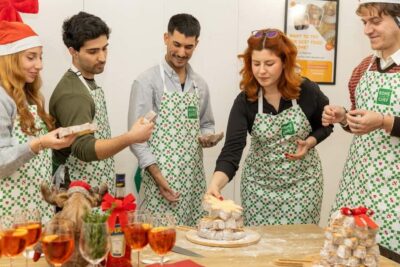
Rome Cooking Class: Make Pasta and 3 Spritz Cocktails
Read our review →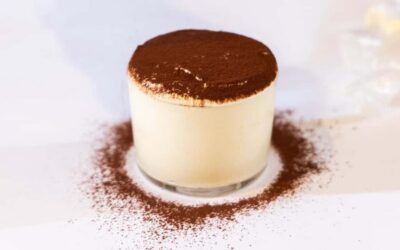
3-in-1 Fettuccine, Ravioli, and Tiramisu Cooking Class
Read our review →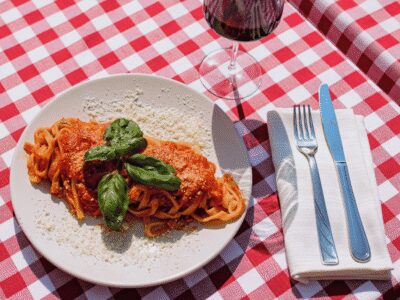
Fettuccine Pasta Cooking Class in Rome’s City Center
Read our review →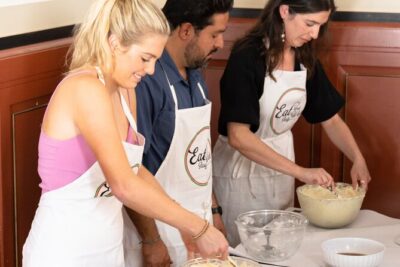
Learn to Make Pasta & Tiramisu with Wine and Limoncello Included
Read our review →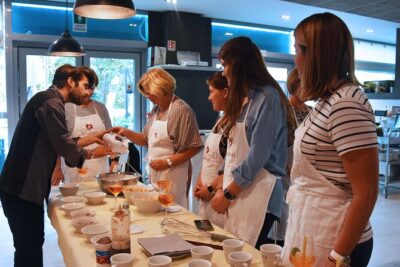
Become a Masterchef in Rome: Pasta, Ravioli and Tiramisù Class
Read our review →Browse the lists this class appears in