
REVIEW · TIRAMISU CLASSES
Rome: Pasta and Tiramisu Cooking Class with Prosecco
A glass of chilled Prosecco, a bowl of flour, and a lesson in making two Italian classics: that is the heart of this Rome cooking class. You make tiramisù first, then fresh fettuccine by hand, before sitting down to eat what you prepared.
I like the hands-on format, since you are not simply watching a chef work. I also like the social finish, with handmade pasta, local wine, and tiramisù served together. The main drawback is dietary: this class contains gluten and dairy and cannot accommodate vegans or people with gluten intolerance.
Key points to know before booking
- You make both courses yourself: The class covers tiramisù and fresh fettuccine, not just one recipe.
- Carbonara or cacio e pepe may be on the menu: You learn about two of Rome’s best-known pasta sauces.
- Prosecco starts the evening: A welcome glass helps set a relaxed tone before the cooking begins.
- Your meal is part of the lesson: You eat the pasta you prepared, with local wine, then finish with your tiramisù.
- The class lasts three hours: That gives you time to cook, ask questions, and sit down for a proper meal.
- Dietary limits matter: Gluten and dairy are part of the experience, and vegan or gluten-free participation is not suitable.
A Roman meal that begins with dessert
Most cooking classes begin with a main course and work toward something sweet. Here, you start with tiramisù. It is a clever choice because the dessert needs time to chill while you make the pasta.
You begin with a welcome from the local chef and a glass of Prosecco. Then you whisk, layer, and assemble your tiramisù. The class description does not give a fixed recipe or list every ingredient, so you should expect the chef to guide you through the method rather than arrive with a printed formula tailored to your own diet.
This first stage is less demanding than pasta-making, which makes it a comfortable way to settle in. You get used to the kitchen, meet the group, and see how the instructor explains each step. Shryis is named as one of the hosts in the feedback, while another participant highlights Sherry for her clear help and home-cooking tips. The names suggest that the teaching team may vary by session, so check the assigned guide when you book.
The practical benefit of making tiramisù first is clear: once it is assembled, it can chill while you turn to the flour. You are not rushing through dessert at the end of the meal. Instead, the dish is ready when the pasta course is finished.
More Pasta Classes with Wine in Rome
- Rome: Pasta & Tiramisu Class with Fine Wine by the Vatican
★ 4.9 · 4,852 reviews - Rome: Pasta Making Class with Wine, Limoncello, and Dessert
★ 4.9 · 3,177 reviews - Rome Cooking Class: Make Pasta and 3 Spritz Cocktails
★ 5.0 · 2,937 reviews
Rolling fettuccine by hand
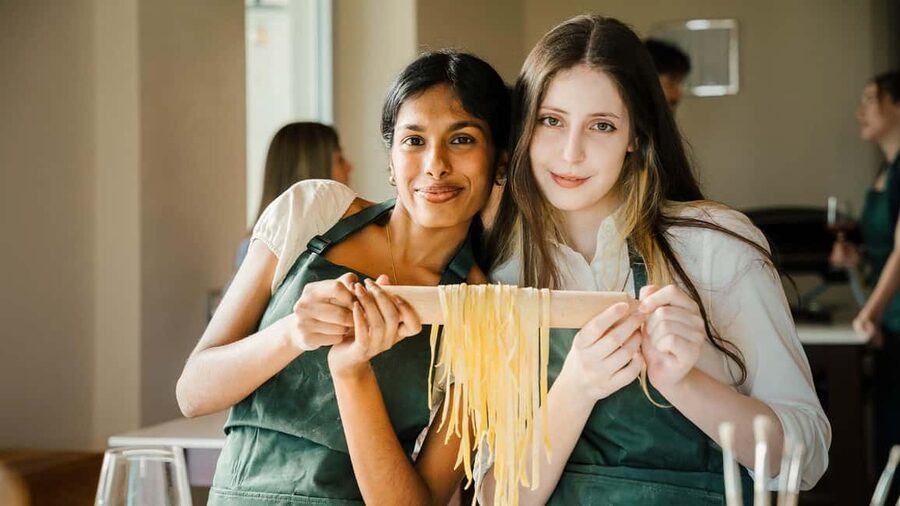
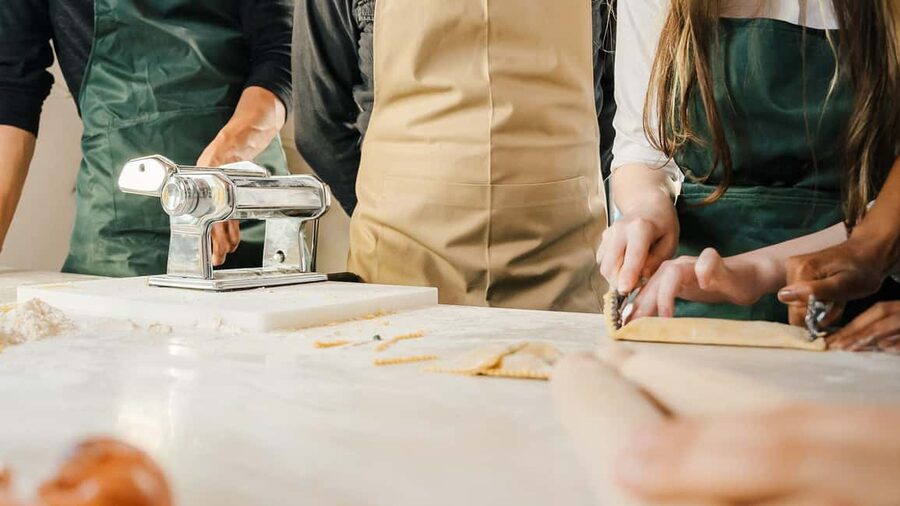
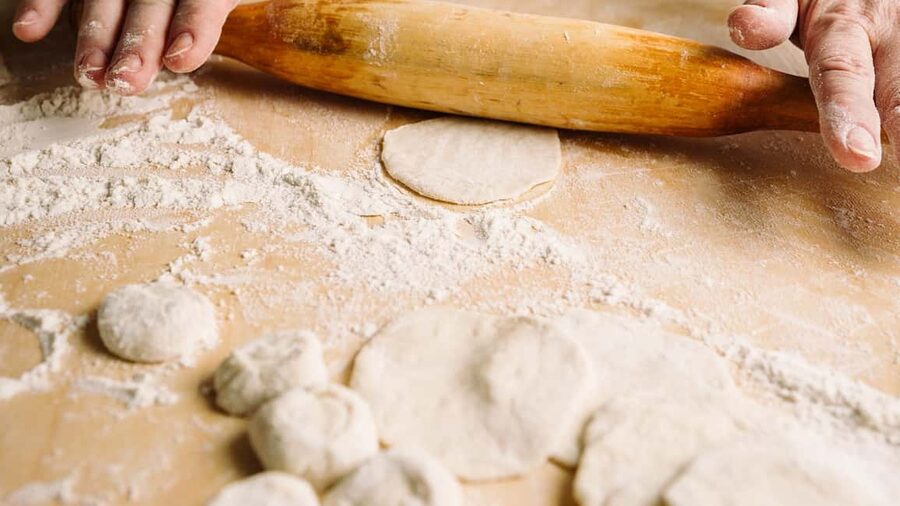
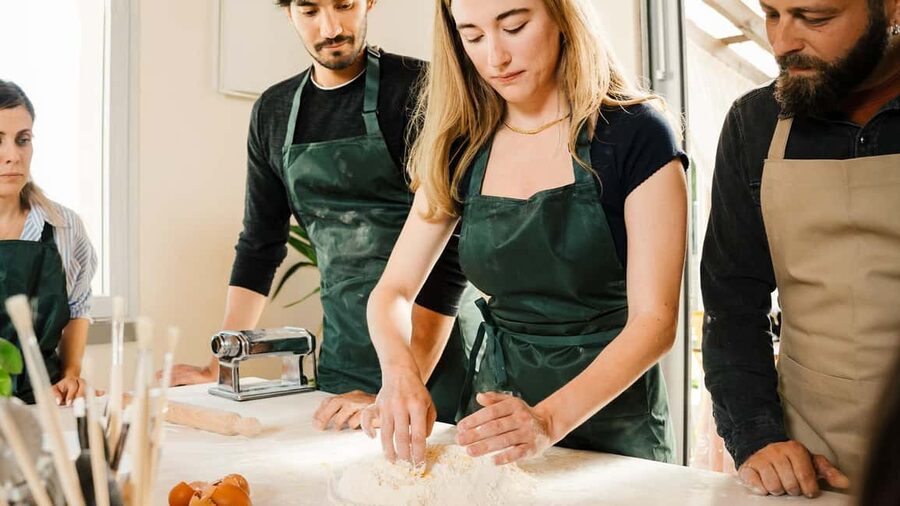
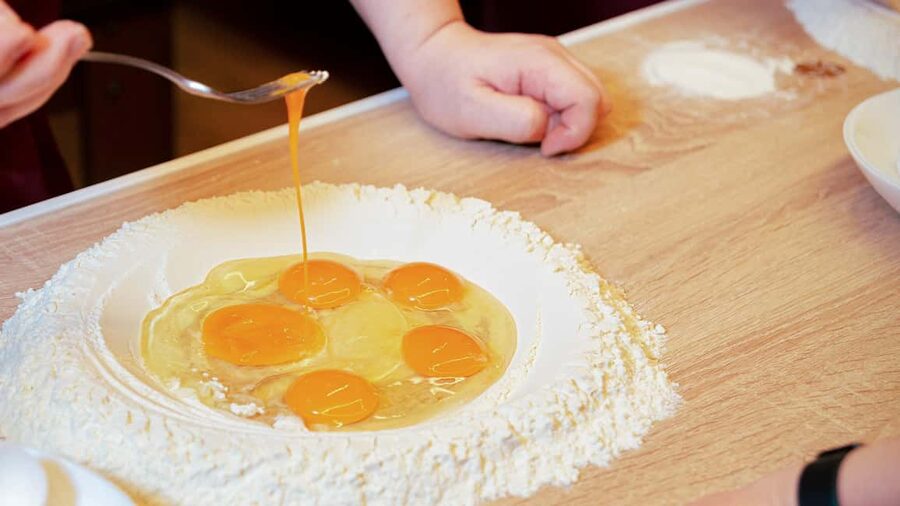
Next comes the more physical part of the class. You work with flour and learn how to make fresh fettuccine in the traditional way, by hand. Ingredients, equipment, and aprons are supplied, so you only need comfortable clothes and shoes.
Fresh pasta is a good classroom dish because you can see the results of each step. The texture of the dough changes as you work it. Cutting the sheets into ribbons gives you a direct sense of how pasta goes from a few simple ingredients to dinner.
The chef explains the process step by step and offers advice you can use at home. That matters more than a quick demonstration. A cooking lesson is worth the money only if you can repeat some of it later, and the emphasis on practical tips makes this class more useful than a meal where the kitchen does all the work.
You should expect flour on your hands and a little mess around the work area. That is part of the appeal, but it also means this is not a polished restaurant tasting. Wear casual clothing, use the apron provided, and choose shoes that are comfortable for three hours on your feet and at the table.
Carbonara, cacio e pepe, and the Roman sauce lesson

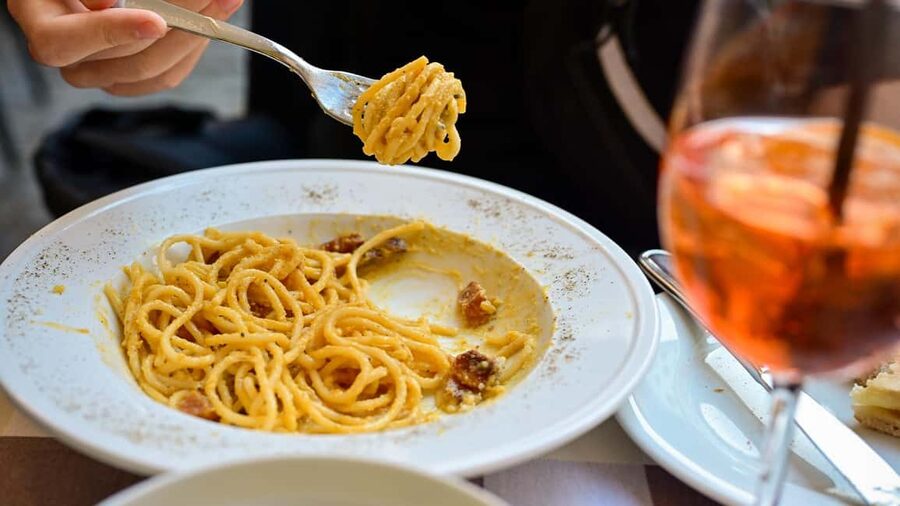
The pasta is paired with a lesson about Rome’s iconic sauces, especially creamy carbonara and peppery cacio e pepe. These dishes are famous for using relatively few ingredients, which leaves little room to hide mistakes.
That simplicity is useful for a class. You can focus on timing, texture, and balance rather than juggling a long list of ingredients. Carbonara depends on getting a smooth, creamy result without turning the egg mixture into scrambled eggs. Cacio e pepe depends on combining cheese, pepper, and pasta water into a sauce that clings to the noodles.
The supplied details do not promise that you will prepare both sauces, so do not book expecting a two-sauce tasting. The chef introduces the Roman classics and explains their methods, with the exact dish likely depending on the session. The important point is that the pasta lesson goes beyond cutting noodles. You learn how the finished dish comes together.
This is also where the class connects food with Roman culture. Carbonara and cacio e pepe are not complicated restaurant inventions requiring specialist equipment. Their appeal comes from technique and good handling of basic ingredients. That makes the lesson easy to remember and practical for a home kitchen.
Sitting down to eat what you made
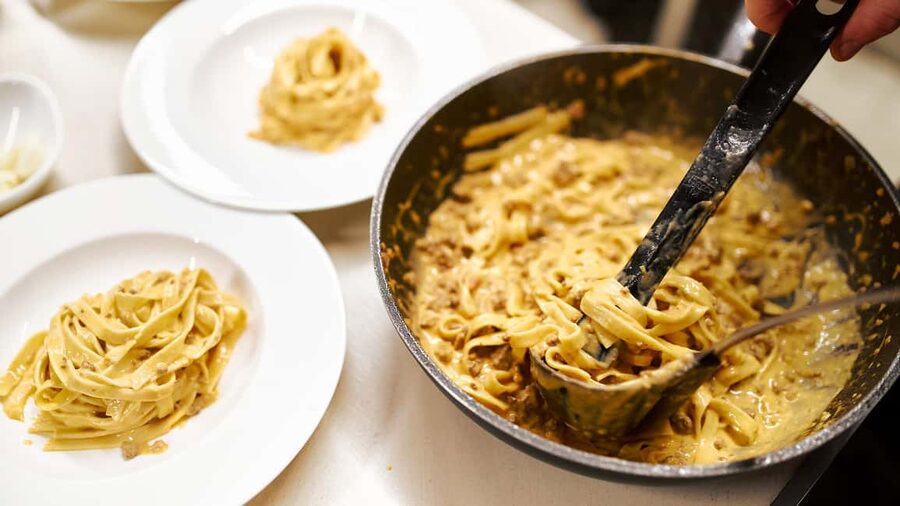
After the cooking, you sit down for dinner. Your handmade pasta is served with local wine, and the meal is shared in a social setting. The food is not a separate restaurant course prepared by someone else. You have handled the dough, followed the sauce lesson, and helped create the dish on your plate.
That shared meal is one of the strongest parts of the format. Cooking can feel instructional if you leave as soon as the last step is complete. Here, the dinner gives the group time to relax, talk, and enjoy the result. The class feedback repeatedly points to a warm atmosphere, friendly staff, and the pleasure of eating together.
The wine is local, but no specific producer or variety is provided. You should treat it as a simple pairing included with dinner, not as a dedicated wine tasting. The same applies to the Prosecco: it is a welcome drink, not an unlimited beverage package promised in the details.
At $34 per person, the value is strong if you want an activity that combines a lesson, dinner, drinks, and dessert. A comparable restaurant meal may cost more, but a restaurant will not give you the pasta-making session or the chance to take the method home. The price is especially fair for people who would otherwise book both a meal and a separate cooking activity.
The trade-off is that you should not expect a private chef or a highly specialized culinary school setting at this price. Small-group availability is offered, but the standard booking may not be private. If personal instruction is your top concern, check the group option before paying.
More Tiramisu Classes in Rome
- 3 in 1 Cooking Class near Navona: Fettuccine, Ravioli & Tiramisu
★ 5.0 · 7,376 reviews - Rome: 3-in-1 Fettuccine, Ravioli, and Tiramisu Cooking Class
★ 4.9 · 2,704 reviews - Learn to Make Pasta & Tiramisu with Wine and Limoncello Included
★ 5.0 · 2,345 reviews - Become a Masterchef in Rome: Pasta, Ravioli and Tiramisù Class
★ 5.0 · 2,156 reviews
Finishing with homemade tiramisù
Once the pasta course is over, you return to the tiramisù made earlier. This gives the dessert a satisfying role in the evening. You do not just watch a chef place a finished portion on the table. You eat the dessert you whisked and layered yourself.
Tiramisù is a particularly good choice for a social cooking class because the basic process is accessible. It also rewards careful assembly and chilling. The exact ingredients and recipe are not specified, so anyone with a strict food concern should ask before booking rather than assume substitutions are possible.
The class feedback places strong emphasis on the tiramisù tips. One participant specifically planned to make the dessert again at home, which is a useful sign for anyone looking for recipes they can repeat after returning from Rome. You should still remember that the class is a guided activity, not a take-home cookbook. Bring a phone or notebook if you want to record the method, provided the host allows it.
Ending with dessert also keeps the pacing sensible. You cook the sweet course first, eat pasta as the main meal, and finish with tiramisù. It feels like a full evening rather than two disconnected demonstrations.
The teaching style and group atmosphere
The instructors are described as friendly, organized, and ready to help. Shryis is specifically praised for being welcoming, while Sherry is noted for explaining the steps, answering questions, and offering advice for making the recipes at home. Ree is also mentioned for sharing tips about good views in Rome, which adds a small sightseeing benefit to the evening.
Do not expect a formal lecture. The tone appears to be practical and social, with the chef moving through the recipe while helping people at the worktables. That suits beginners who want clear guidance without a serious culinary-school atmosphere.
Language support is broad. The class is offered in English, Spanish, Italian, Portuguese, French, and German. You should confirm your preferred language when selecting a session, since the available instructor may vary by date.
The class has received a perfect rating from six listed bookings, with praise focused on organization, friendliness, the food, and the welcoming atmosphere. That is a small sample, so I would not treat it as proof that every session will be identical. Still, the comments are consistent about the main strengths: the activity is easy to follow, the staff is attentive, and the finished food is enjoyable.
Who will enjoy this class most
This is a good fit if you want a relaxed food activity with a real meal at the end. Couples, friends, families with older children, and solo visitors who enjoy meeting people can all make good use of the three hours.
It also suits first-time pasta makers. You do not need to bring equipment or ingredients, and the chef leads the process. If you have always wanted to learn fresh pasta but do not want a technical workshop, this format keeps things approachable.
The class is less suitable for anyone seeking a quiet, private dinner. The social side is part of the point, and the available small-group option does not automatically mean every booking is private. It may also be a poor choice for a packed sightseeing day if you cannot arrive on time. Late arrivals cannot join and cannot receive a refund.
People with dietary restrictions should take the warning seriously. The class contains gluten and dairy. It is not suitable for vegans or people with gluten intolerance, and you should tell the provider about any other dietary restriction in advance. No transport or pickup is included, and the meeting point can vary by booking option, so allow time to reach the correct location.
The activity is listed as wheelchair accessible, but the meeting point and exact setup may differ. If you need specific access arrangements, confirm them before booking rather than relying only on the general accessibility label.
What the three hours are really worth

The strongest value comes from combining several things into one modestly priced evening. You receive a Prosecco welcome, a tiramisù session, pasta instruction, a dinner portion, local wine, and dessert. Ingredients, aprons, and equipment are included, so there are no obvious extra costs once you arrive.
At $34, this is inexpensive for a three-hour Rome activity that includes food. I would book it for the practical lesson and the social meal, not simply because it is cheap. The best value comes when you care about learning how to make the dishes and want an evening away from the usual sightseeing route.
The reservation terms also help if your schedule is still moving. You can reserve now and pay later, and cancellation is free up to 24 hours in advance for a full refund. That flexibility is useful in Rome, where museum times, train connections, and hot weather can change your plans.
The one logistical rule that matters most is punctuality. Late arrivals cannot join or receive a refund. Check the start time, confirm the meeting point for your selected option, and leave enough time to get there.
Should you book the Rome pasta and tiramisù class?
I would book this class if you want a friendly, hands-on Roman evening rather than another sightseeing stop. The combination of fresh fettuccine, tiramisù, Prosecco, local wine, and a shared meal gives you plenty to do for three hours, and the price is appealing.
Skip it if you need vegan or gluten-free food, dislike group activities, or want a private lesson with a fixed menu and detailed wine program. For everyone else, especially beginners who want to recreate part of the meal at home, this is a practical and enjoyable use of an evening in Rome.
FAQ
How long does the cooking class last?
The activity lasts three hours. Check availability for the starting times offered on your chosen date.
What food and drinks are included?
The class includes a Prosecco welcome drink, a tiramisù-making session, a pasta-making session, dinner with handmade pasta, local wine, and the tiramisù you prepare.
Are ingredients, equipment, and aprons provided?
Yes. Ingredients, cooking equipment, and aprons are included. Comfortable shoes and comfortable clothes are recommended.
Is the class suitable for vegans or people with gluten intolerance?
No. The class contains gluten and dairy and is not suitable for vegans or people with gluten intolerance. Tell the provider in advance about other dietary restrictions.
Which languages are available?
Instruction is available in English, Spanish, Italian, Portuguese, French, and German.
Is the activity wheelchair accessible?
Yes, the activity is listed as wheelchair accessible. The meeting point may vary by booking option, so confirm the details if you need specific access information.
Can I cancel or pay later?
You can reserve now and pay later. Cancellation is allowed up to 24 hours in advance for a full refund. Late arrivals cannot join and cannot receive a refund.
Recently added in Rome
- Trastevere Food Tour with Pasta-Making Class★ 5.0 · 5 reviews
- Traditional Pasta Cooking Class with Tiramisu Small Group★ 5.0 · 7 reviews
- Rome: Pasta and tiramisu class with wine pairing at Come Na Vorta★ 5.0 · 30 reviews
- Spritz and Pasta! Spritz, Fettuccine & Tiramisù★ 5.0 · 2 reviews
- The Pasta Factory Class★ 4.5 · 21 reviews
- Top Class in Fettuccine, Ravioli, and Tiramisu★ 5.0 · 7 reviews
- Private 4 Roman Pastas Tasting Tour in Rome★ 5.0 · 6 reviews
- Authentic Pasta and Tiramisù cooking class at spanish steps★ 4.5 · 14 reviews
Tiramisu Classes, compared.
3 in 1 Cooking Class near Navona: Fettuccine, Ravioli & Tiramisu
Read our review →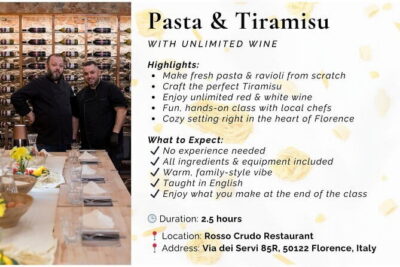
Pasta & Tiramisu Cooking Class with Unlimited Wine
Read our review →
Pasta & Tiramisu Class with Fine Wine by the Vatican
Read our review →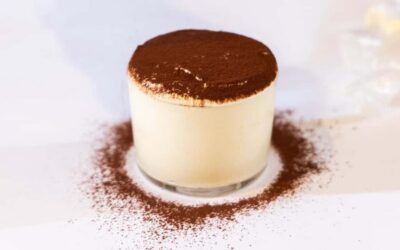
3-in-1 Fettuccine, Ravioli, and Tiramisu Cooking Class
Read our review →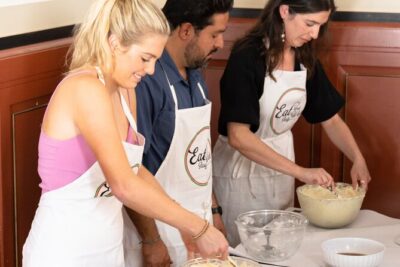
Learn to Make Pasta & Tiramisu with Wine and Limoncello Included
Read our review →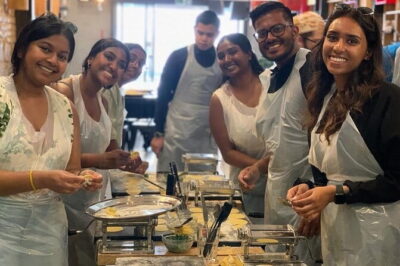
Cooking Class Pasta & Tiramisu Making Unlimited Wine
Read our review →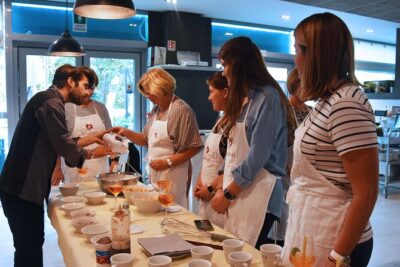
Become a Masterchef in Rome: Pasta, Ravioli and Tiramisù Class
Read our review →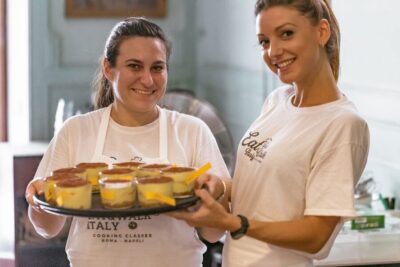
Fettuccine & Tiramisù: Cooking Class with Wine & Limoncello
Read our review →Browse the lists this class appears in