
REVIEW · TIRAMISU CLASSES
Rome: pasta and tiramisu cooking class in the city center
Fresh pasta is one of Rome’s best souvenirs because you can carry the skill home. At Cantiere Gastronomico, you work with basic ingredients, knead the dough, shape several pasta cuts, and finish with tiramisu in an elegant salon near Via Veneto. The class is led by Francesco and Oliviero, with advice shaped by the school’s partnership with Chinappi restaurant.
I like the hands-on format and the fact that the meal is included, so the two hours end at the table rather than with a quick taste and goodbye. I also like the warm, practical teaching style reported by French-speaking participants, including help from a French-speaking member of the team. The main consideration is time: two hours is enough for a focused lesson, but not for a slow, multi-course culinary workshop.
Key points to know before booking
- Location near Via Veneto: The class takes place in an elegant central Roman salon tied to the old Dolce Vita district.
- Pasta from the start: You work with simple ingredients, dough, and several fresh shapes, including fettuccine, tagliatelle, and tagliolini.
- Tiramisu is made by hand: Dessert is part of the lesson, not an afterthought.
- Meal and drinks included: You eat the dishes you prepare with a glass of wine, water, and soft drinks.
- Experienced culinary backing: Cantiere Gastronomico works with Chinappi, a Roman haute cuisine restaurant operating for more than 15 years.
- Useful language range: Instruction is available in English, Italian, Russian, and French.
Fresh pasta near Via Veneto, not a staged restaurant show
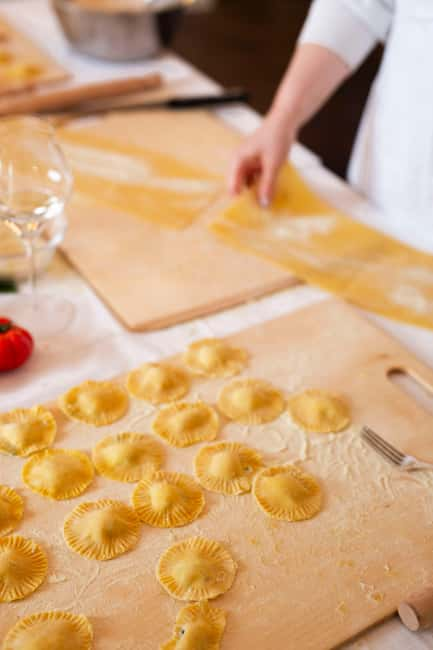
The appeal here is simple: you do the work. You are not watching a chef toss pasta from a safe distance while someone else handles the difficult parts. You start with the ingredients, follow the dough through its early stages, and shape fresh pasta with guidance along the way.
That matters because fresh pasta often looks easier than it is. The ingredients are familiar, but the texture of the dough, the pressure used while working it, and the shape of the finished noodles all affect the result. A good class gives you enough help to avoid frustration while still letting you make the food yourself.
The setting adds a pleasant Roman touch. You are in an elegant, well-kept salon in the city center, just a short distance from Via Veneto. This is the district linked with Rome’s Dolce Vita years, so the class can fit neatly into a day of central sightseeing. It is not described as a rustic farmhouse kitchen. Instead, expect a polished urban setting with a friendly cooking-school feel.
The location is useful for another reason: you do not need to give up a full day of sightseeing to attend. The class lasts two hours, and starting times vary, so you can check available sessions against your plans for the Spanish Steps, Villa Borghese, or the area around Via Veneto.
More Tiramisu Classes in Rome
- 3 in 1 Cooking Class near Navona: Fettuccine, Ravioli & Tiramisu
★ 5.0 · 7,376 reviews - Rome: Pasta & Tiramisu Class with Fine Wine by the Vatican
★ 4.9 · 4,852 reviews - Rome: 3-in-1 Fettuccine, Ravioli, and Tiramisu Cooking Class
★ 4.9 · 2,704 reviews
What happens during the two-hour lesson
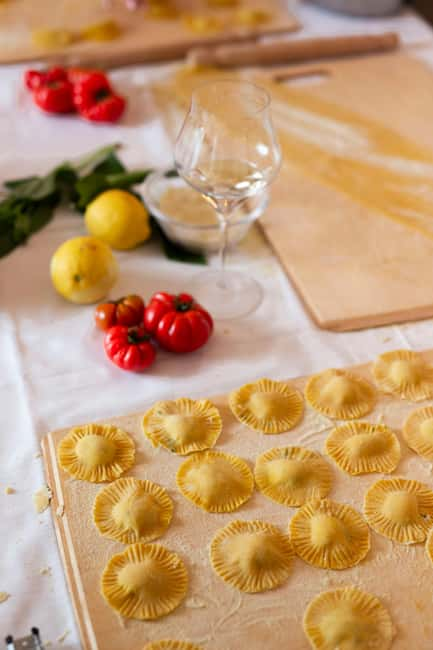
The class follows a clear food-first order. You begin with fresh pasta, then move to tiramisu, and finish by eating the results. That structure keeps the session moving and gives you a satisfying end point.
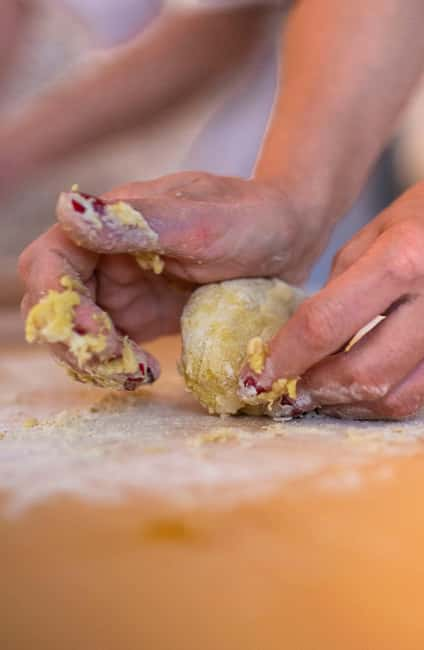
First comes the pasta dough. You use basic, genuine ingredients and learn the traditional method for bringing them together. The important part is not only memorizing a recipe. You learn how the dough should feel as you work it, and you get immediate correction if your technique needs a small adjustment.
The class covers several pasta shapes. Fettuccine, tagliatelle, and tagliolini are specifically included, while ravioli can be available on request. These shapes are similar enough to compare but different enough to make the lesson useful. You begin to see how cutting and handling change the final pasta.
The instructors guide the process step by step. That is especially helpful if you have never made pasta before, or if you have tried at home and ended up with dough that was too dry, too sticky, or difficult to roll. The teaching style is described as patient and clear, with time spent explaining each stage rather than rushing to the meal.
The partnership with Chinappi adds a professional restaurant connection. Chinappi is a Roman haute cuisine restaurant with more than 15 years in business. That does not turn this into a restaurant kitchen apprenticeship, but it suggests that the cooking team brings restaurant discipline and technique to a casual class.
Tiramisu gives the class a sweet finish
After the pasta, you prepare tiramisu using a traditional recipe with a personal touch. This is a smart addition to the lesson because it gives you a second useful recipe to take home.
Pasta dough and tiramisu teach different skills. The pasta section is physical and practical, with kneading and shaping. Tiramisu is more about assembling ingredients correctly and understanding how the dessert comes together. By the end, you have covered both a savory staple and a classic Italian dessert.
The tiramisu is made by you, not simply served as a reward. That makes the final meal feel earned, even if the class remains relaxed. The recipe is also the kind of dish many people want to recreate after returning home, especially since it does not require a pasta machine or specialist equipment.
The phrase traditional recipe is important here. You should expect a classic preparation rather than an elaborate pastry course. The unique touch adds some personality, but the lesson remains rooted in a familiar Italian dessert.
From kitchen table to shared meal
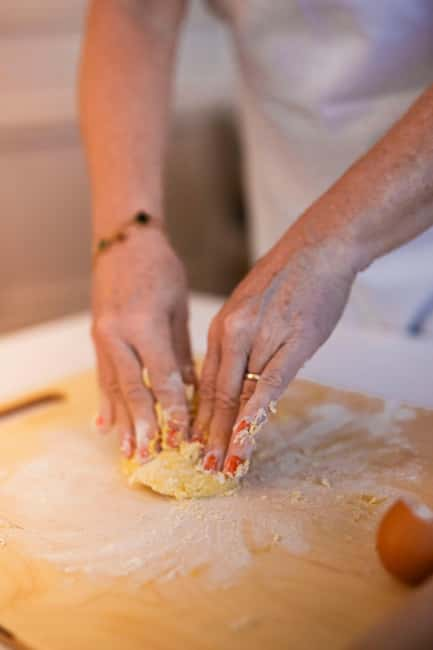
The class ends with a full tasting of the dishes covered in the lesson. You sit down and eat what you prepared, accompanied by a glass of wine. Water and soft drinks are included as well.
I like this setup because it gives the class a proper rhythm. You learn, cook, and then pause to enjoy the result. A short tasting can feel like a sample; a meal gives you time to talk, compare results, and let the lesson settle.
The included drinks add real value to the $70 price. You are not paying for instruction alone. You also receive a welcome prosecco, the food used in the lesson, the final meal, wine, water, and soft drinks. For a central Rome activity lasting two hours, that makes the cost reasonable, especially if you want both a meal and a skill-based activity.
Still, keep your expectations in check. The class is not presented as a long restaurant dinner or an advanced chef-training session. The value comes from the combination of personal instruction, hands-on work, food, and a central location. If you mainly want to eat and do not care about making pasta, a regular restaurant meal may suit you better.
Same town, a different thing to roll out:
- Rome: Pasta Making Class with Wine, Limoncello, and Dessert
★ 4.9 · 3,177 reviews - Rome Cooking Class: Make Pasta and 3 Spritz Cocktails
★ 5.0 · 2,937 reviews - Rome: Fettuccine Pasta Cooking Class in Rome’s City Center
★ 4.8 · 2,414 reviews - Learn to Make Pasta & Tiramisu with Wine and Limoncello Included
★ 5.0 · 2,345 reviews
The teaching team and the tone of the class
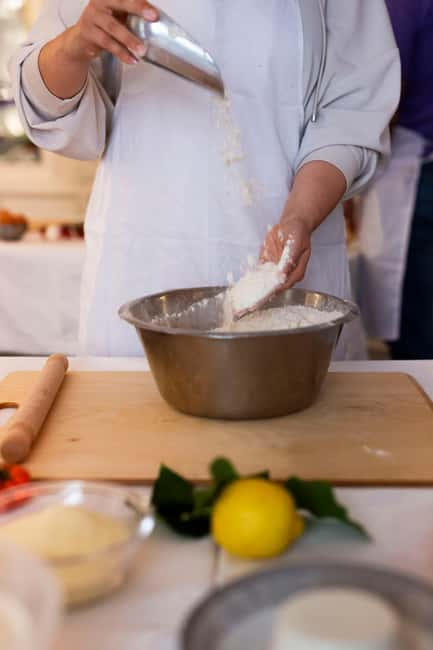
Cantiere Gastronomico is described as a young cooking school built around learning by doing. That idea comes through in the format. You are encouraged to take part, ask questions, and improve from one step to the next.
Francesco and Oliviero are the named members of the teaching team. The class also has language support in English, Italian, Russian, and French. That broad language range can make a practical difference, since pasta instruction depends on small details about texture, pressure, timing, and shape.
French-speaking participants have found the explanations especially helpful, including support from a French-speaking member of the team. If French is your preferred language, check the language availability when choosing a session. The advertised instructor languages are English, Italian, Russian, and French, but the exact mix of instructors may vary by class.
The tone sounds friendly rather than formal. You can expect cooking advice, small food facts, and kitchen tips alongside the basic method. The class also has a social side, with conversation and shared food built into the schedule. That makes it a good fit for couples, families, and solo visitors who enjoy meeting people through food.
Why the Via Veneto setting matters
Via Veneto is not simply a convenient address. It is tied to Rome’s mid-century Dolce Vita image, when the street became associated with fashionable hotels, cafés, and film culture. The cooking school’s elegant salon fits that setting better than a bare utility kitchen would.
You can pair the class with a walk through one of central Rome’s more polished districts. The activity gives you a break from monuments and museum rooms, while still keeping you close to the city’s historic core.
The location also makes this a sensible choice on a short Rome visit. You do not need transport service unless you request it, and transfer service is not part of the standard price. Plan your own way to the venue and allow enough time to arrive before the class begins.
Because the class is in the city center, the setting may feel more refined and urban than hands-on cooking schools outside Rome. That is a plus if you want to combine food with sightseeing. It may be less appealing if your ideal cooking lesson involves a country house, garden, or market visit, none of which is included here.
Who will get the most from this class
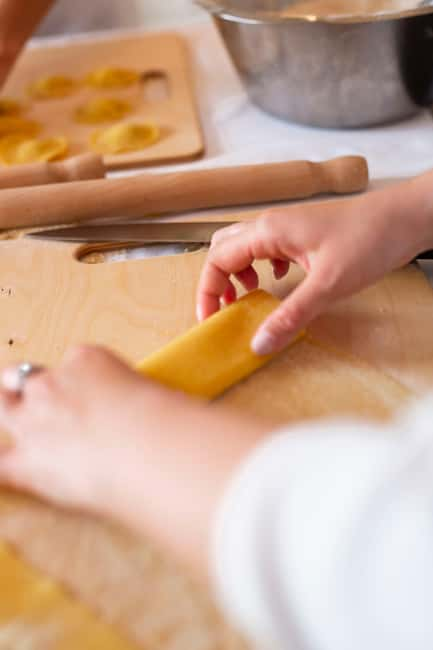
I would recommend this class to anyone who wants more than a food tour but less than a full-day culinary course. Two hours is a manageable commitment in a city where every extra hour can affect your sightseeing plans.
It is particularly suitable for:
- First-time pasta makers who want close guidance
- Couples looking for a shared activity near central Rome
- Families who enjoy practical, participatory lessons
- Home cooks who want recipes they can repeat
- Visitors who prefer a meal with an activity built into it
- People who need English, French, Italian, or Russian instruction
You should think twice if you dislike group activities, prefer highly private instruction, or want to focus on advanced techniques. The available information does not specify private classes or group size, so you should ask the provider if that point matters to you.
The class is also not a substitute for a market tour. You will work with the ingredients used in the lesson, but shopping, regional food history, and a broader tour of Roman cuisine are not part of the stated program.
What the $70 price includes
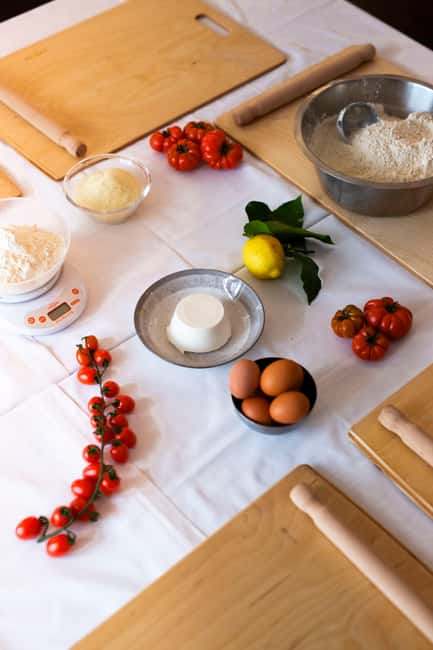
At $70 per person, the price covers much more than a recipe demonstration. You receive a welcome prosecco, the pasta lesson, tiramisu preparation, a full meal based on the dishes covered, wine, water, soft drinks, and a paper or digital certificate of participation.
The certificate is a small extra rather than the main reason to book. The real value is the instruction and the food. If you cook at home, the lessons can continue paying off after the trip because fresh pasta and tiramisu are both practical recipes to repeat.
The Chinappi connection also gives the class a stronger culinary foundation than a casual social event. You are still signing up for a friendly cooking school rather than a professional qualification, but the restaurant partnership adds useful credibility.
The main limit is the two-hour duration. You will learn several pasta shapes and make dessert, but the pace must be efficient. Expect a guided introduction to the techniques, not hours of slow practice on every possible pasta style.
Practical details before you reserve
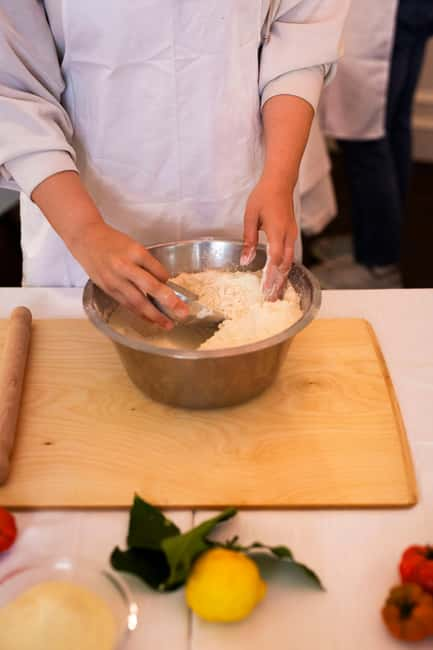
The class is wheelchair accessible. Instructor languages include English, Italian, Russian, and French, and some content may be presented in its original language.
You can cancel up to 24 hours in advance for a full refund. A reserve-now, pay-later option is available, which can help if your Rome schedule is still changing.
Photo shoots and transfer service are not included, but both can be requested separately. If professional photographs or door-to-door transport matter to you, ask about availability and extra cost before booking.
Starting times vary. Check the available session times carefully, then allow for your route across central Rome. Since the class is near Via Veneto, it is best treated as part of a day in that area rather than as an activity you squeeze in from the far edge of the city.
Should you book Cantiere Gastronomico?
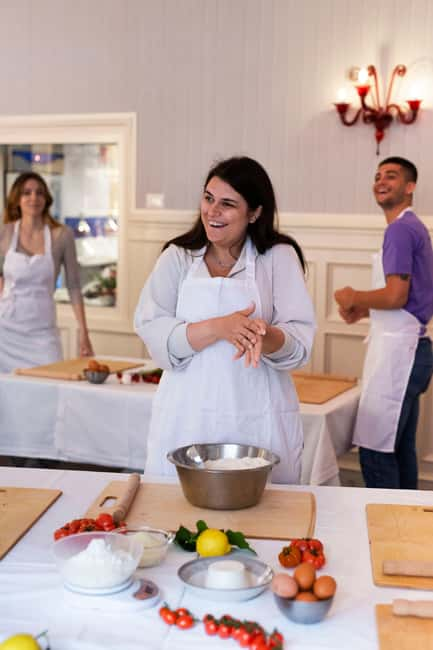
Book it if you want to learn a real pasta skill, eat the food you make, and spend two relaxed hours in central Rome. The combination of fresh pasta, handmade tiramisu, included drinks, and patient instruction makes the $70 price fair.
I especially like the practical nature of the lesson and the professional connection with Chinappi. Francesco and Oliviero, along with the available French-language support, make this a sensible choice for an international group.
Skip it if you want a long countryside cooking day, a market visit, or an advanced private workshop. For a compact city-center class that gives you recipes, a meal, and a pleasant Roman setting, it is an easy one to recommend.
FAQ
Where does the pasta and tiramisu class take place?
The class takes place in an elegant location in central Rome, a short distance from Via Veneto, the area associated with the city’s Dolce Vita period.
How long does the cooking class last?
The class lasts two hours. Starting times vary, so you need to check the available sessions when booking.
What pasta will I learn to make?
The hands-on lesson covers fresh pasta such as fettuccine, tagliatelle, and tagliolini. Ravioli may be available on request.
Is tiramisu included in the lesson?
Yes. You make tiramisu by hand using a traditional recipe with a personal touch.
What food and drinks are included?
The price includes a welcome prosecco, the full meal based on the dishes prepared during the class, wine, water, and soft drinks.
Which languages are available, and is the venue wheelchair accessible?
Instruction is available in English, Italian, Russian, and French. The venue is wheelchair accessible.
Recently added in Rome
- Trastevere Food Tour with Pasta-Making Class★ 5.0 · 5 reviews
- Traditional Pasta Cooking Class with Tiramisu Small Group★ 5.0 · 7 reviews
- Rome: Pasta and tiramisu class with wine pairing at Come Na Vorta★ 5.0 · 30 reviews
- Spritz and Pasta! Spritz, Fettuccine & Tiramisù★ 5.0 · 2 reviews
- The Pasta Factory Class★ 4.5 · 21 reviews
- Top Class in Fettuccine, Ravioli, and Tiramisu★ 5.0 · 7 reviews
- Private 4 Roman Pastas Tasting Tour in Rome★ 5.0 · 6 reviews
- Authentic Pasta and Tiramisù cooking class at spanish steps★ 4.5 · 14 reviews
Tiramisu Classes, compared.
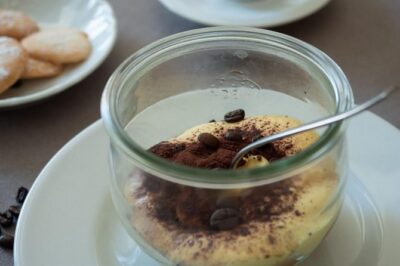
3 in 1 Cooking Class near Navona: Fettuccine, Ravioli & Tiramisu
Read our review →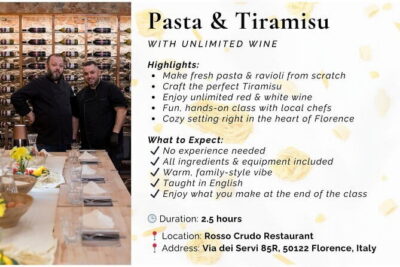
Pasta & Tiramisu Cooking Class with Unlimited Wine
Read our review →
Pasta & Tiramisu Class with Fine Wine by the Vatican
Read our review →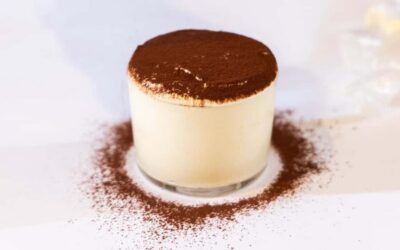
3-in-1 Fettuccine, Ravioli, and Tiramisu Cooking Class
Read our review →
Learn to Make Pasta & Tiramisu with Wine and Limoncello Included
Read our review →
Cooking Class Pasta & Tiramisu Making Unlimited Wine
Read our review →
Become a Masterchef in Rome: Pasta, Ravioli and Tiramisù Class
Read our review →
Fettuccine & Tiramisù: Cooking Class with Wine & Limoncello
Read our review →Browse the lists this class appears in