
REVIEW · TIRAMISU CLASSES
Verona: Pasta & Tiramisu Cooking Class at a Local’s Home
Fresh pasta is best learned with your hands, not from a recipe card. In this three-hour Verona cooking class, you roll sfoglia by hand, prepare two pasta dishes, and make tiramisu in a local host’s home.
I like the small maximum of 12 people and the relaxed start with prosecco and nibbles. I also like that you eat what you make, with wine and coffee included. The main drawback is practical: the host’s address is shared only after booking, and the class is not suitable for wheelchair users.
Key points at a glance
- Roll sfoglia by hand: Learn the old-fashioned method for turning dough into fresh pasta.
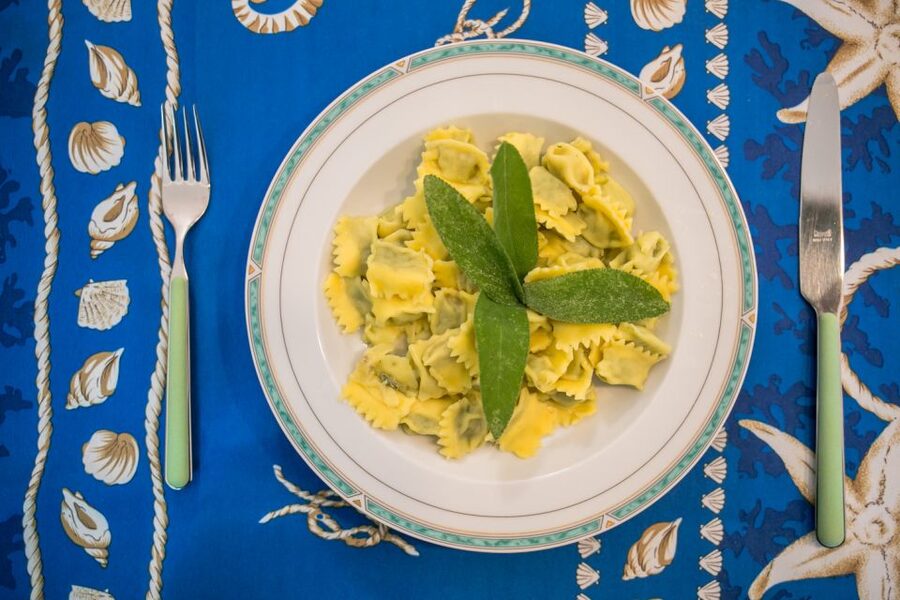
- Cook two pasta styles: The exact recipes may vary, with ravioli and tagliatelle appearing in one session.
- Make tiramisu early: Preparing the dessert at the beginning gives it time to set.
- Start with an Italian aperitivo: Prosecco and small bites make the first few minutes feel social rather than rushed.
- Eat a full handmade meal: Your pasta and tiramisu are served with wine, water, and coffee.
- Meet a Cesarina host: The class takes place in a private local home, with English and Italian instruction.
What this Verona cooking class is really like
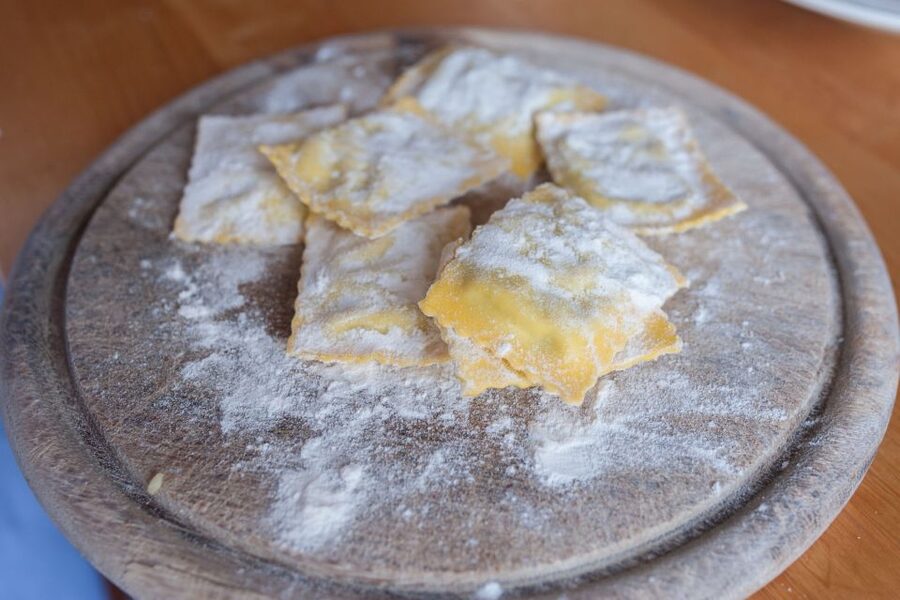
This is not a demonstration where you sit quietly and watch a chef work. You are expected to mix, roll, shape, and assemble the food yourself. That matters because fresh pasta makes more sense once you feel the dough change under your hands.
The setting is a local home in Verona, arranged through the Cesarine network of Italian home cooks. You receive the full address only after booking, which protects the host’s privacy but means you cannot judge the exact neighborhood or walking route in advance.
The class lasts three hours. That is long enough for a proper meal and a useful lesson, but short enough to fit into a day of sightseeing. You can choose a lunch or dinner session based on the available starting times.
The maximum group size is 12. That is still a group, not a private lesson, but it should give the host room to help participants while keeping the mood personal. If you are hoping for an entirely private experience, this is not the right format.
More Tiramisu Classes in Verona:
- Verona: Pasta and Tiramisu Cooking Class With Free Flowing Wine
★ 5.0 · 575 reviews - Verona: Hands-on Fresh Pasta and Tiramisù Cooking Class
★ 4.9 · 295 reviews - Verona: Italian Cooking Class with Pasta, Risotto and Tiramisù
★ 5.0 · 268 reviews
Prosecco first, then the work begins
The opening aperitivo gives the class a friendly rhythm. You start with prosecco and small bites before moving into the cooking. Water is also included, so you are not left buying drinks as the lesson unfolds.
I like this opening because it lets everyone settle in. A cooking class can feel awkward for the first few minutes, especially when people arrive as strangers. A glass of prosecco and a few nibbles provide an easy start before flour appears on the table.
The aperitivo is also a useful clue about the tone of the experience. This is built around Italian hospitality, not just kitchen technique. You are there to prepare food, but also to share a meal in someone’s home.
Keep your expectations sensible. The supplied details do not promise a market visit, a kitchen tour, or a lesson in regional food history. The focus is firmly on pasta, tiramisu, and eating together.
Rolling sfoglia by hand
The central skill is rolling sfoglia, the Italian term for fresh pasta dough. You learn to work it by hand rather than relying only on a machine. This is the part of the class most likely to stay useful after your holiday.
Hand-rolled pasta also gives you a better sense of what goes into the dish. You see the dough become thinner and more workable as you continue. The lesson is not only about the finished plate. It teaches you how fresh pasta is formed before sauce or filling enters the picture.
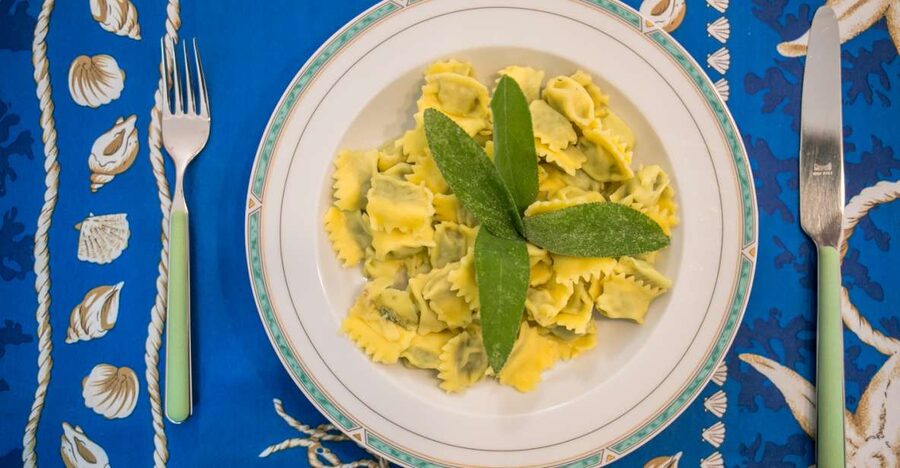
After the dough is ready, you prepare two different pasta types. The recipes are described as two iconic styles, but the exact pair can vary. One session featured ravioli and tagliatelle, which makes a good contrast: one filled pasta and one long cut pasta.
That variation is worth noting. You should book this for the hands-on process and the shared meal, not because you are guaranteed a specific pasta shape. If ravioli or tagliatelle matters to you, ask about the menu before booking.
Two pasta dishes, with useful variety
Making two pasta types in one class gives you more than a single technique. Ravioli teaches shaping and filling, while tagliatelle teaches cutting and handling long strands. You leave with a broader idea of what fresh pasta can become.
A reported class with Adele included ravioli and tagliatelle. The tagliatelle was served with asparagus, while the ravioli came with a butter and cream sauce. Those details show how the pasta may be paired with straightforward sauces that let the fresh dough remain the main feature.
Do not expect restaurant-level complexity for its own sake. The appeal is that the dishes are simple enough to repeat at home. A recipe you can make again is often more valuable than an elaborate plate that depends on specialist equipment or hard-to-find ingredients.
The class also suits mixed skill levels. One session was adapted for children, which suggests that families may find the format workable. Still, no specific minimum age is provided, so families should confirm suitability when booking.
Other Verona classes worth putting on the shortlist
- My Granny’s secrets: Making pasta in the heart of Verona
★ 5.0 · 131 reviews - Verona Arena: The ORIGINAL Fresh Pasta and Tiramisu Cooking Class with wine
★ 4.9 · 128 reviews - Verona: Authentic Pasta Making Class with a Local Family
★ 5.0 · 64 reviews - Bardolino: Garda Lake Pasta Cooking Class at the Agritourism
★ 5.0 · 32 reviews
Tiramisu made early for a reason

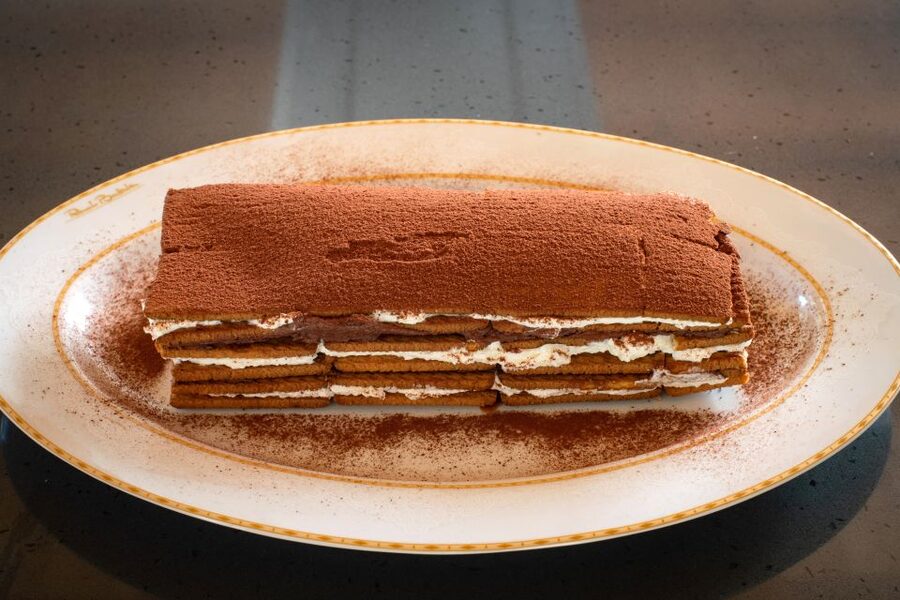
The dessert is not an afterthought. You learn to prepare the iconic tiramisu as part of the lesson, and the sensible move is to make it near the beginning so it has time to set before the meal ends.
That small piece of timing makes the class feel like a real cooking session rather than a series of unrelated demonstrations. You prepare one course, move on to the pasta, and return to the dessert when it is ready to serve.
The supplied information does not list the exact tiramisu ingredients or method. You should expect instruction in making the dessert, but not assume that a particular family recipe, alcohol, or dietary variation is included unless you arrange it in advance.
For many people, tiramisu will be the easiest dish to repeat at home. Pasta dough takes practice. The dessert offers a more direct souvenir of the lesson, especially if you pay attention to the order of preparation and the texture at serving time.
Sitting down to eat your own work
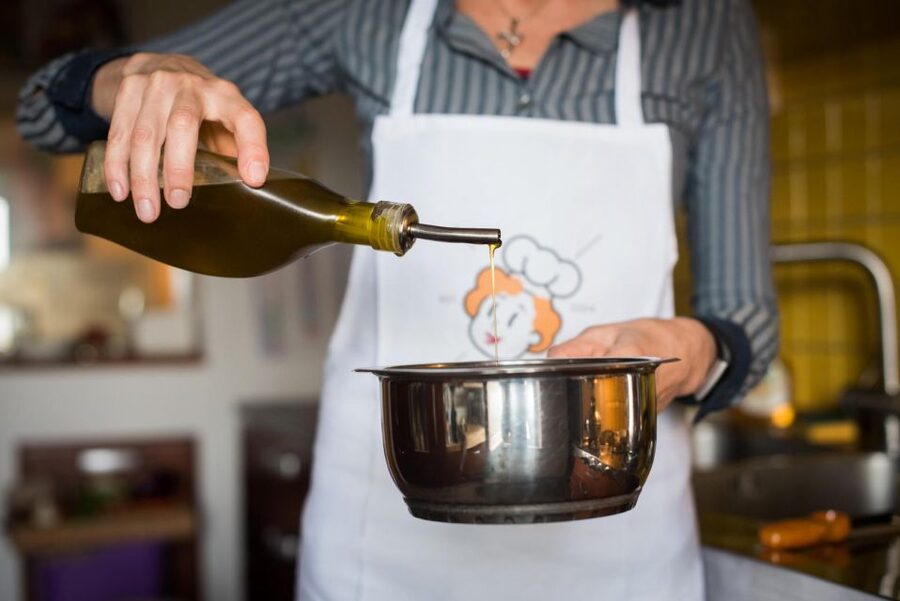
The tasting is the reward for the kitchen work. You eat both pasta recipes and the tiramisu at the host’s home, with wine, water, and coffee included.
I like this part because the food has a story attached to it. You are not simply handed a plate of pasta. You have rolled the dough, shaped at least two styles, and helped make the dessert. Even a slightly uneven ravioli becomes part of the meal rather than a mistake to hide.
Wine is included with the meal, and coffee rounds out the experience. The information does not specify the number of glasses or the wine selection, so treat the drinks as accompaniment rather than a tasting program.
The meal may also be the most social part of the class. You share the table with the other participants and the host. If you enjoy food more when it comes with conversation, this home setting has a clear advantage over a standard restaurant meal.
The hosts make the difference
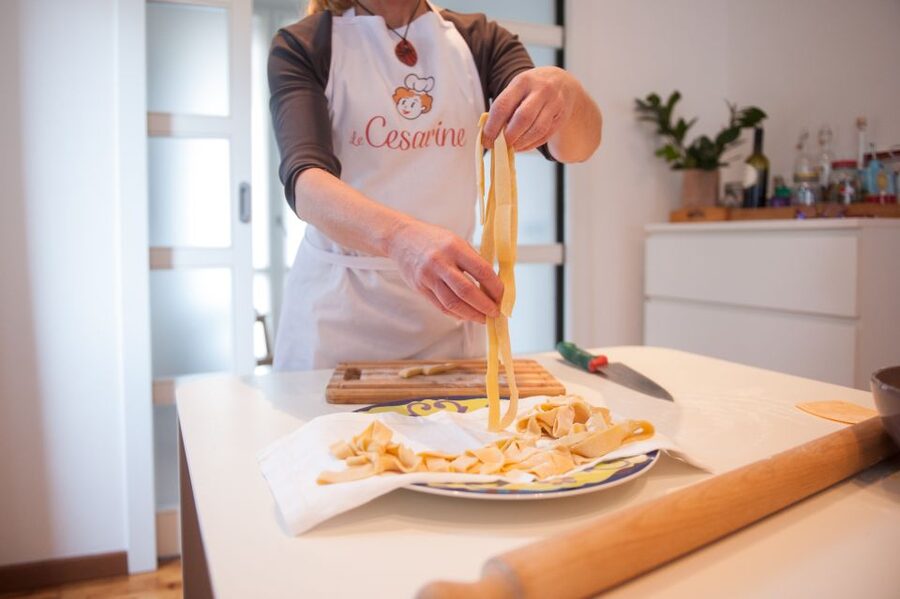
Your host is a Cesarina, part of Italy’s established network of home cooks. The experience depends heavily on the individual person welcoming you into her home, so the human side matters as much as the recipes.
Michela is described as kind, generous, and full of character, with the class feeling personal and intimate. Adele is described as a warm teacher who greeted a group with appetizers and wine, stayed involved throughout, and ate with them afterward.
Those details point to an important strength: the host is not simply working through a script and sending you away. The format encourages contact and conversation. Adele’s class, for example, was tailored to four sisters and made them feel especially welcome.
Your host may be Michela, Adele, or another Cesarina. The available information does not guarantee a particular person, so do not book on the assumption that you will meet one named host. Instead, value the home setting and the chance to learn from a local cook.
Instruction is available in Italian and English. That makes the class accessible to English-speaking visitors, though the experience remains rooted in an Italian household rather than an international cooking school.
Is $152.93 a fair price?
At $152.93 per person, this is not a cheap meal. It is also more than the price of a basic pasta dish in Verona. The value comes from combining instruction, ingredients, a three-hour activity, a full tasting, drinks, and a private-home setting.
You are paying for more than food. The fee includes the aperitivo, two pasta preparations, tiramisu, wine, water, coffee, local taxes, and the host’s time. If you planned to eat lunch or dinner in Verona anyway, part of the cost replaces a normal meal, though not all of it.
The price makes the most sense for you if you want an activity with a practical takeaway. You learn how to roll sfoglia and prepare dishes you can try again at home. It makes less sense if you mainly want a quick meal or prefer to spend your budget on monuments, museums, and restaurants.
The small-group limit helps support the price. A maximum of 12 is not the same as a private class, but it keeps the experience more personal than a large culinary workshop. The exact value will also depend on the host, the group chemistry, and the recipes served that day.
Who will enjoy this most?
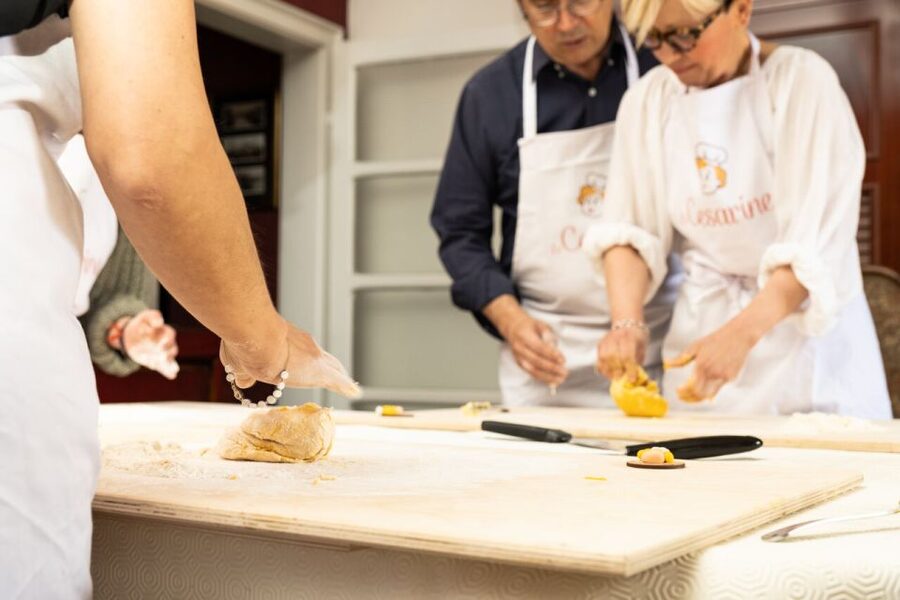
I would recommend this class to couples, families, solo visitors, and small groups of friends who like to participate rather than watch. It is especially useful for anyone who wants a cultural activity that fits neatly into a half day.
Families should note that one host adjusted the lesson for children. That is encouraging, but age rules are not provided, so confirm before booking if you are traveling with young children.
This is also a good choice for people who enjoy social meals. You may share the table with up to 11 other participants, and the host eats with the group in at least some sessions. If you dislike group activities or want a quiet, private dinner, choose another option.
The experience is not suitable for wheelchair users. The host’s private home may also have access limits that are not detailed, so anyone with mobility concerns should ask for more information before paying.
Timing, booking, and practical points
The class runs for three hours, with starting times shown according to availability. A lunch session can work between morning sightseeing and an afternoon walk, while a dinner session may fit after exploring Verona’s center.
The meeting point is the host’s home, and the activity ends there. You do not receive the full address until after booking because the host’s home is private. Plan your day with that in mind, and leave enough time to reach the address once it is provided.
Cancellation is flexible up to 24 hours before the experience for a full refund. You can also reserve now and pay later, which helps if your Verona plans are still shifting.
English and Italian are the listed languages. If you have allergies, dietary restrictions, or questions about the recipes, the provided information does not confirm specific accommodations. Ask before booking instead of assuming the menu can be changed.
My verdict: book it for the hands-on meal
Book this Verona pasta and tiramisu class if you want to learn by doing, meet a local host, and sit down to a meal made with your own hands. The strongest reasons are the hand-rolled sfoglia, the two pasta styles, the welcoming aperitivo, and the personal home setting.
The price is high for a cooking lesson, but it covers a full three-hour experience with food and drinks. I would skip it if you want a fixed menu, a guaranteed named host, a private class, or a low-cost meal.
For most food-focused visitors, the class offers a useful balance of instruction and hospitality. Just confirm the host details, accessibility, and any dietary needs before booking, then arrive ready to handle flour, shape pasta, and eat what you make.
FAQ
Where does the cooking class take place?
The class takes place in a local host’s home in Verona. The full address is provided only after booking for privacy reasons.
How long does the experience last?
The cooking class lasts three hours. Starting times depend on availability.
What will I learn to cook?
You will learn to roll sfoglia by hand, prepare two pasta types, and make tiramisu.
Is food and drink included?
Yes. The experience includes an Italian aperitivo with prosecco and nibbles, the two pasta dishes, tiramisu, wine, water, and coffee.
What languages are available?
Instruction is available in Italian and English.
How many people can join?
The small-group class has a maximum of 12 participants.
Is the experience suitable for wheelchair users?
No. The activity is listed as not suitable for wheelchair users.
Can I cancel for a refund?
Yes. You can cancel up to 24 hours in advance for a full refund. You can also reserve now and pay later.
Recently added in Verona
- Verona: Tortellini Cooking Class and Lunch with Mamma Ivana★ 5.0 · 20 reviews
- Verona: Pasta Cooking Class with Wine Tasting★ 5.0 · 4 reviews
- Verona: Prosecco and Pasta Making Class at a Local’s Home★ 5.0 · 10 reviews
- Verona: My Granny’s secrets making gnocchi★ 5.0 · 7 reviews
- Bardolino: Garda Lake Pasta Cooking Class at the Agritourism★ 5.0 · 32 reviews
- Prosecco and Pasta Making Class at Local’s Home in Verona★ 5.0 · 30 reviews
- Cesarine: Small group Pasta and Tiramisu class in Verona★ 5.0 · 8 reviews
- Cesarine: Pasta & Tiramisu Class at Local’s Home in Verona★ 5.0 · 13 reviews
Tiramisu Classes, compared.
3 in 1 Cooking Class near Navona: Fettuccine, Ravioli & Tiramisu
Read our review →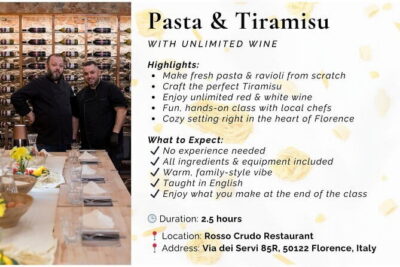
Pasta & Tiramisu Cooking Class with Unlimited Wine
Read our review →
Pasta & Tiramisu Class with Fine Wine by the Vatican
Read our review →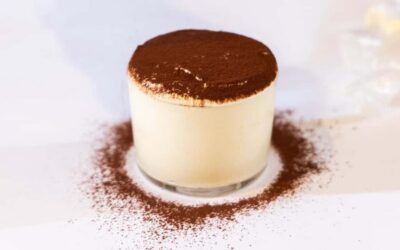
3-in-1 Fettuccine, Ravioli, and Tiramisu Cooking Class
Read our review →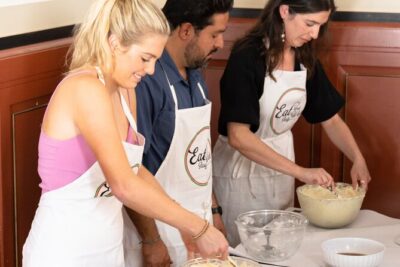
Learn to Make Pasta & Tiramisu with Wine and Limoncello Included
Read our review →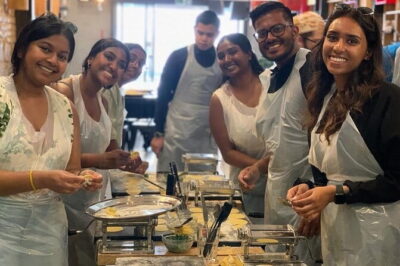
Cooking Class Pasta & Tiramisu Making Unlimited Wine
Read our review →
Become a Masterchef in Rome: Pasta, Ravioli and Tiramisù Class
Read our review →
Fettuccine & Tiramisù: Cooking Class with Wine & Limoncello
Read our review →Browse the lists this class appears in