
REVIEW · HOME COOKING CLASSES
Catania Home Cooking: Pistachio Ravioli, Sicilian Pasta & Wine
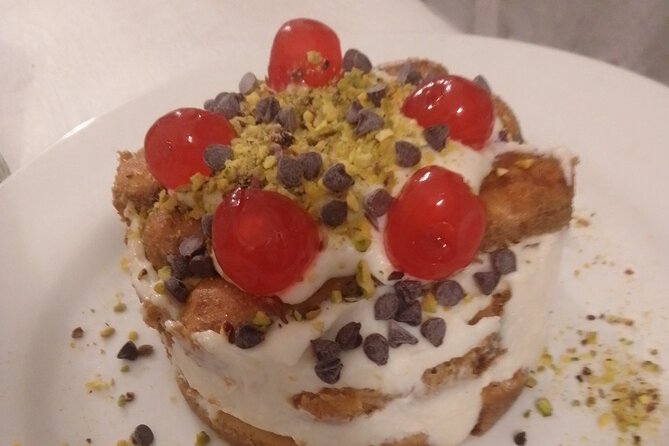
Catania Home Cooking turns a three-hour meal into a practical Sicilian cooking lesson. You make pistachio-filled ravioli, caserecce, and gnocchetti, then pair them with sauces such as Norma, Trapanese pesto, and Aeolian-style dressing. Dessert can be biancomangiare, deconstructed cannoli, or cannolamisù, a ricotta-based take on tiramisu.
I like the small group size, capped at six, and the chance to learn recipes you can repeat at home. I also like the family feel: past hosts have included Anna, Angela, Daniela, Barbara, Silvia, and Antonio, with some evenings ending over homemade limoncello or walnut liqueur. The main consideration is that this is a real home setting, not a polished cooking school, so comfort with pets, household quirks, and variable teaching styles matters.
Key points to know before booking
- Pistachio ravioli is the star lesson: You work with fresh pasta and a filling that reflects one of Sicily’s best-known ingredients.
- Several pasta shapes share one evening: Ravioli, caserecce, and gnocchetti give you different techniques to take home.
- Sauces cover several Sicilian styles: Expect Norma, Trapanese pesto, Aeolian-style dressing, and other traditional pairings.
- The meal is more than a class: Bruschette, pasta, dessert, and local wine make this a full dinner.
- The group stays intimate: A minimum of two people is required, with no more than six participants.
- You can opt out of cooking: If you prefer conversation and dinner, you can ask to sit with the host while she prepares the menu.
A Sicilian dinner that begins with your hands
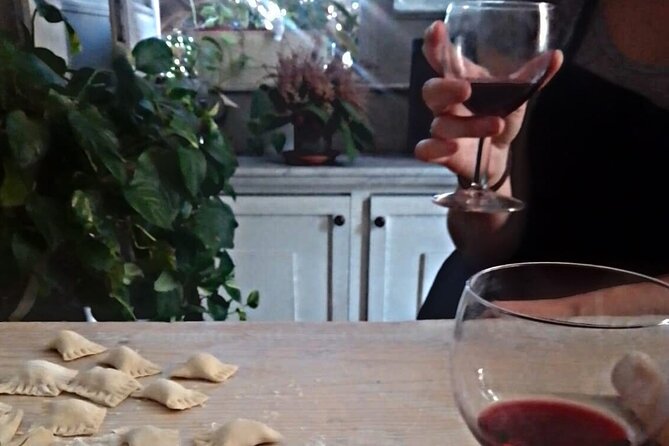
The most appealing part of this experience is its mix of cooking and home hospitality. You are not simply watching someone prepare a plate of pasta. You get a chance to handle dough, shape different kinds of pasta, and sit down to eat what you helped make.
That matters in Catania, where food is tied closely to family habits and local ingredients. Pistachios, ricotta, tomatoes, eggplant, herbs, and seafood-inspired flavors all have a place in Sicilian cooking. A class like this gives you a useful window into that food culture without requiring a full day outside the city.
The experience lasts about three hours. That is long enough for a relaxed meal and several cooking tasks, but short enough to fit around a day of sightseeing. It begins and ends at Via E. A. Pantano, 112, in Catania. You receive a mobile ticket, and the activity is offered in English.
The English experience may vary by host. On one evening, the host’s son helped translate. On another, a language gap was handled with Google Translate and patient teamwork. If you speak little Italian, do not assume every session will have a fluent English-speaking chef beside you. Ask about language support when booking if that is important to you.
More Ravioli and Gnocchi Classes in Sicily:
- Ravioli Making Class in Palermo and Dessert
★ 5.0 · 2 reviews - 3 in 1 Cooking Class near Navona: Fettuccine, Ravioli & Tiramisu
★ 5.0 · 7,376 reviews - Rome: 3-in-1 Fettuccine, Ravioli, and Tiramisu Cooking Class
★ 4.9 · 2,704 reviews
Starting with bruschette, not a lecture
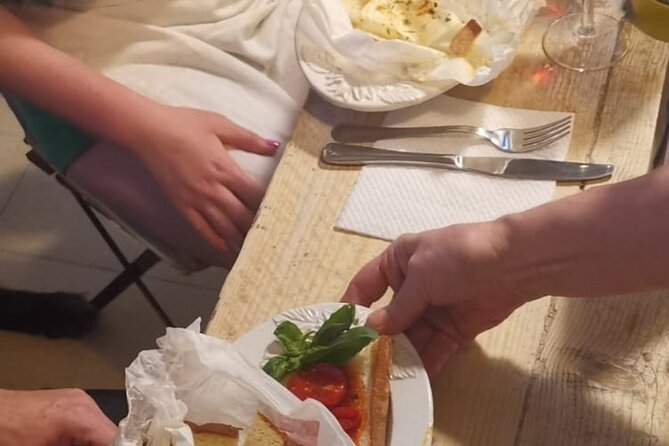
The meal opens with gourmet bruschette. One topping pairs pear with sun-dried tomatoes, while another follows the familiar tomato-based style. This is a smart beginning because it gives you something to eat while the main cooking gets underway.
The bruschette also set the tone for the evening. This is not a strict technical course built around measuring every gram. It is a social cooking session where you taste, talk, and learn how combinations work. Sweet pear against the savory depth of sun-dried tomato offers a small but useful lesson in balance.
You may want to arrive ready for a late, generous meal rather than a quick tasting. The bruschette are only the opening course, followed by handmade pasta, dessert, and wine. If you have dietary needs, tell the provider in advance. Allergies and intolerances need to be reported before the activity so the host can plan safely.
Three pasta shapes, three useful skills
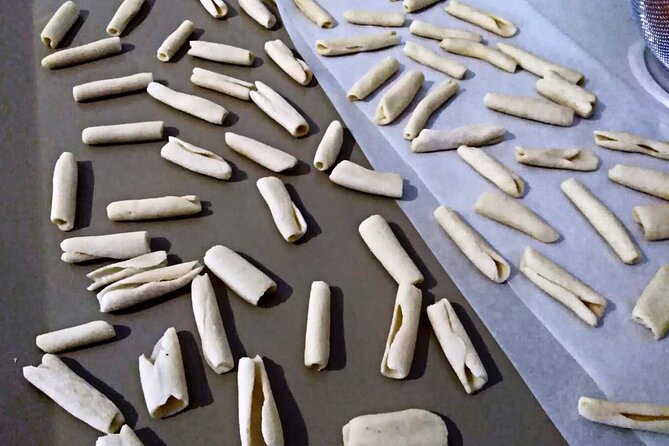
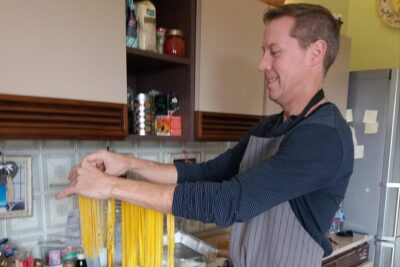
The main lesson focuses on handmade pasta. The menu lists pistachio-filled ravioli, caserecce, and gnocchetti, so you get more variety than you would in a class devoted to one single shape.
Pistachio ravioli is the most distinctive item. Sicily is strongly associated with pistachios, especially those from the island’s eastern side, and using them in a ravioli filling gives the dish a clear local character. You learn the basic logic of filled pasta: prepare the dough, add the filling, seal the pieces, and cook them carefully so they hold together.
Caserecce are short, twisted pieces that catch sauce well. They are less delicate than ravioli and offer a different kind of shaping practice. Gnocchetti bring another texture and technique to the table. Making all three in one session gives you a better sense of how pasta shape affects the finished dish.
If you already make pasta, you may still pick up a useful adjustment. One past participant who had rolled pasta for years learned a new way to work with the dough. That is a good sign for experienced home cooks, though the class is not presented as an advanced professional course.
The exact balance between demonstration and hands-on work can depend on the host. Anna was described as both teacher and cook, while Angela’s session included explanations about Sicilian food traditions. Other evenings were more family-style, with cooking, wine, and conversation sharing equal billing.
Sauces that explain Sicilian cooking
The pasta is paired with sauces and dressings that cover several corners of Sicilian food. Pasta alla Norma is the most familiar combination, built around the island’s much-loved tomato and eggplant flavors. Trapanese pesto brings a different profile, with the fresh, nutty character associated with western Sicily. An Aeolian-style dressing adds another island reference.
This variety helps you understand that Sicilian cooking is not one fixed menu. Recipes change from city to city and island to island. You get a taste of that range without leaving Catania.
The sauces also make the class practical. Fresh pasta is fun to shape, but sauce is what makes it useful at home. Norma is approachable for a weeknight meal. Trapanese pesto offers a fresh alternative to standard basil pesto. The Aeolian-style preparation gives you another way to think about dressing pasta with regional flavors.
The menu can vary. Past sessions have included dishes such as risotto and caponata, and one family meal featured spinach and feta tortellinis rather than the listed pistachio ravioli. Treat the published menu as a guide to the style of the meal, not a guarantee that every dish will appear exactly as described.
More Home Cooking Classes in Sicily:
- Cesarine: Small group Pasta and Tiramisu class in Catania
★ 4.5 · 31 reviews - Cesarine: Small group Pasta and Tiramisu class in Messina
★ 5.0 · 30 reviews - Cesarine: Pasta & Tiramisu Class at Local’s Home in Palermo
★ 5.0 · 25 reviews - Share Your Pasta Love in Local’s Home in Catania
★ 5.0 · 9 reviews
Dessert brings ricotta into the picture
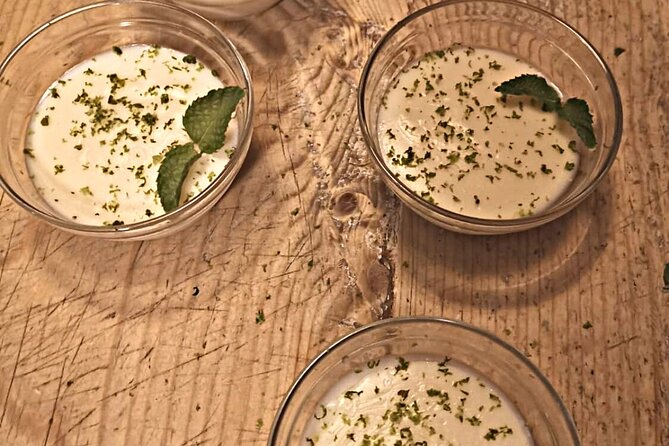
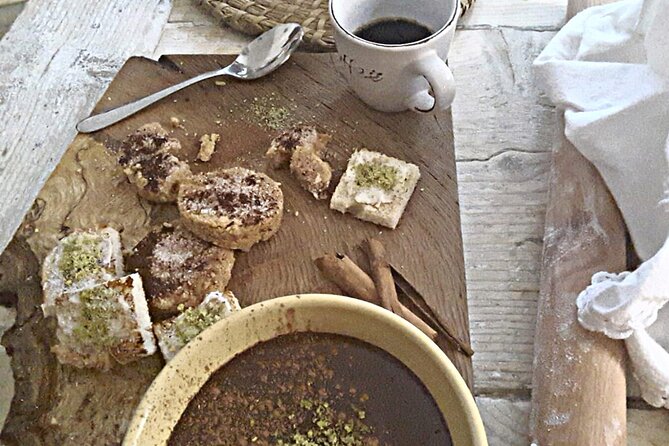
The final course is a Sicilian dessert. Options include biancomangiare, deconstructed cannoli, and cannolamisù. The last is the most playful: a tiramisu-style dessert made with creamy ricotta and the flavors of cannoli.
That dessert choice gives the evening a nice local finish. Ricotta is central to many Sicilian sweets, and cannoli are among the island’s best-known treats. A deconstructed version or cannolamisù lets you enjoy those flavors without requiring the precise shell-making technique of a traditional pastry shop.
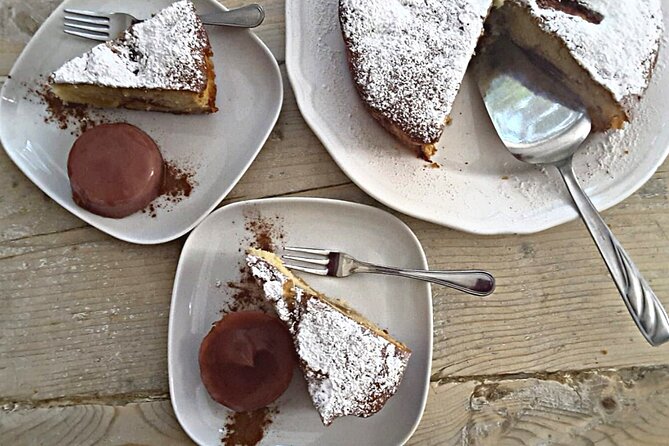
Do not expect a separate pastry master class. The dessert is part of the meal and may be prepared in advance. One sharply negative account described a gelatin-like pudding that was already made, while other sessions included hands-on dessert preparation and a full four-course dinner. If dessert technique is your main reason for booking, ask the host what will be prepared during your date.
Wine, conversation, and the home setting
The finished dishes are served with local wines. That turns the class into a complete evening rather than a cooking lesson that ends as soon as the pasta leaves the pot.
The home setting is a major part of the appeal. You may spend the evening talking with the host and family members, hearing food stories, and getting suggestions for the rest of your time in Italy. One host gave detailed advice for a following day in Naples. Another evening ended with homemade limoncello and walnut liqueur after dinner.
This personal contact is where the experience can feel most special. Hosts such as Anna, Angela, Daniela, Barbara, Silvia, and Antonio have each brought a slightly different personality to the meal. Some sessions are centered on instruction. Others feel more like an invitation into a family dinner where the cooking happens around you.
You can also choose not to cook. The provider allows you to ask for an option in which you enjoy the atmosphere, chat with the host, and let her prepare the menu. That is useful if someone in your group wants the social experience but does not care about pasta-making.
The honest tradeoff of a private home kitchen
A home cooking class has charm, but it does not offer the controlled setting of a commercial culinary studio. Kitchens can be compact. Household pets may be present. The level of organization and cleanliness can differ from one host to another.
One negative account raised serious concerns about a cluttered apartment, dogs moving around the kitchen, smoking, uncovered hair, bare hands, and limited food preparation. The provider disputed the smoking claim and said the visitors had been asked about the dogs and preferred to have them loose. The provider also said the evening had ended warmly. Because the accounts conflict, you should make your comfort level clear before arrival.
If you have allergies, tell the provider well in advance. If you are uncomfortable around dogs or need strict food-handling standards, ask direct questions before paying. The group maximum of six helps keep the setting personal, but it does not change the fact that you are entering someone’s home.
That point should not put you off automatically. Several sessions were warmly received, with hosts praised for generous hospitality, good food, clear effort, and helpful local advice. The right expectation is important: this is a home-based cultural meal with cooking, not a hotel restaurant or certified professional kitchen.
Is $106.04 a fair price?
At $106.04 per person, the price is not low for a three-hour activity. You are paying for more than a bowl of pasta, though. The fee covers instruction, several handmade pasta preparations, a starter, dessert, local wine, and the social setting of a small private gathering.
The value is strongest if you want a full evening activity. A restaurant dinner alone would not teach you how to make ravioli, caserecce, or gnocchetti. A formal cooking school might offer more technical structure, but it may not provide the same family conversation or homemade drinks after the meal.
The value is weaker if you mainly want to eat. You can request the no-cooking option, but the price still reflects the hosted meal and the private-home format. Likewise, someone seeking a precise professional lesson may find the informal teaching style too relaxed.
The group limit helps the price make more sense. With no more than six people, you have a better chance to take part rather than watch from the edge. A minimum of two people also makes this better suited to couples, families, or small friend groups than solo visitors.
Who will enjoy this Catania experience?
I would recommend this activity to you if you like food, conversation, and practical souvenirs. The best souvenir is not something bought in a shop. It is the ability to make a Sicilian sauce or shape fresh pasta after you return home.
It also suits families and mixed-interest groups. The cooking can keep active participants busy, while someone else can choose to chat and watch. The four-course format and wine make it a good evening plan rather than a quick daytime stop.
Experienced cooks should book with realistic expectations. You may learn a new pasta method, as one seasoned home cook did, but the class is not described as a technical course for professionals. The relaxed pace and host personality are part of the product.
I would be more cautious if you have severe allergies, strict hygiene expectations, or a strong dislike of pets. Ask about the host, animals, menu, and food handling before booking. It is better to settle those questions early than to discover that a home kitchen is not your style after arriving.
Free cancellation is available when you cancel at least 24 hours before the local start time. Changes or cancellations made within 24 hours are not accepted for a refund.
Should you book this cooking class?
Book it if you want to spend an evening making Sicilian food with a small group and then eating it with local wine. The pistachio ravioli, several pasta shapes, ricotta dessert, and family-style conversation give the experience more substance than a standard meal.
I would not book it solely for a polished culinary demonstration. Host, language support, menu, and household conditions can vary. Before confirming, mention allergies, ask who will lead the session, and check whether dogs or other household factors will be present.
For the right visitor, this is a warm and useful Catania evening. You leave with dinner in you, recipes in your notes, and a better sense of how Sicilian food fits into everyday home life.
FAQ
Where does the cooking class begin and end?
The experience begins at Via E. A. Pantano, 112, 95129 Catania CT, Italy. It ends back at the same meeting point.
How long does the activity last?
The cooking class and meal last approximately three hours.
How many people can join?
A minimum of two people is required per booking, and the activity accepts a maximum of six participants.
Is the experience offered in English?
Yes. The activity is offered in English, though language support can vary by host. Translation tools may be used when needed.
Can I attend without cooking?
Yes. You can ask for an option where you enjoy the home atmosphere and chat with the host while she prepares the meal.
What happens if I need to cancel?
You can cancel for a full refund up to 24 hours before the experience start time. Cancellations or changes made less than 24 hours before the local start time are not accepted for a refund.
More Pasta Classes with Wine in Sicily
- Palermo: Pasta and Tiramisu Small Group Cooking Class with Wine
★ 5.0 · 348 reviews - Sea Villa Cefalù: Hands-on 4-Course Pasta Cooking Class & Wine
★ 5.0 · 63 reviews - Florence: Pasta Cooking Class with Unlimited Wine
★ 4.9 · 10,285 reviews - Florence: Pasta & Tiramisu Cooking Class with Unlimited Wine
★ 4.9 · 6,708 reviews
Recently added in Sicily
- Ravioli Making Class in Palermo and Dessert★ 5.0 · 2 reviews
- Cesarine: Small group Pasta and Tiramisu class in Messina★ 5.0 · 30 reviews
- Share Your Pasta Love in Local’s Home in Messina★ 5.0 · 3 reviews
- Private Pasta & Tiramisu Class at a Cesarina’s home with tasting in Siracusa★ 5.0 · 2 reviews
- Share Your Pasta Love in Local’s Home in Catania★ 5.0 · 9 reviews
- Cesarine: Pasta & Tiramisu Class at Local’s Home in Palermo★ 5.0 · 25 reviews
- Fresh Pasta Private Cooking Class★ 5.0 · 11 reviews
- Fresh local pasta lesson in the garden★ 5.0 · 24 reviews
Home Cooking Classes, compared.
Pastamama, Home Cooking Classes at Grace’s Home
Read our review →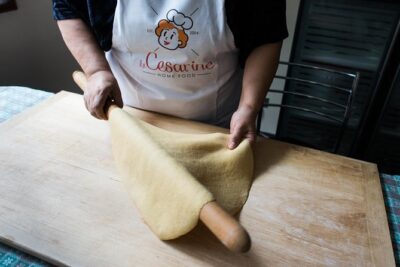
Small Group Pasta and Tiramisu Class at Local’s Home in Venice
Read our review →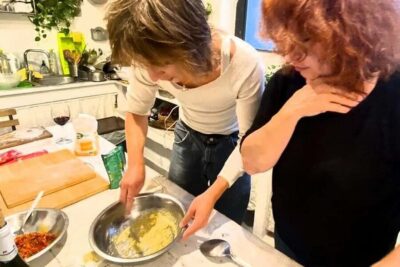
Pistachio Ravioli, Pasta Home Cooking Class w/ Wine
Read our review →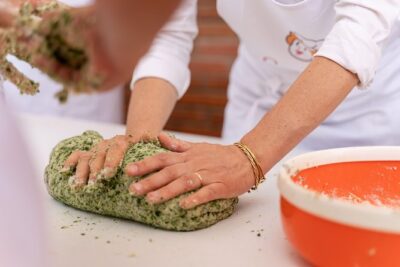
Cesarine: Small group Pasta and Tiramisu class in Varenna
Read our review →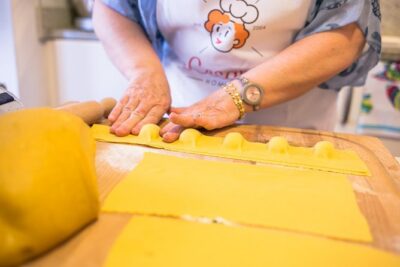
Cesarine: Small group Pasta and Tiramisu with Mamma in Lucca
Read our review →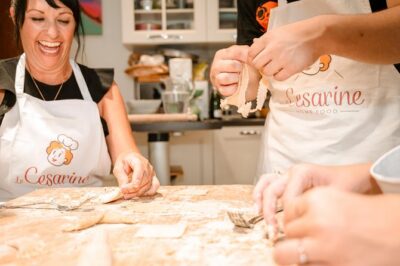
Cesarine: Small group Pasta and Tiramisu class in Bologna
Read our review →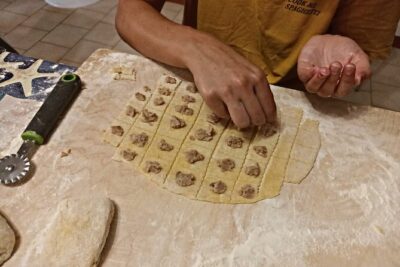
Authentic Bologna Home Cooking Class: Tagliatelle & Tortellini
Read our review →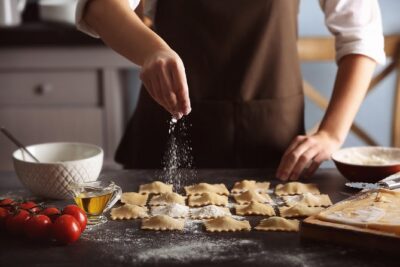
Alghero Home Cooking Pasta Class at a Farmhouse with Wine
Read our review →Browse the lists this class appears in