
REVIEW · ROME PASTA CLASSES
Italian Pasta & Dessert Class in Historic Center (3-Course Meal)
The best part of this Rome cooking class is the handmade strozzapreti carbonara. You twist the pasta yourself, then serve it with guanciale, egg, and Pecorino Romano. It is a direct lesson in one of Rome’s most famous dishes, not just a meal placed in front of you.
I like the relaxed three-course format, with wine served alongside the food, and the dessert choice between tiramisù and seasonal crostata. The main drawback is the price: at $154.86 per person, this is a costly two-hour activity, especially if you are mostly looking for a quick pasta lesson.
I also like the central restaurant setting and the small touch of coffee and Italian liqueur at the end. The group can reach up to 20 people, so ask about the expected group size if close, personal instruction matters to you.
Key points at a glance
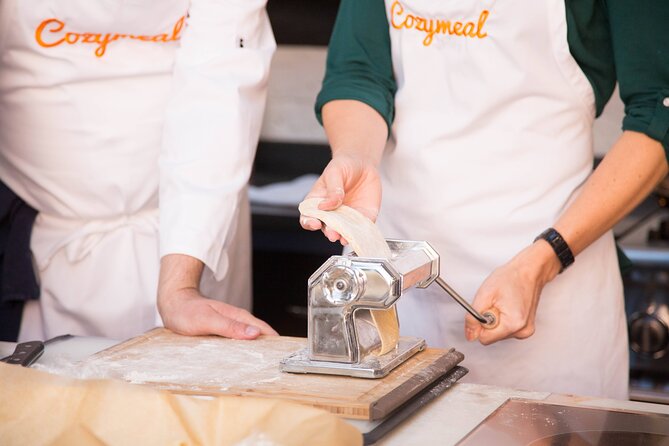
- Hand-twisted Roman pasta: Make strozzapreti by hand before tossing it with guanciale, egg, and Pecorino Romano.
- Aperitivo begins the meal: Start with a spritz or sparkling wine and savory bites such as beef ragù bruschetta, pulled pork crostini, or seasonal vegetable meatballs.
- A proper Italian finish: Choose tiramisù or a rustic crostata with seasonal jam, then finish with espresso and digestivo.
- Restaurant setting in central Rome: The class takes place at Napul’è Ristorante Pizzeria on Viale Giulio Cesare.
- Drinks are part of the experience: Wine, coffee, and Italian liqueur are included in the ticket.
- Good to know before booking: The class lasts about two hours, accepts service animals, and can address many dietary needs if you provide notice.
Starting with Roman aperitivo and a glass of wine
The class opens with aperitivo, the Italian custom of having a drink and a few savory bites before the main meal. You can expect a spritz or sparkling wine, paired with small dishes that may include beef ragù bruschetta, pulled pork crostini, or seasonal vegetable meatballs.
This opening matters because it sets the pace. You are not rushed straight into kneading or shaping dough. Instead, you get time to settle in, meet the chef, and begin with familiar Roman flavors in a social restaurant setting.
The exact starter depends on the menu available that day. If you have a dietary restriction, tell the provider in advance. The class is designed to accommodate a variety of dietary needs, but last-minute requests are less likely to work well than advance notice.
I like the way this first course gives you a taste of the meal before the hands-on pasta work begins. It also makes the experience feel like a full Italian lunch or dinner rather than a short demonstration followed by a token sample.
More Dessert Tastings in Rome:
- Rome: Pasta Making Class with Wine, Limoncello, and Dessert
★ 4.9 · 3,177 reviews - Rome Cooking Class: Make Pizza and Pasta with Wine & Dessert
★ 4.5 · 651 reviews - Rome: Fresh Pasta Making and Tiramisu Dessert Master Class
★ 4.8 · 11 reviews
Making strozzapreti by hand
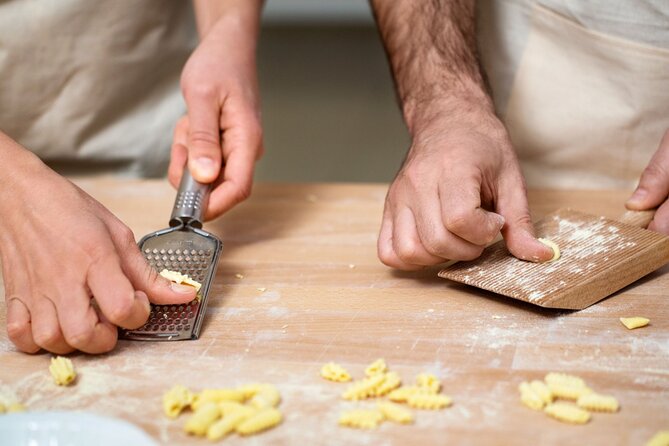
The centerpiece is strozzapreti, a short, twisted pasta with a pleasing shape that holds sauce well. You will work with the dough by hand, twisting pieces into the pasta used for the main course.
The technique is approachable, but it still gives you something practical to take home. You learn that handmade pasta does not have to look perfectly uniform. Small variations in thickness and shape are part of the charm, and the rough surface helps the sauce cling.
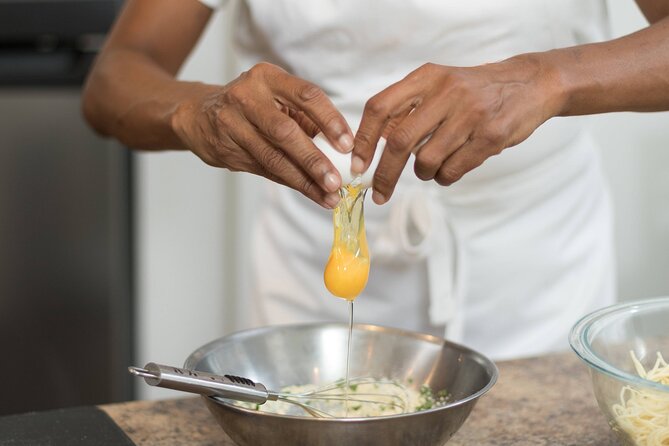
The pasta is served alla carbonara, one of Rome’s signature preparations. The sauce uses egg and Pecorino Romano, with guanciale providing the salty, savory backbone. This is a dish where balance matters. Too much heat can scramble the egg, while too much cheese can make the sauce heavy.
That makes the chef’s guidance important. The information provided does not name the chef, but the class is built around instruction from a local pasta specialist. The strongest praise focuses on the chef’s pasta expertise, so this is the part I would value most when deciding if the price works for you.
You should also know that the menu is fairly specific. This is not a class where you choose among several pasta shapes or sauces. You make strozzapreti and prepare carbonara. That focus is useful if you want to understand one Roman classic, but less ideal if you want a broad survey of Italian pasta.
What makes carbonara worth studying
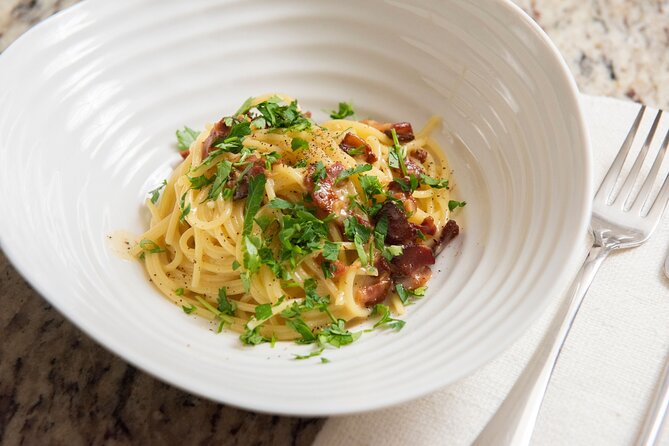
Carbonara looks simple on a menu, yet it depends on a few careful steps. The listed ingredients are guanciale, egg, and Pecorino Romano. There is no long ingredient list to hide behind, so the quality and handling of each part matter.
Guanciale is cured pork cheek, prized for its rich flavor. Pecorino Romano is a sharp sheep’s milk cheese. Together, they make a sauce that is salty and full-bodied, while the egg gives it a smooth texture when handled correctly.
A hands-on class lets you see how these ingredients come together. You are not only eating carbonara in Rome; you are learning the basic logic behind it. Later, you can try making it at home with a better sense of timing and texture.
The class also pairs the pasta with wine. One of the specific details associated with the experience is that wine is served with much of the meal, not kept only for the first toast. If you enjoy food with a drink in hand, that adds value. If you do not drink alcohol, confirm the available alternatives before booking, since the included drinks are listed as wine, coffee, and Italian liqueur.
Choosing between tiramisù and seasonal crostata
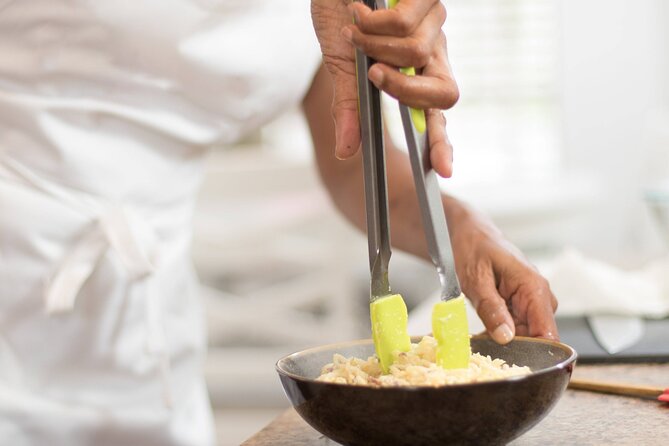
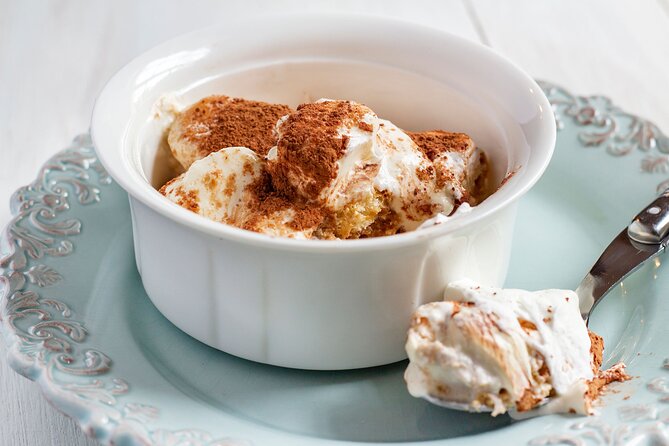
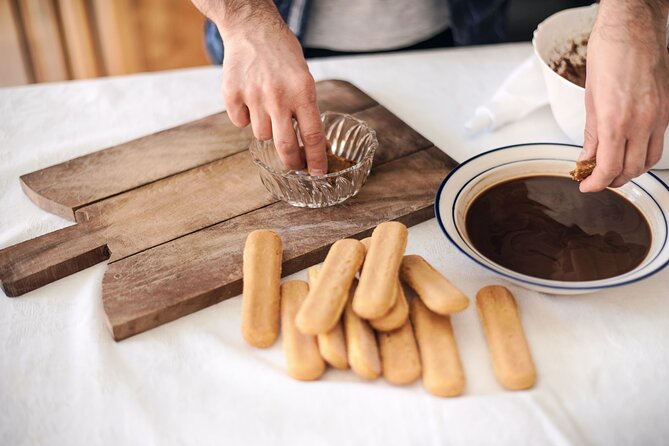
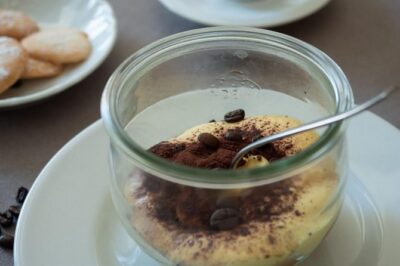
Dessert gives you a choice between tiramisù and rustic crostata with seasonal jam. Tiramisù is the softer, creamier option, with coffee and cocoa flavors. Crostata is more straightforward: a rustic tart with jam and a pastry base.
The choice gives the final course a little flexibility. Tiramisù suits you if you want the classic Italian dessert often linked with Rome and restaurant menus. Crostata may appeal more if you prefer fruit preserves and a simple pastry.
The dessert is followed by espresso and a digestivo, or Italian liqueur. That ending reflects the rhythm of a traditional meal: something sweet, a small coffee, and a final drink rather than an abrupt stop after the last bite.
The dessert has received especially strong praise, with the tiramisù described as divine. That is useful if you are booking for the food as much as the cooking lesson. Still, dessert availability can vary, so treat the two choices as the planned options rather than assuming both will be served.
More History Tours in Rome:
- Make Tagliatelle & Tiramisù at a Historic Villa (3-Course Meal)
★ 5.0 · 2 reviews
A restaurant setting with a group limit of 20
The class takes place at Napul’è Ristorante Pizzeria, Viale Giulio Cesare 89/91, 00192 Rome. The activity begins and ends at this meeting point, and transportation is not included.
A restaurant venue has a practical advantage. You are cooking in a working food setting, then eating the finished meal in the same place. It also means you should arrive ready for a social atmosphere rather than expecting a private kitchen lesson.
The maximum group size is 20 people. That is not a tiny class, so the quality of your experience may depend on the final attendance and how the chef organizes the hands-on work. With a full group, you might share preparation space or wait briefly for guidance.
For a first pasta class, that may be perfectly fine. You are learning one focused dish, not attending a professional cooking course. If you want extensive one-to-one correction, ask about the group size before committing.
The English-language format makes the class easier to follow if you do not speak Italian. The provider confirms the booking at the time of purchase, and the ticket is mobile, so you can keep the reservation on your phone.
Is $154.86 a fair price?
At $154.86 per person, this class is not a budget meal. The cost includes the full three-course menu, the cooking instruction, wine, coffee, and Italian liqueur. It also covers the restaurant setting and the chance to prepare the food rather than simply ordering it.
I would judge the value by what you want from the activity. If you only want to eat carbonara, you can likely find a less expensive meal in Rome. If you want a guided activity that combines food, drinks, and practical instruction, the price becomes easier to defend.
The two-hour length is another factor. You get a compact experience that can fit into a busy Rome schedule, but you should not expect a full-day culinary workshop. The short format keeps the class manageable, though it also limits the number of recipes and techniques covered.
For a special occasion, a food-focused afternoon, or a couple who wants an organized activity, the cost may feel reasonable. For a family watching expenses or a solo visitor seeking the lowest-cost way to eat well, it is harder to justify.
Who will enjoy this class most?
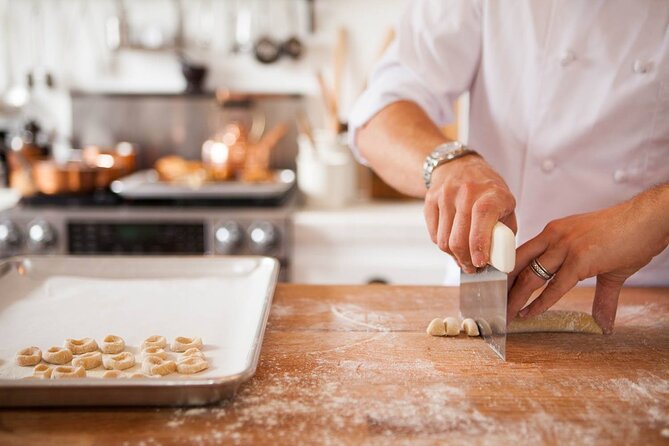
I would recommend it to you if you like learning by doing and want a meal built around Roman comfort food. The class has a clear focus, so you do not need prior cooking experience to understand what you are making.
It also suits people who enjoy a social meal. Aperitivo, wine, coffee, and liqueur give the event a relaxed dining feel, while the shared pasta work creates a natural reason to talk with others.
Couples may find the format especially appealing because the meal feels more memorable than a standard restaurant reservation. Families can also consider it, though the two-hour class and group size may be less comfortable for very young children. No child policy is provided, so check before booking.
This class may not suit you if you want a quiet, private lesson, a long culinary workshop, or a menu with many choices. The experience centers on one pasta dish, one of two desserts, and a fixed three-course structure.
Dietary needs and practical planning
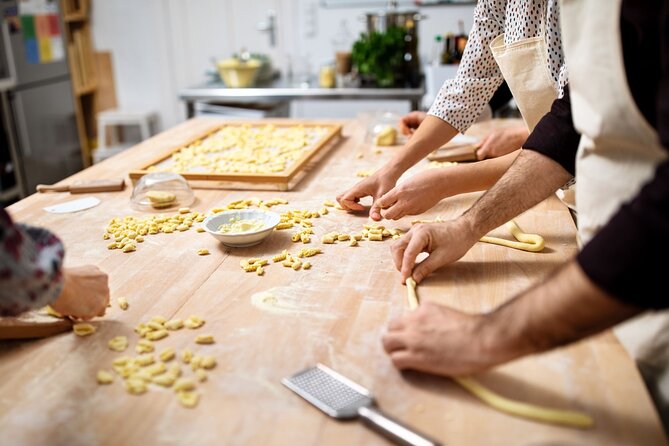
The class can accommodate a variety of dietary needs when you provide information in advance. That is useful, but you should not assume every substitution is possible. Carbonara traditionally contains guanciale, egg, and Pecorino Romano, so vegetarian, vegan, dairy-free, or egg-free requests need early discussion.
Service animals are allowed. No transportation is included, so you are responsible for reaching the restaurant on Viale Giulio Cesare and returning from the same point after the meal.
The ticket is mobile, and confirmation arrives at booking. I would keep the start details handy on your phone and leave enough time to find the restaurant without rushing into the class.
Free cancellation is available if you cancel at least 24 hours before the start time. Cancellations or changes made within 24 hours are not refundable, and the provider may cancel if the minimum number of participants is not met. In that case, you receive a different date or experience, or a full refund.
Should you book this Roman pasta class?
Book it if you want more than dinner and you care most about making pasta, learning carbonara, and enjoying a complete meal with drinks. The strongest reasons to go are the hand-shaped strozzapreti, the chef-led instruction, the well-rounded menu, and the highly praised pasta and tiramisù.
Think twice if $154.86 feels high for two hours or if you want a private, highly detailed cooking lesson. A group of up to 20 can make the class less personal, and the fixed menu leaves little room for experimentation.
For a first food class in Rome, I find the plan easy to understand and pleasantly focused. You get aperitivo, a Roman pasta dish, dessert, and the Italian coffee-and-digestivo finish in one sitting. That makes it a good pick for food lovers who want a practical taste of Roman cooking without giving up half a day.
FAQ
Where does the cooking class take place?
The class takes place at Napul’è Ristorante Pizzeria, Viale Giulio Cesare 89/91, 00192 Rome, Italy.
How long does the experience last?
The cooking class lasts approximately two hours.
What food is included?
The three-course meal includes aperitivo, handmade strozzapreti alla carbonara, and an Italian dessert.
What can I expect with the aperitivo?
The aperitivo includes a spritz or sparkling wine and savory bites such as beef ragù bruschetta, pulled pork crostini, or seasonal vegetable meatballs.
Which desserts are available?
The dessert is either tiramisù or rustic crostata with seasonal jam.
Are drinks included?
Yes. Wine, coffee, and Italian liqueur are included in the experience.
Can dietary needs be accommodated?
The class is designed to accommodate a variety of dietary needs. You should provide your restrictions in advance so the provider can try to tailor the menu.
Recently added in Rome
- Trastevere Food Tour with Pasta-Making Class★ 5.0 · 5 reviews
- Traditional Pasta Cooking Class with Tiramisu Small Group★ 5.0 · 7 reviews
- Rome: Pasta and tiramisu class with wine pairing at Come Na Vorta★ 5.0 · 30 reviews
- Spritz and Pasta! Spritz, Fettuccine & Tiramisù★ 5.0 · 2 reviews
- The Pasta Factory Class★ 4.5 · 21 reviews
- Top Class in Fettuccine, Ravioli, and Tiramisu★ 5.0 · 7 reviews
- Private 4 Roman Pastas Tasting Tour in Rome★ 5.0 · 6 reviews
- Authentic Pasta and Tiramisù cooking class at spanish steps★ 4.5 · 14 reviews
Rome Pasta Classes, compared.
3 in 1 Cooking Class near Navona: Fettuccine, Ravioli & Tiramisu
Read our review →
Pasta & Tiramisu Class with Fine Wine by the Vatican
Read our review →
Pasta Making Class with Wine, Limoncello, and Dessert
Read our review →
Rome Cooking Class: Make Pasta and 3 Spritz Cocktails
Read our review →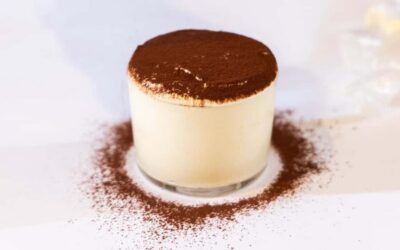
3-in-1 Fettuccine, Ravioli, and Tiramisu Cooking Class
Read our review →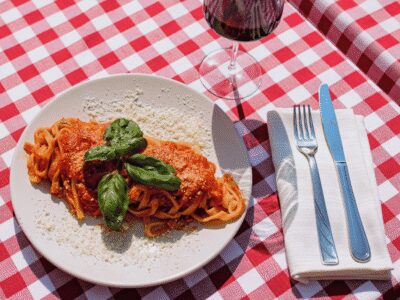
Fettuccine Pasta Cooking Class in Rome’s City Center
Read our review →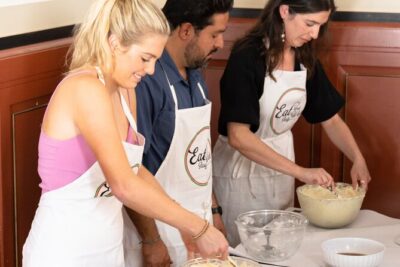
Learn to Make Pasta & Tiramisu with Wine and Limoncello Included
Read our review →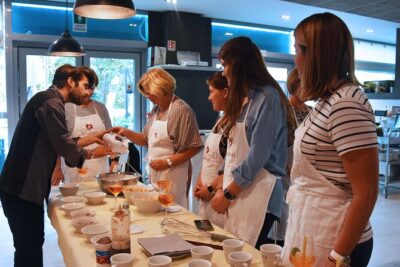
Become a Masterchef in Rome: Pasta, Ravioli and Tiramisù Class
Read our review →Browse the lists this class appears in