
REVIEW · ROME PASTA CLASSES
Pastamania in Rome
Fresh pasta is the star here, not a side lesson tacked onto a sightseeing tour. In a historic palazzo near the Pantheon and Piazza Venezia, you’ll turn flour and eggs into ravioli, tortelli, and fettuccine, then sit down to eat what you made.
I like the hands-on format, which gives you useful skills instead of a quick demonstration. I also like the communal meal, where the class becomes a relaxed Italian-style supper. The main consideration is that the experience is not suitable for people with limited mobility, and group size or staffing may vary.
Key points at a glance
- Three pasta shapes in one class: Make ravioli, tortelli, and fettuccine from scratch.
- A central Rome setting: Start at Palazzo Grazioli, a short walk from the Pantheon and Piazza Venezia.
- A meal included: Eat your handmade pasta with tomato, butter, sage, and truffle-oil flavors, followed by chocolate salami.
- Friendly teaching style: Instructors including Christian, Giorgio, Fabrizio, Luca, Ricardo, Sofia, and Martina lead sessions.
- Small-group promise: The stated maximum is 10 people, though group sizes described in past sessions have varied.
- Good value for a long meal: The roughly three-hour class costs $49.58 per person and includes food, drinks, and instruction.
Starting near the Pantheon at Palazzo Grazioli
The class begins at Palazzo Grazioli, Via della Gatta 14, in central Rome. You are only a few minutes from the Pantheon and Piazza Venezia, so this works well as part of a day spent walking through the historic center.
The setting matters. You are not being sent out to a distant cooking school on the edge of town. You can pair this class with Roman sights before or after, then return to the same meeting point when the session ends. The activity begins and finishes at Palazzo Grazioli.
The experience is offered in English, with a mobile ticket. Confirmation arrives when you book. Since this is a popular activity, it is booked about 25 days ahead on average, so I would not leave it until the last day of a short Rome visit.
Give yourself enough time to find the entrance. Central Rome has narrow streets, busy pedestrian areas, and addresses that can be easy to miss. The meeting point is near public transportation, but the supplied details do not name a particular bus, tram, or metro stop. Use the exact street address when planning your route.
Other Rome classes worth putting on the shortlist
- 3 in 1 Cooking Class near Navona: Fettuccine, Ravioli & Tiramisu
★ 5.0 · 7,376 reviews - Rome: Pasta & Tiramisu Class with Fine Wine by the Vatican
★ 4.9 · 4,852 reviews - Rome: Pasta Making Class with Wine, Limoncello, and Dessert
★ 4.9 · 3,177 reviews
The opening lesson: flour, eggs, and Italian technique
The instructor starts with an introduction to fresh pasta. This gives you the basic idea before your hands get messy, and it helps first-time cooks understand why dough texture matters.
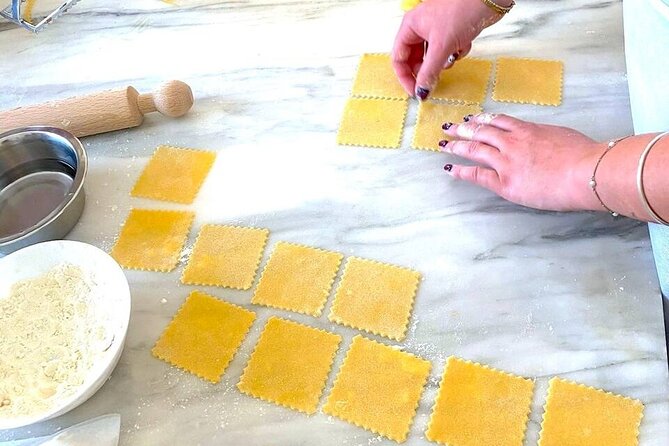
You then move into the practical part. You knead the dough, roll it, and shape it. The class focuses on three forms: ravioli, tortelli, and fettuccine. That variety is one of the best reasons to book this class. You are not repeating one simple cut for three hours. You get to work with both long pasta and filled pasta.
The teaching style seems intentionally relaxed. Christian is described as energetic and playful, while Fabrizio is praised for patience and clear advice. Giorgio combines demonstrations with humor, and Luca is especially good at making families feel welcome. Other sessions are led by Ricardo, Sofia, Martina, or Arianna.
Your instructor may differ from the names above, so do not book around a particular teacher unless the provider confirms who will lead your session. The common thread is a social, informal class rather than a formal culinary exam.
Making ravioli and tortelli with the group
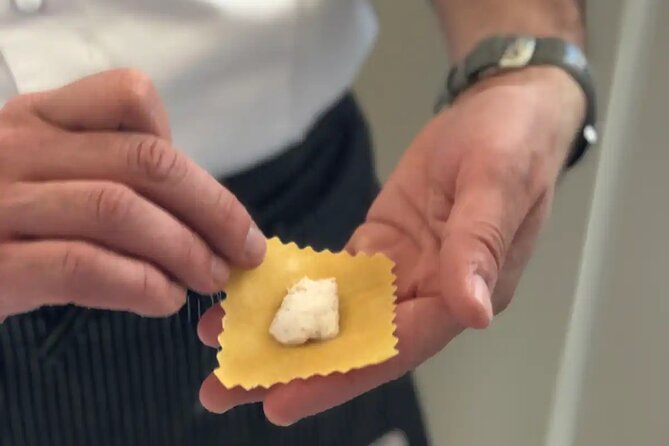
Filled pasta is the part that turns a basic cooking lesson into a useful skill session. You prepare fillings, place them on the pasta, and shape the pieces so they seal properly.
The listed fillings include parmigiano and ricotta, with one version using truffle oil and another adding nutmeg. The sauces are simple but classic: butter and sage. This is a good lesson in how Italian cooking often depends on a few well-chosen ingredients rather than a long list of extras.
Ravioli and tortelli can look similar to a beginner, but shaping them gives you a feel for pasta thickness, filling size, and sealing. These are practical details you can repeat at home. Several instructors also explain how to store homemade pasta, which adds value beyond the meal you eat in Rome.
The class is hands-on, but you should expect to share the workspace and follow the instructor’s pace. If you want a private cooking lesson with constant one-to-one attention, this is not that. It is a social class where the fun comes partly from working alongside other people.
Rolling fettuccine and preparing the sauces
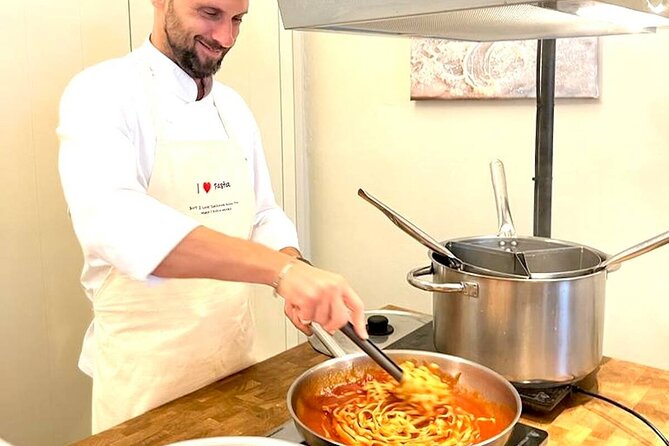
Fettuccine provides a nice contrast to the filled pasta. You roll and cut the dough into long ribbons, then pair it with tomato sauce. The filled pasta receives butter and sage, with truffle oil included in one preparation.
The menu is substantial. You are not making a tiny sample for decoration. Past participants describe generous portions, and one useful tip is to arrive hungry. With three pasta preparations, wine or soft drinks, dessert, and possible limoncello, this is best treated as a full meal.
The sauces also help you understand how to use the pasta you make. Tomato sauce shows off the fettuccine, while butter and sage keep the focus on the filled pasta. The approach is straightforward enough for a beginner to repeat at home.
Do not expect a restaurant menu with several choices. The value comes from learning and eating a set meal. If you have strong dietary restrictions, ask before booking because the listed menu centers on ricotta, parmigiano, butter, tomato, truffle oil, and chocolate.
Same town, a different thing to roll out:
- Rome Cooking Class: Make Pasta and 3 Spritz Cocktails
★ 5.0 · 2,937 reviews - Rome: 3-in-1 Fettuccine, Ravioli, and Tiramisu Cooking Class
★ 4.9 · 2,704 reviews - Rome: Fettuccine Pasta Cooking Class in Rome’s City Center
★ 4.8 · 2,414 reviews - Learn to Make Pasta & Tiramisu with Wine and Limoncello Included
★ 5.0 · 2,345 reviews
Sitting down for the meal you made
The class ends around a large communal table. This is where the experience shifts from instruction to shared supper.
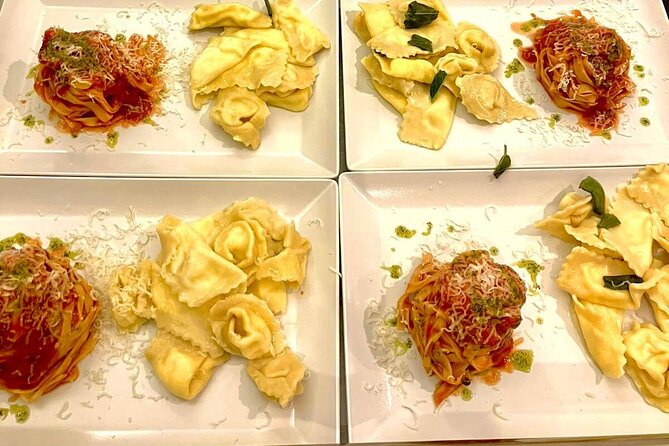
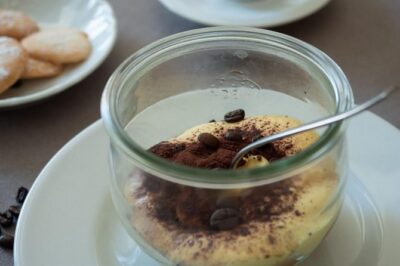
You eat the ravioli, tortelli, and fettuccine you prepared, with sauces matched to each pasta. Dessert is chocolate salami, a no-bake Italian sweet made with chocolate and biscuit pieces. Wine is available, and some sessions also include biscuits and limoncello.
The communal table is a real strength if you enjoy meeting people while traveling. The atmosphere is built around conversation, laughter, and shared food rather than a quick plate eaten at your work station. It also makes the class work well for solo visitors, couples, and families.
The trade-off is that a communal setting may feel less intimate than a private class. You will be part of the group dynamic, and the pace can depend on how many people attend. The advertised maximum is 10 travelers, which should allow personal attention, although some past sessions describe groups of 12 or even more. If group size is important to you, confirm it directly before booking.
Why the $49.58 price can be good value
At $49.58 per person, this is priced like a modest guided activity, but it includes much more than a short demonstration. You get about three hours of instruction, three types of pasta, sauces, a full meal, dessert, and drinks.
The value is strongest if you would otherwise pay for both a meal and an activity that evening. The finished food replaces dinner, while the pasta lesson gives you something useful to take home. Several instructors also share tips on storing and making pasta, so the experience can continue in your own kitchen.
The price is less compelling if you mainly want to watch a chef cook. You are paying for participation, not simply for a tasting. It is also not the right pick if you want a high-end wine pairing, a private chef, or a broad survey of Roman cuisine. The focus is narrow and clear: fresh pasta.
I would compare this with the cost of a central Rome dinner, then ask how much you value the lesson. For most visitors, the combination of food, location, and three hours of activity makes the price reasonable.
Who will enjoy this class most
This works for first-time pasta makers because you do not need advanced skills. The instruction begins with the basics, and the class is designed to be fun as well as useful.
Families are a good fit. A nine-year-old has taken part successfully, and instructors such as Fabrizio and Luca have been praised for helping children join in. The class also suits teenagers, couples, solo visitors, groups of friends, students, and corporate teams.
Older adults can enjoy it too, provided they are comfortable with the physical demands. You will knead dough, roll pasta, stand or work at a table, and handle the shaping process. The provider specifically advises against the experience for people with disabilities, and it is not accessible for people with limited mobility, including those using crutches.
This is also a smart choice for a solo visitor who wants an easy social evening. The meal is shared, and the class naturally gives you something to talk about with the people around you.
Timing, group size, and practical planning
Plan on about three hours. That is long enough to make the activity feel worthwhile, but short enough to fit into a Rome sightseeing day.
Do not schedule a major timed attraction immediately afterward. The official duration is approximate, and the meal portion depends on the pace of the group. If you have a Colosseum entry, train departure, or airport transfer later that day, leave plenty of room.
The experience requires a minimum number of participants. If that number is not reached, the provider may contact you to reschedule or offer a full refund. Times can change, so check your messages before setting out.
Free cancellation is available up to 24 hours before the start time for a full refund. Cancellations or changes inside 24 hours are not refunded. The cut-off follows Rome’s local time.
The tour is not described as wheelchair accessible, and it is specifically discouraged for people with disabilities. Service animals are allowed. It is close to public transportation, though you should still allow extra walking time in the historic center.
Tips for getting the most from the pasta lesson
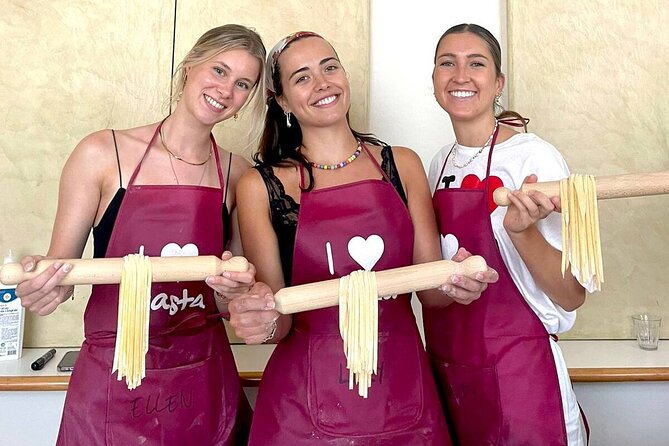
Arrive hungry. The menu includes three pasta dishes, dessert, and drinks, and the portions can be generous.
Wear clothes you can work in. You will be handling dough and sauces, and the class is practical rather than ceremonial.
Ask questions during the dough-making stage. That is where small changes in texture can affect the final pasta, and instructors often share advice that is difficult to learn from a recipe alone.
Pay attention to storage instructions. Fresh pasta is easy to make in theory, but knowing how to keep it from sticking or drying out is what helps you repeat the result at home.
If a chitarra pasta tool is offered for purchase, consider buying one if you want to continue making pasta. One participant specifically regretted not taking one home. The available details do not give a price or confirm that it is offered at every session, so ask your instructor.
Should you book Pastamania in Rome?
Book it if you want an active evening, a proper meal, and a simple introduction to Italian pasta. The strongest parts are the three different pasta shapes, the friendly teaching style, and the chance to eat your own work at a communal table.
I would especially recommend it for families, couples, solo visitors, and anyone who wants a break from museum-hopping. Christian, Giorgio, Fabrizio, Luca, Ricardo, Sofia, Martina, and Arianna are all named as instructors in different sessions, with patience, humor, and family-friendly teaching appearing often in the feedback.
Skip it if you need step-free access, require a private lesson, or want a menu with many dietary choices. For everyone else, the central location and $49.58 price make this one of the more practical ways to connect a Rome visit with Italian cooking.
FAQ
Where does the pasta class begin?
It begins at Palazzo Grazioli, Via della Gatta 14, 00186 Rome, near the Pantheon and Piazza Venezia. The activity ends at the same meeting point.
How long does Pastamania in Rome last?
The class lasts approximately three hours.
What types of pasta will I make?
You will make ravioli, tortelli, and fettuccine from scratch.
What food is included?
The listed menu includes ravioli with parmigiano and ricotta, truffle oil, and butter and sage; tortelli with parmigiano, ricotta, nutmeg, and butter and sage; fettuccine with tomato sauce; and chocolate salami for dessert.
Is the class offered in English?
Yes. The experience is offered in English.
What is the cancellation policy?
You can cancel up to 24 hours before the start time for a full refund. Cancellations or changes made less than 24 hours before the experience are not refunded.
Recently added in Rome
- Trastevere Food Tour with Pasta-Making Class★ 5.0 · 5 reviews
- Traditional Pasta Cooking Class with Tiramisu Small Group★ 5.0 · 7 reviews
- Rome: Pasta and tiramisu class with wine pairing at Come Na Vorta★ 5.0 · 30 reviews
- Spritz and Pasta! Spritz, Fettuccine & Tiramisù★ 5.0 · 2 reviews
- The Pasta Factory Class★ 4.5 · 21 reviews
- Top Class in Fettuccine, Ravioli, and Tiramisu★ 5.0 · 7 reviews
- Private 4 Roman Pastas Tasting Tour in Rome★ 5.0 · 6 reviews
- The Original Fettuccine Alfredo Experiences in Roma★ 4.5 · 38 reviews
Rome Pasta Classes, compared.
3 in 1 Cooking Class near Navona: Fettuccine, Ravioli & Tiramisu
Read our review →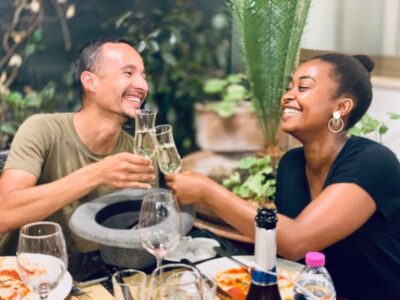
Pasta & Tiramisu Class with Fine Wine by the Vatican
Read our review →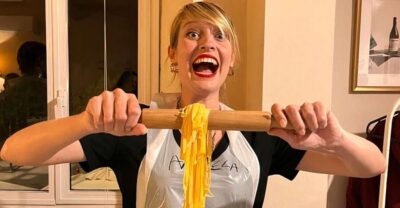
Pasta Making Class with Wine, Limoncello, and Dessert
Read our review →
Rome Cooking Class: Make Pasta and 3 Spritz Cocktails
Read our review →
3-in-1 Fettuccine, Ravioli, and Tiramisu Cooking Class
Read our review →
Fettuccine Pasta Cooking Class in Rome’s City Center
Read our review →
Learn to Make Pasta & Tiramisu with Wine and Limoncello Included
Read our review →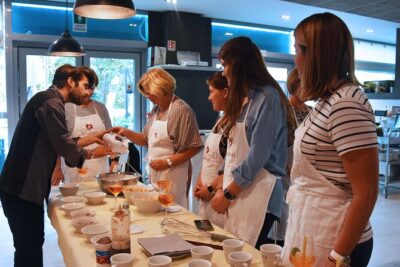
Become a Masterchef in Rome: Pasta, Ravioli and Tiramisù Class
Read our review →Browse the lists this class appears in