
REVIEW · TIRAMISU CLASSES
Rome Fresh Pasta & Tiramisu Cooking Class near Piazza Venezia
Fresh pasta is one of Rome’s best edible lessons, and this two-hour cooking class near Piazza Venezia lets you make the meal instead of simply ordering it. You prepare fettuccine, shape ravioli, and finish with tiramisu made from espresso, ladyfingers, and mascarpone.
I like the hands-on format, especially the chance to learn techniques you can repeat at home. I also like the choice of three sauces for the fettuccine and the friendly teaching style associated with chefs such as Giuseppe and Hassan. The main consideration is that the sauces are prepared in advance, so you are learning pasta more than a full sauce-making class.
Key points at a glance
- Two kinds of pasta from one dough lesson: You make both fettuccine and ravioli, learning kneading, rolling, shaping, and filling.
- Tiramisu is part of the meal: You prepare the classic espresso, mascarpone, and ladyfinger dessert rather than merely receiving it.
- Three fettuccine sauces: You choose the sauce for your noodles, while the ravioli comes with butter and sage.
- English instruction: A professional English-speaking chef leads the class and explains each stage in clear, practical terms.
- Small-group potential: The advertised maximum is 16 people, but some sessions may be far smaller, allowing more direct help.
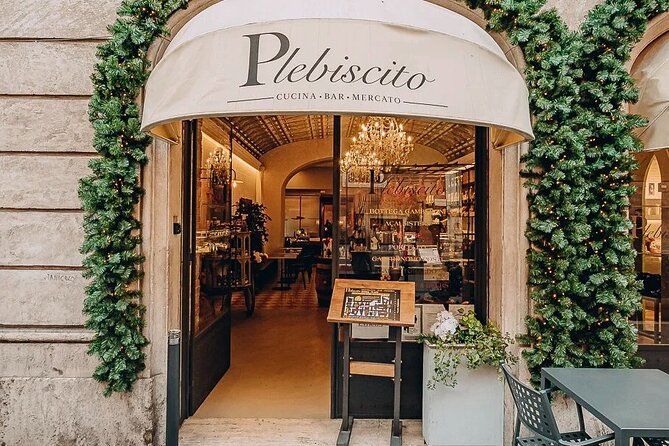
- A central Rome setting: The meeting point is Via del Plebiscito, 104, close to Piazza Venezia and public transportation.
Fresh pasta near Piazza Venezia, not just another Roman meal
This class gives you a useful change of pace from sightseeing. After hours of ancient ruins, churches, and crowded streets, you spend two hours at a table working with flour, eggs, fillings, mascarpone, and coffee. Then you eat what you made.
The central location matters. Via del Plebiscito is close to Piazza Venezia, so you can fit the class into a day of sightseeing without arranging a separate trip across Rome. The activity begins and ends at the same meeting point, which keeps the logistics simple.
I especially like that the lesson covers two pasta shapes. Fettuccine teaches you how dough behaves when cut into long ribbons. Ravioli adds another skill: shaping, filling, sealing, and keeping the pasta intact during cooking. You get more from the class than a single demonstration.
The class is offered in English, and the advertised group limit is 16 people. That is not a tiny private lesson, but actual sessions may be much smaller. Some bookings have had only two participants, while others have been individual sessions. If personal attention matters to you, a quieter time slot may be worth considering, though group size can vary.
More Fresh Pasta Workshops in Rome
- Rome: Pasta Making Class with Wine, Limoncello, and Dessert
★ 4.9 · 3,177 reviews - Enjoy Spritz and Pasta Making in Piazza Navona
★ 5.0 · 1,681 reviews - Pasta Making & Wine Tasting with Dinner in Frascati from Rome
★ 5.0 · 1,326 reviews
Starting with dough, kneading, and pasta basics
The first serious task is fresh pasta dough. You work through the basic process with the chef, beginning with the ingredients and moving into kneading. This is the point where a good teacher earns the fee, since dough can feel simple on paper but tricky in your hands.
A recipe can tell you quantities. It cannot easily show you how the dough should feel, when it needs more work, or how to correct a mixture that is too dry or too soft. An in-person instructor can watch what you are doing and offer immediate advice.
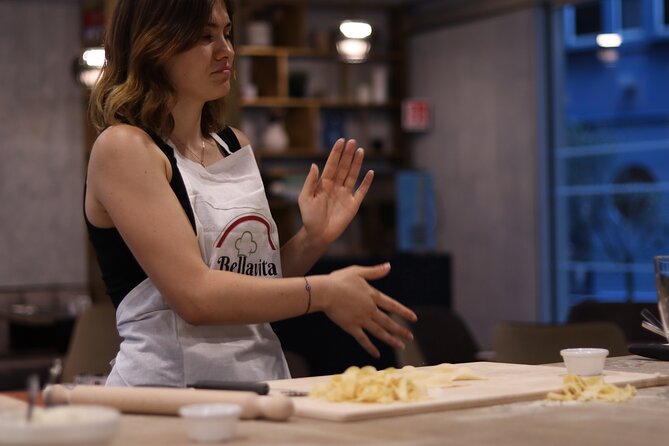
You then use the dough for two classic preparations. The class is designed for participation, so expect to handle the pasta rather than watch a chef do all the work. You will knead, roll, cut, and shape it under guidance.
This is useful for beginners, including people who have tried pasta at home and ended up with tough or inedible results. The practical value comes from seeing the small techniques that online instructions often leave unclear. You can ask a question at the moment the problem appears.
The class also suits confident home cooks. You are not limited to a basic bowl of noodles. Ravioli requires more care, and making both dishes in one session gives you a better sense of how fresh pasta can be adapted.
Fettuccine with a choice of three sauces
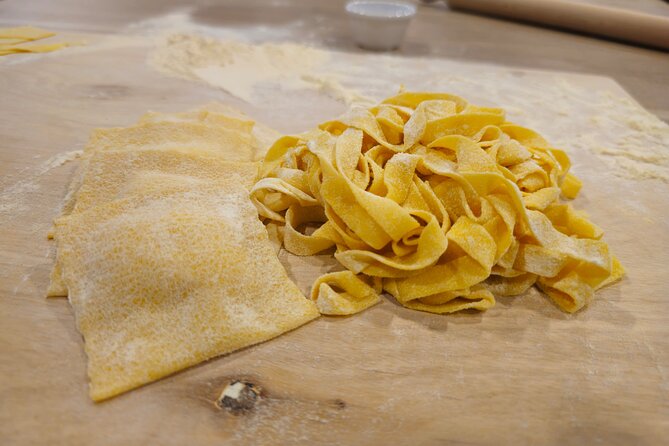
Once the dough is ready, you make fettuccine and pair it with one of three sauces. The exact sauce choices are not specified in the available details, so you should think of this as a choice offered in class rather than plan your meal around a particular sauce.
That choice is a nice touch. It gives you some control over the final dish and lets you select the option that best suits your taste. It also adds a little variety if several people in your party take the class together.
One important detail: the sauces are prepared by the chef ahead of time. You are making the pasta, not learning the complete sauce recipes from start to finish. For many people, that is a sensible use of a two-hour class. Fresh pasta technique takes time, and trying to make several sauces as well could turn the lesson into a rushed production.
Still, if your main goal is to learn Roman sauces, ask about the choices before booking. This experience is strongest as a pasta-making lesson with a prepared sauce component, not as an all-day Italian cooking course.
Ravioli with butter and sage
Ravioli gives the class its most hands-on shaping exercise. You fill the pasta, close it carefully, and work to keep the edges sealed. That may sound easy until you are trying to prevent filling from escaping into the cooking water.
The ravioli is served with butter and sage. It is a traditional, restrained pairing that lets the pasta itself do most of the work. You get to taste the difference between a filled pasta and the long strands of fettuccine made earlier.
This part is especially helpful for families and mixed-ability groups. Younger cooks can take part in cutting and shaping, while the chef handles any steps that need extra care. The class has been described as suitable for all ages, though children should be able to follow instructions and work at a shared table.
Do not expect restaurant-level speed from your first ravioli attempt. The point is to learn the method, enjoy the process, and eat the results. Imperfect shapes are part of the fun, and they still taste good.
More Tiramisu Classes in Rome
- 3 in 1 Cooking Class near Navona: Fettuccine, Ravioli & Tiramisu
★ 5.0 · 7,376 reviews - Rome: Pasta & Tiramisu Class with Fine Wine by the Vatican
★ 4.9 · 4,852 reviews - Rome: 3-in-1 Fettuccine, Ravioli, and Tiramisu Cooking Class
★ 4.9 · 2,704 reviews - Learn to Make Pasta & Tiramisu with Wine and Limoncello Included
★ 5.0 · 2,345 reviews
Tiramisu with espresso and mascarpone
The dessert lesson follows the pasta work. You prepare tiramisu by layering mascarpone and espresso-soaked ladyfingers. This is a familiar Italian dessert, but making it yourself gives you a better feel for the balance of coffee, cream, and texture.
Tiramisu is also a smart choice for a short class. It does not require the same cooking time as a baked dessert, and its main lessons are about assembly and proportions. You finish the meal with something you helped put together, not a generic sweet brought in from elsewhere.
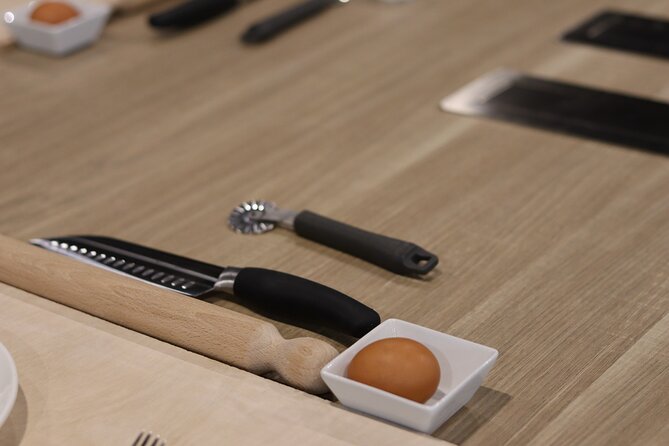
The class includes tiramisu, bottled water, all ingredients, equipment, and use of an apron. Additional drinks are not included in the stated package. One past experience included wine and limoncello, but those are not listed as standard inclusions, so I would not book assuming they are guaranteed.
Sitting down to eat what you made
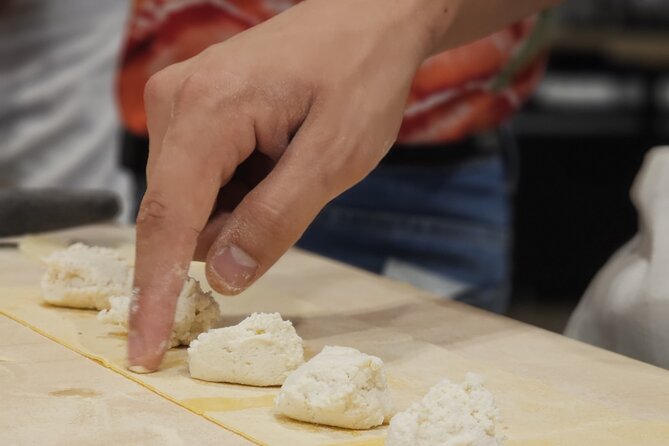
At the end, you sit with the other participants and eat the fettuccine, ravioli, and tiramisu. This shared meal is an important part of the experience. Cooking classes can feel like work if there is no time to enjoy the result, but here the meal is built into the format.
The food is filling enough to serve as a main meal for many people, with pasta followed by dessert. Bottled water is included. Any extra meals or drinks are your responsibility.
The social side can be a real bonus. A larger group gives the class a friendly, communal feel, while a session with only a few people offers more time with the chef. The mood also depends on the instructor, and Giuseppe receives especially strong praise for being patient, entertaining, and clear. Hassan is another chef specifically singled out for making the lesson enjoyable and delicious.
The class is not meant to be a formal restaurant tasting. You are eating food made by a group of learners, so the shapes may not all look identical. That is part of the appeal. You leave having shared a meal that carries your own fingerprints.
What the chefs add to the experience
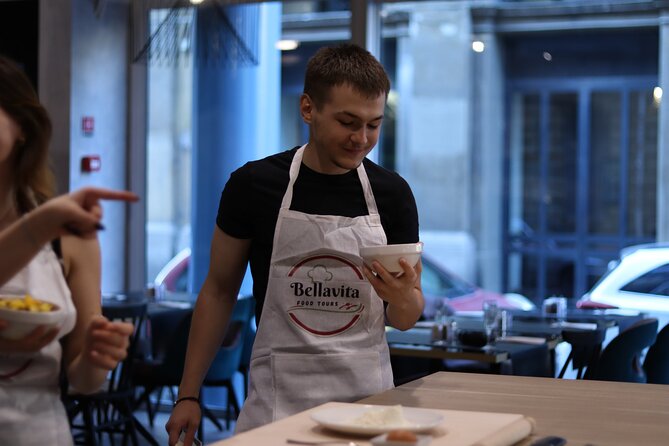
The teaching style is one of the strongest reasons to choose this activity. Giuseppe is praised for explaining each step, offering patient help, and giving participants more confidence in the kitchen. That matters more than a polished show if you want to repeat the recipes at home.
The chefs are described as professional, friendly, and entertaining. You should expect guidance rather than a lecture. The goal is to keep you moving through the work while making sure you understand what you are doing.
I would pay attention to demonstrations of dough texture, pasta thickness, and ravioli sealing. Those are the details most likely to help you later. Take notes if the chef allows it, and make sure you collect the recipes before leaving. Recipes are included so you can try the dishes again at home.
The class can also be a good confidence-builder. If your previous homemade pasta turned out hard, sticky, or uneven, hands-on correction may help more than another online video. You are able to see and feel the process in real time.
Is $71.38 a fair price?
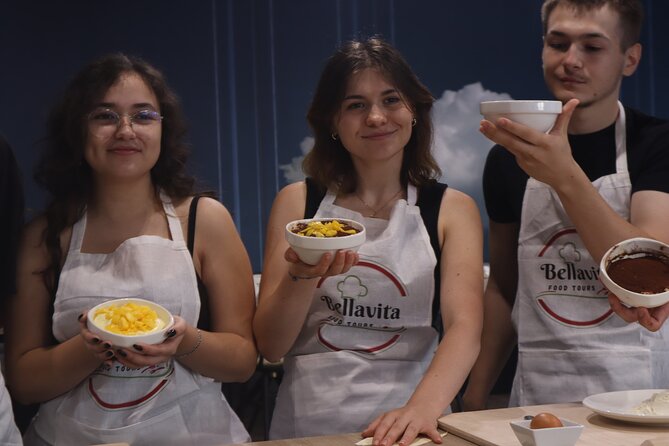
At $71.38 per person, this is not the cheapest meal you will find in Rome. But comparing it with the price of a restaurant dinner alone misses the point. The fee covers roughly two hours of instruction, the chef, ingredients, equipment, an apron, bottled water, two pasta dishes, and tiramisu.
You are also paying for access to techniques that can serve you long after the meal. If you make fresh pasta again at home, the class has ongoing value. The inclusion of both fettuccine and ravioli makes the price easier to justify than a short lesson focused on one simple dish.
The value is weaker if you want a long, advanced cooking course or detailed instruction on sauces. The sauces are already prepared, and the class lasts only about two hours. Think of it as a lively introduction with a full meal, not professional culinary training.
For a couple, family, or small group looking for an activity near the center of Rome, the combination is strong. You get dinner, dessert, and a skill-based experience in one booking. I would consider it particularly worthwhile for someone who wants a break from monuments and a practical memory to take home.
Timing, meeting point, and group size
The meeting point is Via del Plebiscito, 104, 00186 Rome. The activity ends back there, and the location is near public transportation. Since the class is close to Piazza Venezia, allow enough time to find the exact entrance and arrive ready to start.
The duration is approximately two hours. That is long enough for the main cooking steps and a shared meal, but not so long that it takes over your entire sightseeing day. A 3 pm session can work well if you want a late lunch or early dinner, while another time may fit better around your plans.
The maximum group size is 16 people. That is the largest possible group, not a promise that every class will be full. Smaller sessions can feel almost private, with more direct support from the chef. Larger sessions may be more social but could mean waiting briefly while everyone completes a step.
The class is offered in English. Mobile tickets are accepted, and confirmation is provided when you book. Free cancellation is available if you cancel at least 24 hours before the start time. Cancellations or changes made later are not accepted for a refund.
Who should book this Rome cooking class?
I would recommend it to first-time pasta makers, couples, families, and solo visitors who enjoy meeting people through food. It also suits anyone who wants an activity with a clear result: you learn something, then eat it.
It is a good pick for a rainy afternoon or for a day when you want less walking. The class is central, social, and practical. You do not need to be an experienced cook, and the chef guides you through the work.
You may want another experience if you are seeking a market visit, a long lesson on regional ingredients, or detailed sauce preparation. You should also check the inclusions if wine or other drinks are important to you, since additional drinks are not part of the stated package.
My booking advice
I would book this class if you want to make fresh pasta in Rome and prefer doing the work yourself. The strongest features are the two pasta types, the included tiramisu, the central location, and the patient teaching style associated with Giuseppe and the other chefs.
The main limits are clear: it is only about two hours, sauces are prepared in advance, and a group may include as many as 16 people. Those tradeoffs are reasonable for a central, meal-included activity at $71.38.
Choose a time that fits your sightseeing plans, arrive at Via del Plebiscito with room to spare, and ask about the sauce options and any extra drinks before you begin. If you want a tasty Roman evening with a skill you can practice at home, this is a sound choice.
FAQ
How long does the Rome pasta and tiramisu class last?
The class lasts approximately two hours.
Where does the class meet?
It meets at Via del Plebiscito, 104, 00186 Rome, Italy, near Piazza Venezia.
Where does the activity end?
The class ends back at the meeting point.
Is the class taught in English?
Yes. A professional English-speaking chef leads the activity.
What will I make during the class?
You will make fresh fettuccine, ravioli, and tiramisu. The ravioli is served with butter and sage, and you choose from three sauces for the fettuccine.
Are the sauces made during the class?
No. The sauces are prepared in advance by the chef. The main hands-on work focuses on the fresh pasta and tiramisu.
What is included in the price?
The price includes the chef, all ingredients and equipment, an apron, bottled water, fettuccine with your choice of three sauces, ravioli with butter and sage, and tiramisu.
What is the cancellation policy?
You can cancel at least 24 hours before the start time for a full refund. Cancellations and changes made less than 24 hours before the experience are not accepted for a refund.
Recently added in Rome
- Trastevere Food Tour with Pasta-Making Class★ 5.0 · 5 reviews
- Traditional Pasta Cooking Class with Tiramisu Small Group★ 5.0 · 7 reviews
- Rome: Pasta and tiramisu class with wine pairing at Come Na Vorta★ 5.0 · 30 reviews
- Spritz and Pasta! Spritz, Fettuccine & Tiramisù★ 5.0 · 2 reviews
- The Pasta Factory Class★ 4.5 · 21 reviews
- Top Class in Fettuccine, Ravioli, and Tiramisu★ 5.0 · 7 reviews
- Private 4 Roman Pastas Tasting Tour in Rome★ 5.0 · 6 reviews
- Authentic Pasta and Tiramisù cooking class at spanish steps★ 4.5 · 14 reviews
Tiramisu Classes, compared.
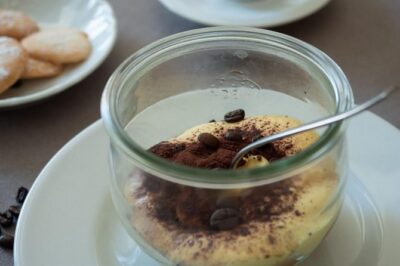
3 in 1 Cooking Class near Navona: Fettuccine, Ravioli & Tiramisu
Read our review →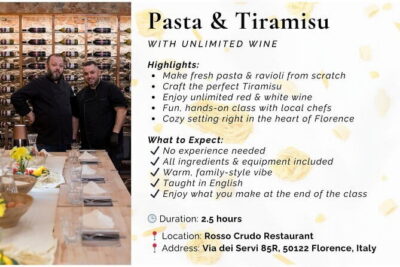
Pasta & Tiramisu Cooking Class with Unlimited Wine
Read our review →
Pasta & Tiramisu Class with Fine Wine by the Vatican
Read our review →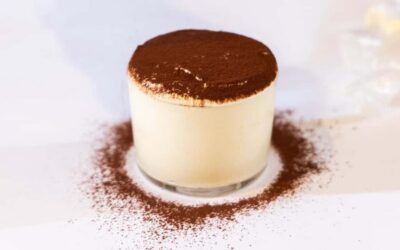
3-in-1 Fettuccine, Ravioli, and Tiramisu Cooking Class
Read our review →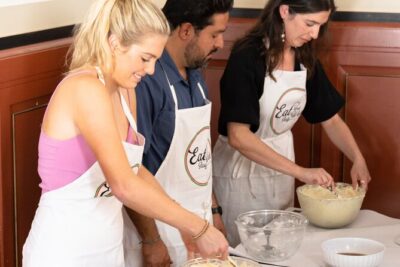
Learn to Make Pasta & Tiramisu with Wine and Limoncello Included
Read our review →
Cooking Class Pasta & Tiramisu Making Unlimited Wine
Read our review →
Become a Masterchef in Rome: Pasta, Ravioli and Tiramisù Class
Read our review →
Fettuccine & Tiramisù: Cooking Class with Wine & Limoncello
Read our review →Browse the lists this class appears in